Choosing a 32140 Tabless Battery Pilot Line supplier involves more than comparing equipment prices. The 32140 cylindrical format and tabless design place specific demands on electrode preparation, winding, welding, assembly, and formation. A pilot line must connect these steps reliably, while leaving room to adjust process settings and test sample cells. Small differences count.
This guide introduces seven suppliers worth evaluating for pilot-scale battery manufacturing. It considers equipment scope, process integration, customization, technical support, and the path from small-batch trials toward larger production. A polished equipment list is not enough. Ask how the supplier handles material changes, line balancing, traceability, and troubleshooting during commissioning. Details matter.
Supplier capabilities can vary, and public information may not answer every technical question. That is a limitation worth acknowledging. Buyers should verify specifications directly, request relevant references, and confirm which services are included in a quotation. Check practical details, too: floor-space requirements, utility connections, operator training, spare parts, and response times. A line that looks suitable on paper may need substantial adaptation once real materials enter the process. No shortlist is perfect. The goal is to identify credible options, clarify trade-offs, and prepare better questions before committing to a pilot line.
A 32140 tabless battery pilot line is a small-scale production setup for developing and testing cylindrical cells measuring about 32 millimeters across and 140 millimeters long. “Tabless” refers to the current-collection design: the electrode edges connect to the terminals along a broader surface, rather than through a few discrete tabs. This can shorten current paths and reduce electrical resistance. Less resistance matters. But performance depends on the full cell design, materials, and manufacturing controls; tabless construction alone guarantees nothing.
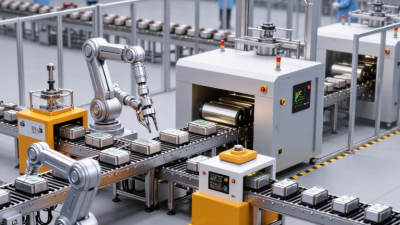
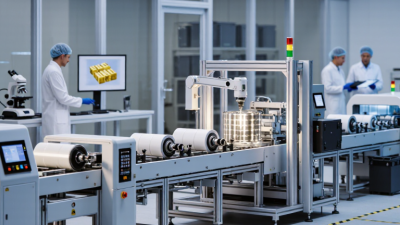
A pilot line typically includes electrode mixing, coating, drying, calendering, slitting, winding, assembly, electrolyte filling, sealing, and formation testing. Engineers use it to tune coating thickness, winding alignment, weld quality, and cell temperature before considering larger-scale production. Small defects show up in practical ways: uneven winding can create inconsistent pressure, while poor coating uniformity may affect capacity. The International Energy Agency’s Global EV Outlook 2024 reports that electric-vehicle battery demand exceeded 750 GWh in 2023, about 40% above 2022. That growth makes scalable processes important, but pilot results do not always transfer cleanly to high-volume factories. A careful line records process settings and checks cell-to-cell variation, not just headline capacity.
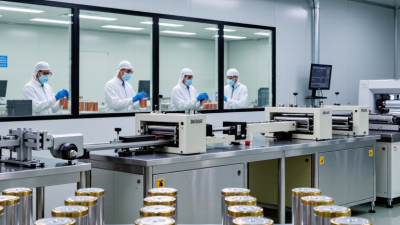
A tabless 32140 battery pilot line tests how a large cylindrical cell can collect current without conventional tabs. The process begins with coated electrode foil, which is dried, compressed, and slit to precise widths. Along each electrode edge, exposed metal remains available for current collection. The line winds these sheets with a separator into a tight cylindrical assembly. Alignment matters. A small offset can create wrinkles or uneven contact.
At the collection stage, the exposed foil edges are shaped and joined to conductive collector plates, often using controlled welding. This creates multiple current paths around the electrode edge instead of relying on one narrow tab. The approach can reduce resistance, but results depend on foil condition, weld consistency, and cell design. It is not automatic.
The pilot line then inserts the assembly into a 32140 can, adds electrolyte, seals the cell, and runs formation and performance tests. Operators monitor winding tension, weld appearance, fill weight, temperature, and voltage response. A clean weld is useful evidence, not proof of long-term reliability. Some trial cells may show uneven resistance or capacity; that is frustrating, but valuable. Pilot data helps teams adjust settings before expanding production, though scale-up can expose problems that a small line missed.
A 32140 tabless cell line needs equipment sized for long, wide electrodes and repeatable cylindrical assembly. Mixing systems must disperse active materials evenly, while coaters control loading and edge alignment across the electrode web. Drying ovens remove solvent; calenders set electrode density. Slitting machines then cut clean edges, since burrs can damage separators or disrupt winding. Small details matter.
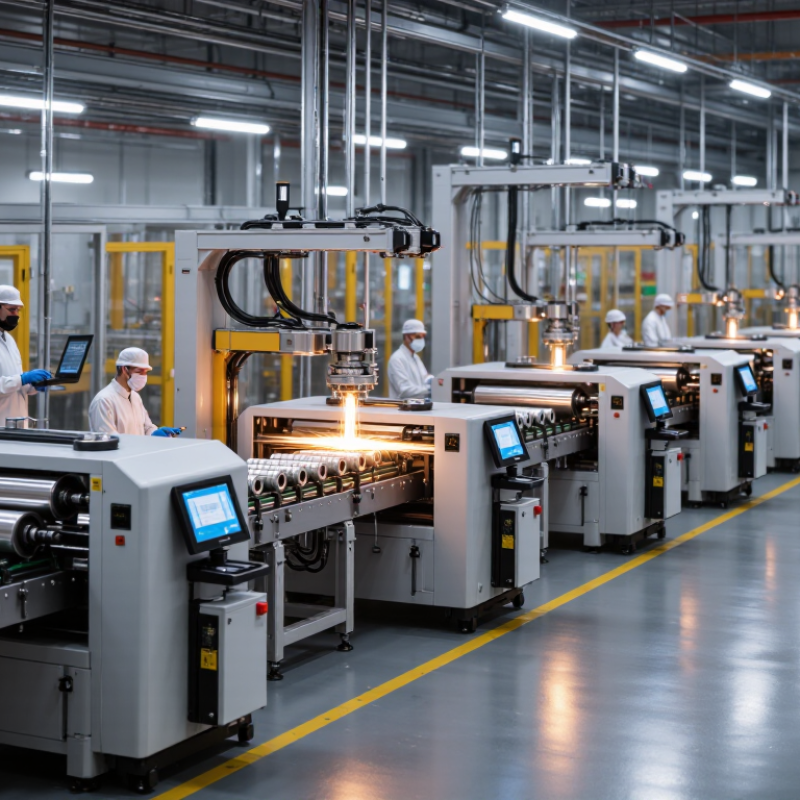
For cylindrical winding, tension control and vision inspection help keep the jelly roll centered and wrinkle-free. Tabless designs also need reliable end-face preparation and welding equipment, often using laser processes. The weld should connect the exposed current-collector edges with consistent strength and limited heat damage. Shell insertion, electrolyte filling, and sealing stations follow. Fill accuracy matters. So does cleanliness.
When comparing pilot-line suppliers, examine how stations connect, not just their individual speed claims. Ask for sample data on alignment, weld quality, leak checks, and process variation. Formation and aging equipment should record voltage, current, temperature, and cycle results for each cell. No line is perfect. A compact layout may simplify handling but leave little room for maintenance, and that trade-off deserves careful review before equipment selection.
Nominal cell dimensions help define the tooling and handling requirements for a 32140 pilot line.
The “32140” format denotes a cylindrical cell approximately 32 mm in diameter and 140 mm in height. Pilot-line equipment—such as winding, tabless current-collector joining, insertion, and formation systems—must be configured for the selected cell design.
When evaluating 32140 tabless battery pilot line suppliers, check whether their equipment matches your intended cell design and production volume. Ask how the line handles electrode coating, slitting, winding, welding, electrolyte filling, and formation. Tabless current collection can demand tight alignment and repeatable joining. Request sample process data, not just equipment specifications. Numbers matter. Compare cycle time, defect definitions, and yield calculations using the same assumptions.
Tips: Visit the facility if possible. Watch a sample run and inspect weld consistency, web tension, and changeover steps. Ask operators how they handle jams and record process deviations. A polished presentation may not reveal everyday bottlenecks. Ask to see it.
Also assess commissioning support, operator training, spare-parts access, and data traceability. Confirm that the supplier can document settings for your cell materials and explain how adjustments affect results. Review safety interlocks and maintenance procedures during a site assessment. Request references from comparable pilot projects, while recognizing that different designs produce different outcomes. No scorecard catches every issue. I would leave time for a small trial; a supplier’s claims can look convincing before the first production shift.
Seven Leading Suppliers of 32140 Tabless Battery Pilot Lines
Choosing a pilot-line supplier means checking process fit, not just machine speed. A 32140 cell needs controlled electrode handling, accurate winding, dependable tabless current collection, and repeatable assembly. A useful shortlist covers seven capabilities: line integration, electrode coating, slitting, precision winding, laser welding, electrolyte filling and formation, and inspection software. Some suppliers offer several steps; others specialize in one. They are not interchangeable.
The International Energy Agency’s Global EV Outlook 2024 reports that EV battery demand reached about 750 GWh in 2023, roughly 40% above 2022. That growth raises the value of reliable scale-up, but it does not prove any pilot line will transfer smoothly to production. Ask suppliers for trial data using your electrode dimensions and cell materials. Check winding alignment, weld consistency, process yield, and changeover time. A polished demonstration is not enough.
Tips: Request a process-flow diagram and raw trial records before comparing quotes. Confirm that inspection tools can trace defects to each station. Test with representative materials, not ideal samples. I would still question impressive speed claims without yield data; that is an easy detail to overlook.
| Supplier Profile | Typical Pilot-Line Scope | 32140 Tabless Process Focus | Key Data to Request | Recommended Acceptance Evidence |
|---|---|---|---|---|
| Electrode Processing Specialist | Slurry mixing, electrode coating, drying, calendering, and slitting equipment. | Controls electrode loading, thickness, density, edge quality, and coating alignment before winding. | Coating-width range, coating-weight tolerance, oven configuration, calender pressure range, and slit-width tolerance. | Coating and thickness-uniformity results using the buyer’s electrode materials and target recipe. |
| Cell Assembly Line Integrator | Integrated electrode handling, winding, cell insertion, welding, and assembly stations. | Coordinates process interfaces for a cylindrical cell format commonly identified as approximately 32 mm in diameter and 140 mm in height. | Supported cell dimensions, line layout, changeover method, station cycle times, and interface requirements. | Run-off using representative electrodes and documented dimensional checks on assembled cells. |
| Precision Winding Equipment Specialist | Electrode feeding, tension control, winding, and winding inspection equipment. | Manages winding alignment and tension for tabless electrode designs, which use continuous collector edges rather than conventional discrete tabs. | Supported electrode width and thickness, tension-control range, winding-core specification, and inspection capability. | Winding samples evaluated for alignment, telescoping, wrinkles, and repeatability against agreed limits. |
| Tabless Current-Collection Equipment Specialist | Collector-edge preparation, end-face joining, and current-collection welding stations. | Develops the joining process used to connect exposed electrode collector edges to the current-collection structure. | Compatible collector materials, welding method, electrode-stack dimensions, monitoring features, and process-window data. | Weld-section inspection and electrical-resistance results from representative tabless assemblies. |
| Electrolyte Filling and Sealing Specialist | Dry-room-compatible filling, wetting, temporary closure, and final sealing equipment. | Supports consistent electrolyte dosing and controlled sealing for the selected cylindrical can and cell design. | Filling method, dose-control capability, chamber requirements, seal method, and compatibility with the specified can. | Documented fill-weight checks, leak-test results, and sealing trials on production-representative cans. |
| Formation and Test Equipment Specialist | Cell charging, discharging, aging, and electrical testing equipment. | Provides controlled formation and evaluation after assembly; test recipes depend on the cell chemistry and design. | Channel configuration, voltage and current ranges, measurement accuracy, temperature control, and data-export format. | Calibration records, channel verification, and sample test reports using the agreed formation protocol. |
| Turnkey Pilot-Line Engineering Specialist | Process planning, equipment integration, line controls, installation, commissioning, and operator training. | Coordinates interfaces across electrode production, tabless winding and joining, filling, sealing, and formation. | Defined scope boundaries, utilities, automation interfaces, safety documentation, acceptance criteria, and service coverage. | Integrated acceptance run, traceable process records, training documentation, and a written punch-list closeout. |
The profiles above describe equipment-supplier categories, not verified rankings or claims about named companies. “32140” commonly denotes a cylindrical format of approximately 32 mm in diameter and 140 mm in height; actual dimensions and tolerances depend on the cell design. Pilot-line capacity, accuracy, and cycle time are not standardized, so request project-specific specifications and validate them against the intended materials, chemistry, and process.