How to Choose an 18650 Battery Pilot Line in 2026?
Choosing an 18650 Battery Pilot Line in 2026 starts with a clear view of what you need to prove. A pilot line is not simply a smaller production factory. It should help your team test cell designs, refine process steps, and collect reliable data before committing to larger-scale equipment.
Begin with the cell format, target output, and intended level of automation. Then check how mixing, coating, calendaring, slitting, winding, assembly, electrolyte filling, sealing, formation, and aging fit together. A mismatch between steps can create bottlenecks, even when individual machines look capable. Small details matter. For example, confirm how recipes are controlled, how samples are tracked, and whether inspection data can be exported for analysis.
In 2026, supplier selection also calls for careful questions about commissioning, operator training, spare parts, and service response. Ask vendors to explain equipment tolerances and demonstrate relevant results, rather than relying only on catalog figures. Review safety provisions with qualified engineers, especially around dry-room operations, electrical systems, and cell testing. Requirements vary by site and application.
There is no universal best configuration. A line designed for frequent experiments may not suit steady, repeatable batches. It is easy to underestimate integration time; that deserves a second look. This guide outlines practical criteria for comparing layouts, capacity, controls, quality checks, and vendor support, so your investment reflects the work your team actually plans to do.

Define the Purpose and Scope of an 18650 Battery Pilot Line
Define the pilot line by the decision it must support: validating an 18650 cell design, proving a manufacturing window, or producing samples for qualification. The IEA’s Global EV Outlook 2024 reports energy-sector battery demand reached about 750 GWh in 2023. It rose 40% from 2022. DOE’s National Blueprint for Lithium Batteries 2021–2030 projected U.S. demand could grow five- to tenfold by 2030, compared with 2020. These reports show why scale-up matters, but they do not define your line’s targets. Keep it measurable.
Set clear boundaries, from electrode preparation and coating through winding, electrolyte filling, sealing, and formation. Specify chemistry, cell design, shifts, annual output, and intended sample quantities. Not just speed. Track yield, capacity spread, internal resistance, moisture, and traceability alongside hourly output. A line that makes many cells but cannot explain variation has missed its purpose. Leave room for process changes; early assumptions are often wrong.
Choose equipment and staffing around the scope, not an impressive headline capacity. A compact line may need flexible tooling and frequent changeovers, while a production-representative line needs tighter process control and repeatable data capture. Define acceptance limits before commissioning, including how failed cells are recorded and investigated. The first scope is rarely perfect. Review it with cell, process, quality, and safety specialists before purchasing equipment.
Set Cell Specifications, Process Steps, and Target Production Capacity
Choose the cell before choosing the machines. Define its chemistry, nominal capacity, voltage range, dimensions, and intended use. Set tolerances for electrode thickness, coating weight, and cell mass. These details shape the line layout. Keep them measurable. If the product range is still uncertain, document that uncertainty rather than designing around one optimistic specification.
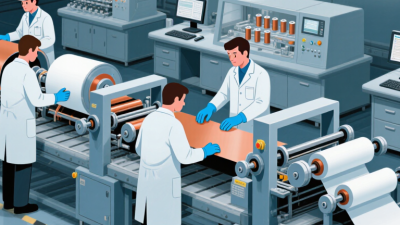
Map each process step, from slurry mixing and electrode coating to drying, calendering, slitting, and winding. Then include assembly, electrolyte filling, sealing, formation, and grading. Decide where operators will take samples and record results. For example, track coating weight by roll and inspect winding alignment before assembly. Small gaps in traceability can become expensive later. Pilot lines also need safe, controlled handling of materials and clear procedures for equipment faults.
Set target capacity in good cells per shift, not just machine speed. Include planned changeovers, maintenance, sampling, and expected yield in the calculation. A line rated for a high hourly output may produce far fewer usable cells during development trials. That matters. Match the mixer, coating width, drying capacity, and formation channels to the same realistic production plan. Recheck the plan when cell dimensions or process settings change; I would not assume early trial data predicts steady production perfectly.
How to Choose an 18650 Battery Pilot Line in 2026?
Example daily output targets for sizing a pilot line. These are planning scenarios, not guaranteed production benchmarks.
Set the cell format and design first—for example, an 18650 cylindrical cell with a chemistry-specific capacity and nominal voltage—then map the process flow: electrode preparation, coating and drying, calendaring, slitting, winding, assembly, electrolyte filling, sealing, formation, aging, and testing. Size equipment and work-in-process around the required good-cell output; formation and aging can require substantial parallel capacity.
Compare Equipment, Automation, and Quality-Control Capabilities
How to Choose an 18650 Battery Pilot Line in 2026?
Compare Equipment, Automation, and Quality-Control Capabilities
An 18650 pilot line should match the product and the team’s production experience. Check each stage: cell loading, grading, assembly, welding, sealing, and final inspection. Ask how operators switch formats and recover from a stopped station. A polished demonstration is useful, but it may not show routine changeovers or minor faults. Small details matter. Review sample welds, alignment, and recorded process data, not just the line’s advertised speed.
Tips: Request a trial using representative cells and materials. Watch a full changeover, then check how the system flags missing or out-of-range measurements. Confirm that key records can be traced to each production batch.
Automation should reduce repetitive handling without hiding problems. Look for clear alarms, accessible maintenance points, and practical operator controls. For quality control, ask how incoming cell checks, weld inspection, insulation testing, and final electrical checks are performed. Confirm which results are stored and how failed units are identified. Requirements vary by cell design and process, so a supplier’s standard inspection list may need adjustment. I would also ask what still requires manual judgment; that answer can reveal gaps a brochure will not. A pilot line is for learning, too, and early measurements may expose process steps that need refinement.
Assess Facility, Safety, and Regulatory Requirements
An 18650 battery pilot line should fit the building, not just the production plan.
Check floor loading, ceiling height, power capacity, and access for emergency services before selecting equipment. Formation and aging racks can occupy more space than expected. Allow room for material movement, inspection, and safe separation between process areas. A dry room may be needed for moisture-sensitive steps, but its humidity limits should follow the chosen process and cell design. Measure conditions at the work area, not only at the room entrance. Small details matter.
Treat safety as a design input. Review hazards from electrical testing, heat, electrolyte handling, and damaged cells with qualified process and fire-safety professionals. Define clear routes to exits, suitable detection and suppression systems, and procedures for isolating suspect cells. Operators need practical training and protective equipment, not just a binder of instructions. Test emergency responses before production begins. They can feel awkward at first. Regulatory requirements vary by location and process, so confirm applicable building, fire, environmental, workplace, and product rules with local authorities and accredited specialists. Keep equipment records, training logs, and test results traceable. A spreadsheet alone can miss what happens during a real shift; observe the line in operation and revise the risk assessment when the process changes.
Evaluate Supplier Support, Total Cost, and Expansion Potential
When choosing an 18650 battery pilot line in 2026, look beyond the equipment list. Ask who supports installation, commissioning, and operator training, and how quickly technical questions receive a response. Request a clear scope for process validation, documentation, and spare parts. A line may run well during a demonstration but behave differently with your materials. That matters.
Compare total cost over several years, not just the purchase price. Include tooling, utilities, consumables, maintenance, training, and production lost during service delays. Ask suppliers to define acceptance criteria, such as agreed throughput and documented process checks. Get these details in writing. A cheaper quote can become expensive if essential fixtures or software support are excluded. I have seen cost comparisons miss small recurring items; it is an easy mistake.
Expansion potential deserves the same scrutiny. Check whether controls, data records, and equipment interfaces can support added stations or higher output later. Ask what changes would require new machines, floor space, or operator training. A modular layout can help, but only if its capacity claims are supported by realistic cycle-time assumptions. Leave room for future growth, while avoiding capacity you cannot use. The right choice balances dependable support, transparent lifetime cost, and practical upgrade paths.

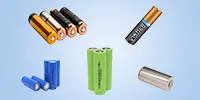 Cylindrical Cell Machine Line
 18650 Battery Pilot Line
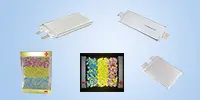 Pouch Cell Lab. Line
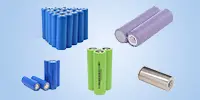 Prismatic Cell Machine Line
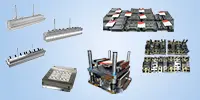 Spare Part



 Phone
 Send Email
 whatsapp
 Facebook
 Youtube