5 Best 18650 Cylindrical Battery Pilot Line Suppliers?
The 18650 Cylindrical Battery Pilot Line has become a practical bridge between laboratory cells and stable mass production. It allows manufacturers to validate electrode recipes, winding tension, tab welding, electrolyte filling, formation, aging, and safety testing before committing to a larger factory. This intermediate stage matters. Small process errors can become expensive quality failures at scale.
The International Energy Agency reported that global battery demand for electric vehicles exceeded 750 GWh in 2023, rising by about 40% year on year. Its Global EV Outlook 2024 also noted that China represented roughly three-quarters of global battery cell manufacturing capacity. These figures show why pilot-line equipment must support repeatable production, data traceability, and flexible product development. The U.S. Department of Energy’s battery manufacturing programs similarly emphasize domestic process capability, quality control, and manufacturing scale-up.
This guide reviews five leading 18650 Cylindrical Battery Pilot Line suppliers through practical criteria. These include equipment integration, process control, commissioning support, cell-testing capability, customization, and after-sales service. A strong supplier should provide more than isolated machines. It should connect slurry mixing, coating, calendaring, slitting, winding, assembly, formation, and inspection into a measurable workflow.
Reality is less tidy. Supplier specifications may use different definitions of pilot capacity, automation, and yield. Some impressive demonstrations lack long-term operating evidence. Buyers should request sample data, reference projects, acceptance-test procedures, and maintenance records. The “best” supplier depends on chemistry, annual output, labor model, and expansion plans. This comparison is therefore a starting point, not a final purchasing decision.
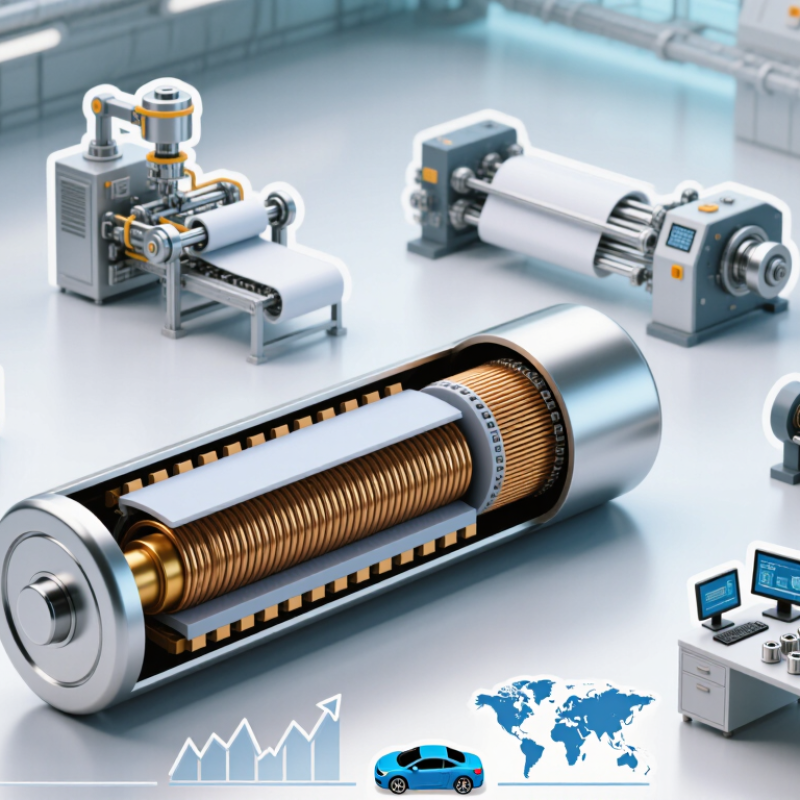
What Is an 18650 Cylindrical Battery Pilot Line?
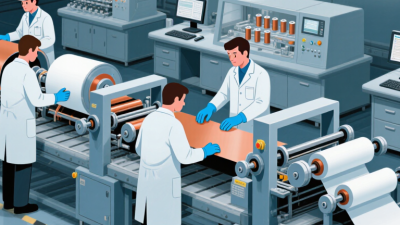
An 18650 cylindrical battery pilot line is a small-scale manufacturing system for developing and validating 18 mm diameter, 65 mm long cells. It connects electrode mixing, coating, drying, calendaring, slitting, winding, welding, electrolyte filling, formation, aging, and testing. The line should reproduce production conditions, not merely assemble laboratory samples.
According to the International Energy Agency’s Global EV Outlook 2024, global electric-vehicle battery demand reached about 750 GWh in 2023. This growth increases pressure to qualify new materials and processes faster. A pilot line helps engineers compare cathode loading, separator performance, winding tension, and formation profiles before factory investment. Typical 18650 cells may deliver roughly 2.5–3.5 Ah, depending on chemistry, design, and operating limits. The number is not universal.
A capable supplier should provide controlled humidity, traceable process data, safety interlocks, and repeatable testing. Equipment should also support relevant battery safety and transport requirements, including IEC 62619 and UN 38.3 evaluations where applicable. Capacity claims need careful checking. Some pilot lines advertise several megawatt-hours annually, but actual output depends on yield, batch size, and formation time. A pilot line is not simply a smaller factory. That description is convenient, but incomplete. In practice, its greatest value is revealing weak points before scale-up, sometimes expensively. A supplier’s technical support, spare-parts plan, and process documentation can matter as much as machine speed.
Core Equipment and Capabilities Offered by Each Supplier
5 Best 18650 Cylindrical Battery Pilot Line Suppliers?
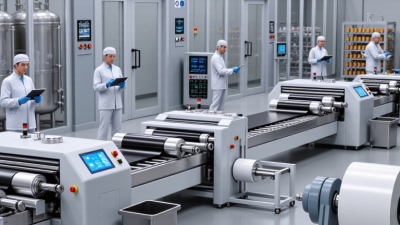
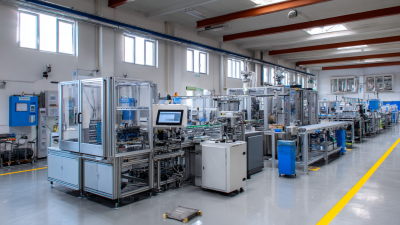
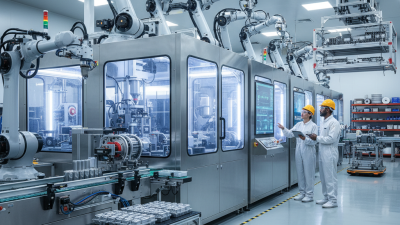
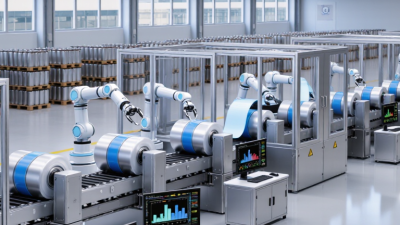
The best pilot line suppliers offer more than individual machines. They design a connected process for testing 18650 cylindrical cells. A strong supplier should provide slurry mixers, coating units, drying ovens, calendaring machines, and precision slitters. These systems control electrode thickness and reduce material waste. Suppliers with winding and tab-welding equipment support stable jelly-roll assembly. Their machines should handle narrow electrode widths and repeatable tension.
Some suppliers add electrolyte filling, vacuum sealing, formation, aging, and grading equipment. Others provide dry-room integration, process software, and data tracking. Reliable suppliers also offer incoming inspection tools, thickness gauges, resistance testers, and safety systems. Ask whether engineers have installed pilot lines before. Practical experience often matters more than an impressive equipment list. A supplier may claim full-line capability, yet outsource critical modules. That detail deserves careful verification.
Tips: Request sample cell data, not only brochures. Check coating uniformity, winding alignment, and formation consistency. Visit a working pilot line if possible. Confirm spare-parts availability and operator training. Small pilot lines still need strong ventilation and moisture control. Do not ignore software compatibility. An imperfect first design is common, but unclear responsibilities create expensive delays. Define performance targets, acceptance tests, and commissioning support in writing. Judge suppliers by measurable results, responsive service, and honest limits.
5 Best 18650 Cylindrical Battery Pilot Line Suppliers: Core Equipment Coverage
Comparative capability scores based on the six core stages commonly required for an 18650 pilot line: electrode mixing, coating, calendaring, slitting, winding, and formation/testing. A score of 6 indicates coverage of all six stages.
The chart is a normalized equipment-coverage comparison for supplier screening. Final procurement decisions should verify throughput, cell chemistry compatibility, automation level, safety systems, and after-sales support.
How to Select the Right Supplier for Your Battery Project
5 Best 18650 Cylindrical Battery Pilot Line Suppliers?
How to Select the Right Supplier for Your Battery Project
The five best supplier profiles usually share more than attractive equipment prices. They understand electrode preparation, cell assembly, formation, testing, and production traceability. Ask each supplier for a complete process map, not only a machine catalogue. A strong partner should explain how slurry viscosity affects coating quality and how winding tension influences cell alignment. Request sample data from comparable 18650 projects. Numbers matter. Check capacity accuracy, yield records, equipment uptime, and measurement methods. A supplier with pilot-line experience should also identify integration risks before installation. If every answer sounds perfect, look closer.
Tips: Visit the factory if possible. Watch an operator change a roll, calibrate a tester, and respond to an alarm. Ask for the actual training plan, spare-parts list, and remote-support limits. Clarify whether software updates affect validated processes. Small details often reveal practical reliability.
Your selection should match your development stage. A research team may need flexible, modular equipment. A scale-up project may require automated material handling and stronger data systems. Confirm compatibility with your electrode dimensions, chemistry, dry-room conditions, and testing standards. Safety controls must be documented and independently reviewed. Do not judge suppliers by speed alone. A fast delivery can hide weak commissioning support. I have seen teams underestimate installation space and utility demands. That mistake is expensive, but preventable. Require acceptance tests, operator training, maintenance procedures, and clear performance criteria before signing.

 Cylindrical Cell Machine Line
 18650 Battery Pilot Line
 Pouch Cell Lab. Line
 Prismatic Cell Machine Line
 Spare Part

 Phone
 Send Email
 whatsapp
 Facebook
 Youtube