How to Choose a 26650 Cylindrical Battery Pilot Line
Choosing a 26650 Cylindrical Battery Pilot Line is not simply a matter of comparing machine prices. The line must connect electrode preparation, cell assembly, electrolyte filling, formation, and testing in a controlled, traceable flow. A clean process map helps reveal where material handling or long changeovers could quietly reduce output.
Battery researcher Jeff Dahn is known for emphasizing durable, repeatable cell performance. A practical paraphrase of that lesson is: “A good cell must perform consistently, not just once.” This is a paraphrase, not a verified verbatim quotation. For a pilot line, that principle means checking capacity variation, coating consistency, winding alignment, and formation data across repeated batches. Small differences matter. A few uneven coatings can become visible in test results.
Before choosing equipment, define the intended cell design, target daily output, and learning goals. Ask suppliers for realistic cycle times, expected yield assumptions, process tolerances, and service plans. Inspect how samples move between stations; a crowded transfer point can slow operators and complicate traceability. Also confirm that measurement systems capture the data engineers need, rather than producing attractive dashboards with gaps.
The best line is not always the largest. It is the one that supports useful experiments and stable production learning. There is a caveat: pilot results do not guarantee commercial-scale performance. That uncertainty deserves attention, even when the equipment proposal looks polished. A careful selection balances flexibility, repeatability, safety controls, and room for future process changes.

Understanding the Purpose of a 26650 Battery Pilot Line
Understanding its purpose starts with a distinction: a pilot line is a process-learning tool, not merely a miniature factory. It lets engineers test whether mixing, coating, drying, calendaring, winding, filling, and formation work together under repeatable conditions. A 26650 cell is about 26 mm wide and 65 mm tall, though its internal design can vary. Small changes matter. Coating thickness, electrode alignment, and formation time can affect capacity, resistance, yield, and safety results.
The International Energy Agency’s Global EV Outlook 2024 reports 750 GWh of energy-sector battery demand in 2023. Demand rose 40% from 2022. This growth makes process validation commercially important, but it does not prove that one pilot recipe will scale unchanged. Pilot data should reveal batch-to-batch variability, not just showcase one good cell. Some uncertainty remains.
Tips: Set target capacity, chemistry, and acceptable yield before selecting equipment. Request logged measurements for coating uniformity, moisture, cell mass, and formation curves. Use enough samples to expose variation; a handful of attractive cells can mislead.
Defining Cell Specifications and Target Production Capacity
A 26650 pilot line should begin with a written cell specification, not a machine list.
Start with the cell. Record the intended chemistry, nominal voltage, capacity range, electrode dimensions, can dimensions, terminal layout, and safety limits. Confirm whether 26650 refers to the required finished-cell size, since actual dimensions and tolerances must be checked against the design. Define charge and discharge rates, formation conditions, and the tests used to accept or reject each cell. Small details matter. A terminal position or coating-width change can affect tooling, inspection, and assembly. It is tempting to select a headline capacity early, but that may narrow design choices before test data exists.
Set production capacity in accepted cells per shift or day, not just machine speed.
Include planned operating hours, changeovers, maintenance, sampling, and expected scrap. For example, a target of 500 qualified cells per day requires more than a station rated for 500 cycles; several process stages may become bottlenecks. Pilot data will disagree. Measure cycle times and first-pass yield at each stage, then revise the capacity model. Also decide the batch size and how many cells must be available for formation, aging, and evaluation. Some estimates will be rough at first. Mark assumptions clearly, so later results can replace them rather than quietly becoming “facts.”
Mapping the Manufacturing Process and Required Equipment
A 26650 pilot line should be planned around the complete manufacturing route, not a single machine. The cell’s nominal 26-by-65-millimeter format affects winding, casing, and handling choices. Start with the material route. Typical stages include electrode mixing, coating, drying, calendering, slitting, and winding. Select equipment that can hold consistent coating thickness and electrode alignment at the intended pilot scale. Small variations matter.
After winding, the process generally moves through insertion into the cylindrical can, welding, electrolyte filling, sealing, and formation. Relevant equipment may include winding and tab-welding stations, filling and crimping machines, formation channels, and inspection tools. Dry-room capacity is a practical constraint, not an accessory. Include ventilation, solvent management, and safeguards suited to the materials and process. Keep records visible.
Before specifying line speed, define the cell design, target output, and how often recipes may change. A flexible pilot line can make trials easier, but extra flexibility may add setup time and complexity. In practice, the neat process map rarely survives the first trial unchanged. That is worth admitting. Reserve space for sampling, rework, and measurement, including checks for dimensions, weld quality, leakage, and electrical performance. Pilot data is only useful when process settings and test results are traceable.
Evaluating Suppliers, Automation, and Quality Controls
A 26650 pilot line should be judged by how well its suppliers support repeatable trials, not by a polished factory tour.
The IEA’s Global EV Outlook 2024 reports that EV battery demand exceeded 750 GWh in 2023, about 40% above 2022. That growth makes reliable scale-up important, but a pilot line has different needs. Ask suppliers for trial data using your electrode materials, plus spare-parts lead times and operator training plans. Confirm that winding, tab welding, electrolyte filling, and formation equipment can handle your target cell design. Automation should reduce handling variation without making changeovers painfully slow.
Quality controls need to follow the cell through each stage. Check coating thickness and moisture, winding alignment, weld strength, fill mass, sealing, and post-formation voltage and impedance. Require lot-level traceability from electrode rolls to finished cells. A neat acceptance test can hide drift; I would request repeated runs and review the raw results. Pilot data is limited, and should not be mistaken for proof of mass-production yield.
Tips: Bring sample electrodes and define acceptance limits before supplier visits. Ask to see calibration records and actual defect logs, not only dashboard screenshots. Leave room for adjustment; early process settings rarely stay perfect.
Validating Pilot Results Before Scaling Production
A 26650 cylindrical battery pilot line should be judged by repeatable results, not one impressive batch. Record electrode coating weight, dimensions, moisture readings, and cell mass for each run. Keep the measurement method consistent. Small changes in drying or winding tension can affect later performance, even when the cells look identical.
Pilot data can look tidy while hiding variation between shifts or equipment settings. Compare samples from different positions in the run, then track capacity, voltage consistency, and internal resistance after formation. Not just averages. Review the spread, too. A few unusually strong cells can disguise a weak process window. Cycle testing also needs defined conditions, such as temperature, current, and cut-off voltage, so results remain comparable.
Before increasing output, repeat the pilot under normal operating conditions and preserve batch records. Check whether defects cluster around a station, operator, or time of day. That detail matters. If results drift, pause and investigate rather than adjusting several settings at once. I would be cautious about declaring success from a short test alone; some failure patterns appear later. A validated pilot should show stable measurements, traceable materials, and clear limits for acceptable variation.

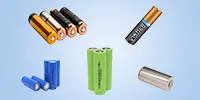 Cylindrical Cell Machine Line
 18650 Battery Pilot Line
 Pouch Cell Lab. Line
 Prismatic Cell Machine Line
 Spare Part





 Phone
 Send Email
 whatsapp
 Facebook
 Youtube