2026 How to Set Up a 18650 Cylindrical Battery Pilot Line?
Setting up a 18650 Cylindrical Battery Pilot Line can be a complex yet rewarding endeavor. According to Dr. Emily Chen, an expert in battery technology, “A well-structured pilot line is indispensable for success in battery innovation.” Dr. Chen emphasizes the importance of careful planning and execution.
The 18650 cylindrical battery format has garnered significant attention in recent years. Its versatility makes it popular for electric vehicles and portable electronics. Establishing a pilot line involves sourcing high-quality materials, selecting the right equipment, and adhering to rigorous safety standards. Each step is crucial to ensure optimal performance.
Without proper guidance, mistakes can occur. Common errors include improper cell assembly or inadequate quality control. A pilot line's success largely hinges on monitoring processes closely. Reflecting on past projects can help identify pitfalls. Building a robust 18650 Cylindrical Battery Pilot Line requires both expertise and vigilance.

Understanding the Basics of 18650 Cylindrical Batteries
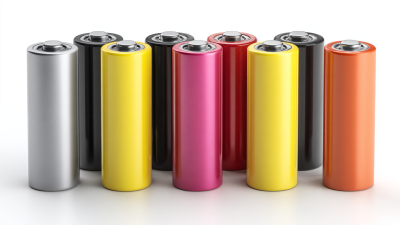
18650 cylindrical batteries are widely recognized in various applications, from electric vehicles to portable electronics. Understanding their structure and functionality is essential for anyone involved in battery manufacturing. The "18650" designation refers to the dimensions of the battery: 18mm in diameter and 65mm in length. These batteries are typically lithium-ion, offering high energy density and efficient discharge rates.
A key aspect of 18650 batteries is the chemistry used inside. Common choices include lithium nickel manganese cobalt oxide (NMC) and lithium iron phosphate (LFP). Each type has its pros and cons. For instance, NMC batteries provide better energy density but can be more expensive. LFP batteries are safer and longer-lasting but have lower energy density. This decision impacts production costs and performance.
Setting up a pilot line for these batteries involves several challenges. Sourcing quality materials is critical but can be tricky. Additionally, maintaining consistent quality in production is not always easy. Every stage, from electrode production to cell assembly, requires precision. A small error can lead to big issues later. Proper training for staff is vital. Reflection on this process can help identify weak points and enhance overall reliability.
2026 How to Set Up a 18650 Cylindrical Battery Pilot Line? - Understanding the Basics of 18650 Cylindrical Batteries
| Parameter |
Value |
Unit |
| Nominal Voltage |
3.7 |
V |
| Capacity |
2500 |
mAh |
| Max Charge Current |
2.5 |
A |
| Max Discharge Current |
10 |
A |
| Weight |
45 |
g |
| Dimensions |
18 x 65 |
mm |
| Cycle Life |
500 |
cycles |
Key Components Required for a Pilot Line Setup
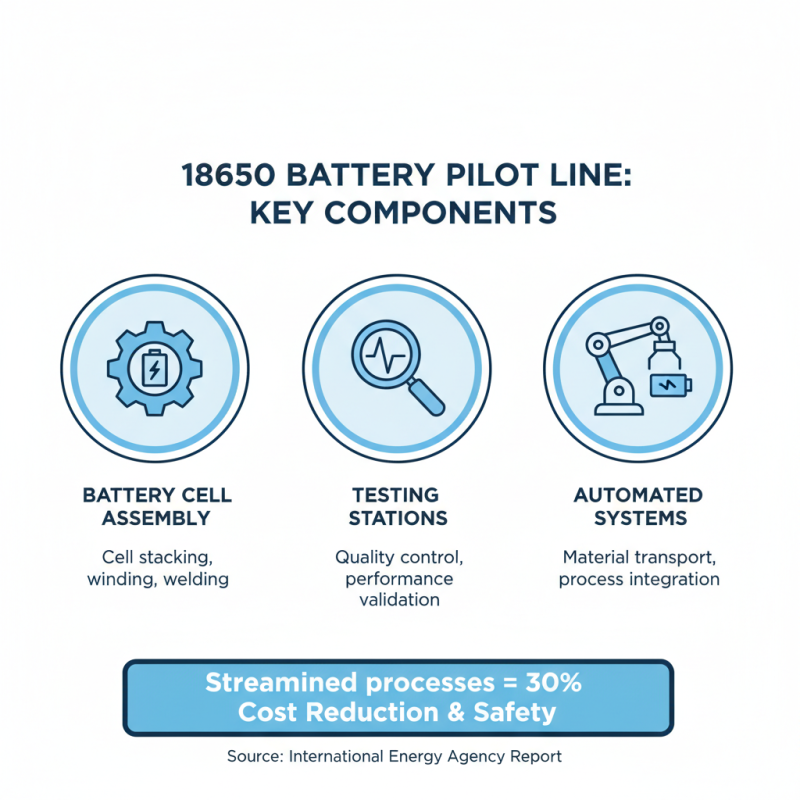
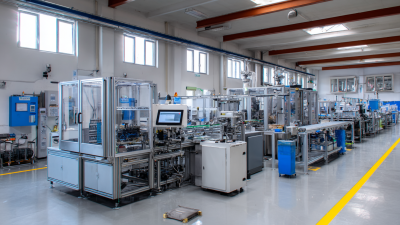
Setting up a pilot line for 18650 cylindrical batteries requires a careful selection of key components. Essential equipment includes battery cell assembly machines, testing stations, and automated handling systems. Each component plays a crucial role in ensuring efficiency and quality. For instance, a report from the International Energy Agency indicates that streamlined manufacturing processes are vital. They can reduce production costs by up to 30% while maintaining safety standards.
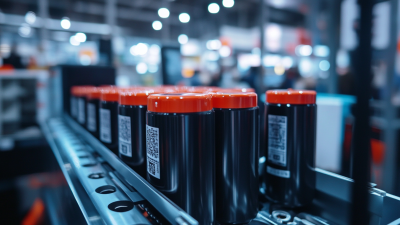
Battery cell assembly machines typically involve high-speed pick-and-place robots. These machines can assemble battery cells within a few seconds. An effective testing station is crucial and should include performance assessment tools and thermal imaging. Unfortunately, many setups overlook proper testing protocols. A reliable testing system can prevent quality issues. Data suggests that up to 10% of produced cells might fail if not rigorously tested.
Automated handling systems improve workflow but require thoughtful design. If components are not aligned properly, it can lead to bottlenecks. Some pilot lines also struggle with maintaining consistent quality. Variability in raw materials can impact end-product reliability. Hence, careful sourcing and quality control are necessary for success in this complex landscape.
Step-by-Step Guide to Designing the Battery Production Flow
Setting up a pilot line for 18650 cylindrical batteries demands careful planning and execution. The battery production flow must be optimized for efficiency and quality. According to a recent market report, the global lithium-ion battery market is projected to reach $129.3 billion by 2027, reflecting the growing demand for reliable battery solutions.
To start, define the key components of the production line. This includes electrode preparation, cell assembly, and testing stages. Each segment requires specialized equipment. Choosing the right machinery can be a challenge. Many manufacturers report that equipment selection can significantly impact production rates and yield quality.
Tips: Ensure that you regularly review your equipment performance. Small adjustments could lead to substantial improvements in efficiency.
Next, focus on implementing Quality Control (QC) measures throughout the production process. Consistency is vital. Data shows that a robust QC program can reduce defects by up to 40%. Monitor parameters like temperature and humidity consistently during manufacturing. These factors can drastically influence battery performance.
Tips: Document operational data meticulously. Reflecting on this data helps identify potential issues before they escalate.
Investing in staff training is equally crucial. Well-trained personnel are key to achieving production goals. However, fostering a culture of continuous improvement can sometimes be overlooked. Regularly scheduled workshops and training sessions can enhance worker efficiency and safety.
Tips: Encourage feedback from operators. Their insights can help refine processes to improve productivity.
Quality Control Measures for 18650 Battery Manufacturing
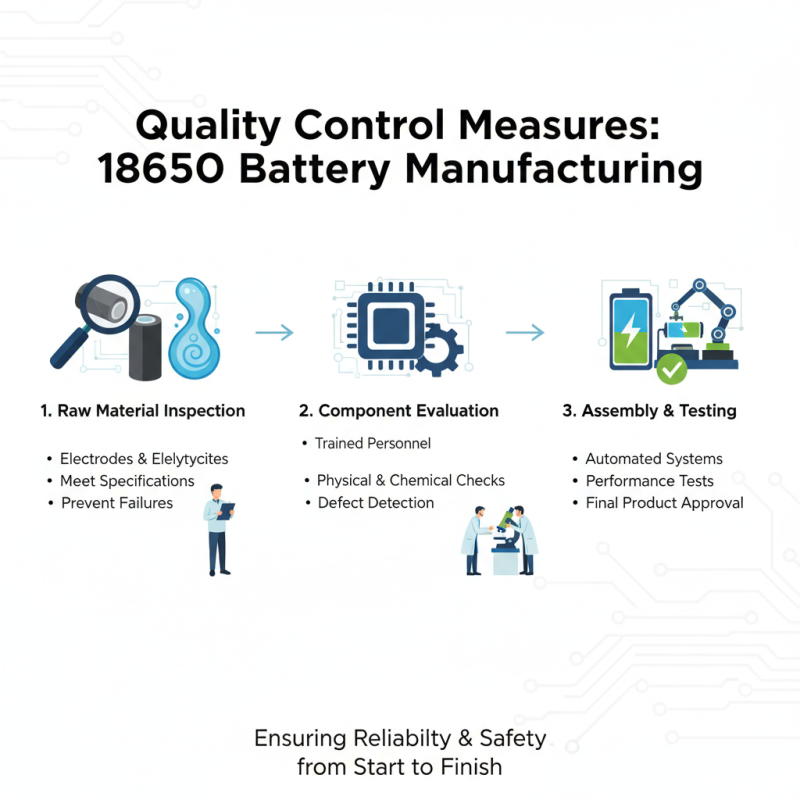
Quality control is crucial in 18650 battery manufacturing. The process starts with raw material inspection. Each component must meet specified standards. Defects in materials can lead to battery failures. Trained personnel should conduct these evaluations. They assess the quality of electrodes and electrolytes extensively.
During production, regular monitoring is essential. Operators can use statistical process control (SPC) methods. This helps in identifying variations in manufacturing processes. Uneven coatings or irregular cell shapes can occur. Inspecting visual aspects is vital, as even minor flaws can impact performance.
Testing plays a significant role. Each battery cell should undergo rigorous testing before packaging. Cycle life, capacity, and thermal performance tests are necessary. Moreover, continuous improvement processes should be implemented, with teams reviewing test results. If issues arise, adjustments in the production line may be needed. The goal is not just to meet standards but to exceed them, pushing the boundaries of quality in battery technology.
Future Trends in 18650 Battery Production Technology
The future of 18650 battery production technology is rapidly evolving. This cylindrical battery format is essential in many applications, especially in electric vehicles and energy storage systems. Advances in materials and manufacturing processes will shape the next generation of these batteries. They may feature enhanced energy densities, improved cycle life, and faster charging capabilities.
New cathode and anode materials are being explored to maximize performance. Innovations like silicon-based anodes could replace traditional graphite. These materials promise a significant capacity increase but come with challenges like stability and cost-effectiveness. Production lines must adapt to incorporate these new technologies.
Automation is also a growing trend in battery production. Automated quality control systems can increase efficiency and reduce human error. However, integration may not be seamless. Existing processes may require significant adjustments. There will be a learning curve for personnel in adopting these new practices. Balancing innovation with practicality will be crucial as the industry progresses.
2026 Trends in 18650 Battery Production

 Cylindrical Cell Machine Line
  18650 Battery Pilot Line
  Pouch Cell Lab. Line
  Prismatic Cell Machine Line
  Spare Part



 Phone
Phone Send Email
 whatsapp
 Facebook
 Youtube