Top Tips for Optimizing Your Coin Cell R&D Line Processes?
Optimizing your Coin Cell R&D Line can significantly enhance efficiency and product quality. This area of research is vital for developing next-generation batteries. Many companies face challenges in streamlining their processes. Common issues include inconsistent production rates and quality control problems. These gaps can lead to wasted resources and increased costs.
Focusing on best practices is essential. Implementing advanced monitoring systems can help track each stage of the production process. Additionally, regular employee training ensures everyone understands the latest techniques. Recognizing areas for improvement is crucial. Some teams may overlook minor adjustments that can yield substantial benefits.
Engaging with industry experts offers valuable insights. Their experience can guide your team in addressing specific challenges. Continuous evaluation of your Coin Cell R&D Line is necessary. By reflecting on your processes, you can uncover hidden opportunities for optimization. Prioritizing these actions can result in a more efficient and reliable production line.
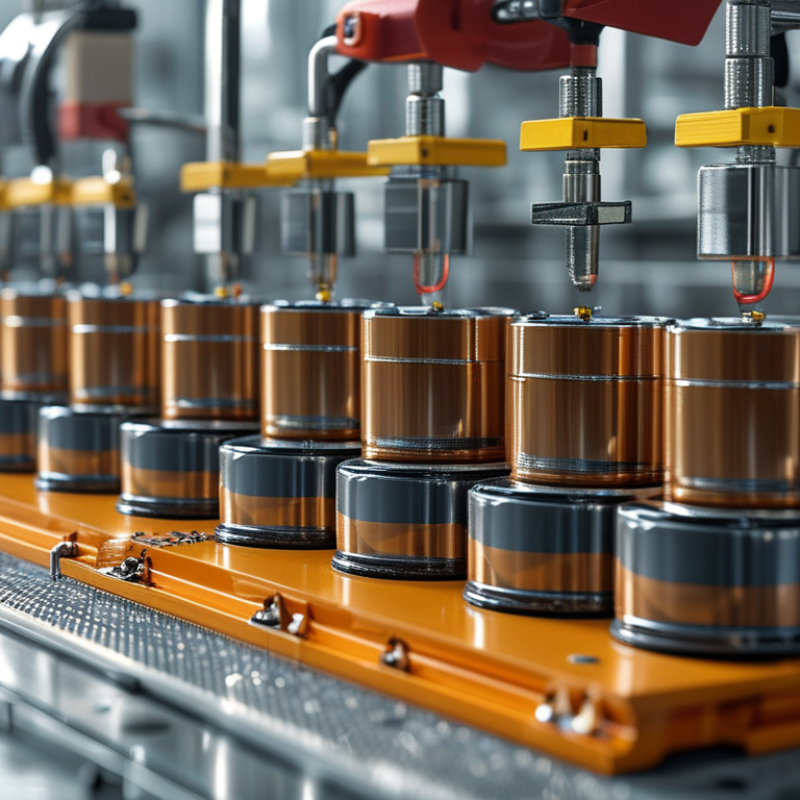
Understanding the Importance of Coin Cell R&D Line Optimization
The significance of optimizing coin cell R&D line processes cannot be overstated. According to a report by ResearchAndMarkets, the global coin cell market is projected to grow at a CAGR of 7.8% from 2021 to 2026. This impressive growth highlights the pressing need for manufacturers to streamline these processes. Efficiency directly influences production costs and product quality. Inefficiencies may lead to increased scrap rates, which can negatively affect the overall yield.
Many organizations often overlook the importance of data analytics in optimizing R&D. Utilizing advanced analytics can uncover bottlenecks in the production line. For instance, a study by TechValidate indicates that companies leveraging real-time data can reduce cycle times by 15-20%. Tracking metrics such as lead times and failure rates provides insights into areas needing improvement. Failing to do so could result in missed opportunities for innovation and market responsiveness.
Moreover, quality assurance in the coin cell manufacturing process is critical. With stringent industry standards, a lack of quality checks can lead to product recalls. The International Electrotechnical Commission outlines specific testing parameters for reliability. Integrating these protocols into R&D processes ensures higher reliability and customer trust. Yet, many companies still grapple with inconsistencies, indicating a critical area for improvement in the optimization journey.
Identifying Key Process Areas for Improvement in Coin Cell Production
Coin cell production is a complex process that demands meticulous attention to detail. Identifying key areas for improvement is crucial to enhance efficiency. One significant area is the electrode fabrication stage. It often suffers from inconsistencies in thickness, which can affect performance. Regular calibration of coating equipment and strict monitoring of raw material properties can address this issue.
Another critical aspect is the assembly process. Misalignment during assembly can lead to defective cells. Utilizing advanced imaging technology can detect such misalignments in real-time. Additionally, training staff to recognize common issues can foster a culture of quality. It’s important not to overlook maintenance schedules for assembly machines. Downtime due to unexpected breakdowns can derail production.
Lastly, testing protocols often reveal areas in need of refinement. While it’s essential to ensure thorough testing for every batch, it may lead to bottlenecks. Optimizing testing parameters and exploring automated testing solutions can enhance throughput. Additionally, feedback loops from testing can help teams identify recurrent issues early. Continuous reflection on these processes will foster a more robust production line.
Implementing Lean Manufacturing Techniques in R&D Processes
Implementing lean manufacturing techniques in coin cell R&D processes can streamline operations. Focus on minimizing waste while maximizing productivity. This means making small adjustments in daily tasks. Evaluate each stage in your workflow. Identify steps that add little value to the final product. Create a culture of continuous improvement, where team members contribute ideas.
Good communication is vital. Encourage open discussions about challenges faced during R&D. This fosters a collaborative environment. Use visual management tools to track progress and bottlenecks. Keep everyone informed about changes and expectations. Consider regular feedback sessions. They can surface potential inefficiencies early.
It is important to acknowledge that not all initiatives will yield immediate results. Sometimes, the changes made can lead to unexpected issues. Stay flexible and ready to adapt strategies based on feedback. Encourage teams to reflect on what works and what doesn’t. This iterative approach will help refine processes and ultimately drive innovation.
Utilizing Data Analytics to Enhance R&D Efficiency and Quality
In the realm of coin cell research and development, data analytics emerges as a powerful ally. Integrating analytics into R&D processes can lead to enhanced efficiency and improved quality. Research teams can examine historical data to identify trends and inefficiencies. This empowers them to make data-driven decisions that directly impact manufacturing workflows.
Utilizing predictive analytics can help foresee potential obstacles. A well-structured data framework allows for real-time tracking of production quality. This is crucial in minimizing defects. Employees can access dashboards that highlight key performance indicators. However, data overload can be overwhelming. Teams should focus on specific metrics that drive meaningful change without getting lost in a sea of numbers.
Collaboration between data analysts and engineers is vital. Open communication ensures that insights are actionable and relevant. Teams often face difficulties in interpreting data correctly. Regular training and workshops could alleviate this hurdle. Fostering a culture of continuous learning can bolster innovation and efficiency within the R&D line. As organizations strive to optimize their processes, embracing data analytics will be central to their success.
Best Practices for Continuous Improvement in Coin Cell Development Processes
Continuous improvement in coin cell development is crucial for enhancing efficiency and performance. A recent study indicated that advanced automation can reduce production time by up to 30%. Streamlining processes minimizes waste and boosts output quality. Implementing real-time monitoring systems can identify bottlenecks quickly, allowing teams to address issues promptly.
Training staff in best practices is essential. Research shows that skilled workers make fewer errors, directly impacting product reliability. Incorporating lean manufacturing principles encourages a culture of continuous improvement. Engaging employees in problem-solving fosters innovation. Addressing inefficiencies must be ongoing, not a one-time task.
A focus on material quality is vital. Low-grade materials can lead to failures, causing costly recalls. Ensuring supplier reliability is necessary for maintaining high standards. Regular audits can help identify weak points in the supply chain. This vigilance can enhance the overall quality of the final product.

 Cylindrical Cell Machine Line
  18650 Battery Pilot Line
  Pouch Cell Lab. Line
  Prismatic Cell Machine Line
  Spare Part






 Phone
Phone Send Email
 whatsapp
 Facebook
 Youtube