The development and optimization of a Coin Cell R&D Line is crucial in today's fast-paced battery industry. According to a recent market report by Allied Market Research, the global coin cell battery market is projected to reach $6.78 billion by 2030. This rapid growth emphasizes the need for innovative approaches in research and development.
Ensuring efficiency in your Coin Cell R&D Line not only enhances productivity but also cuts costs. Industry experts suggest that companies with optimized R&D processes can reduce development time by up to 30%. This is pivotal as the demand for high-performance batteries increases in consumer electronics and electric vehicles.
However, challenges remain in achieving optimal performance. Many businesses overlook the significance of material selection and testing protocols. Investing in training for engineers and adopting best practices can yield long-term benefits. The path to success is not without its flaws; reflection on current practices is essential. Recognizing these imperfections can pave the way for breakthroughs in battery technology.
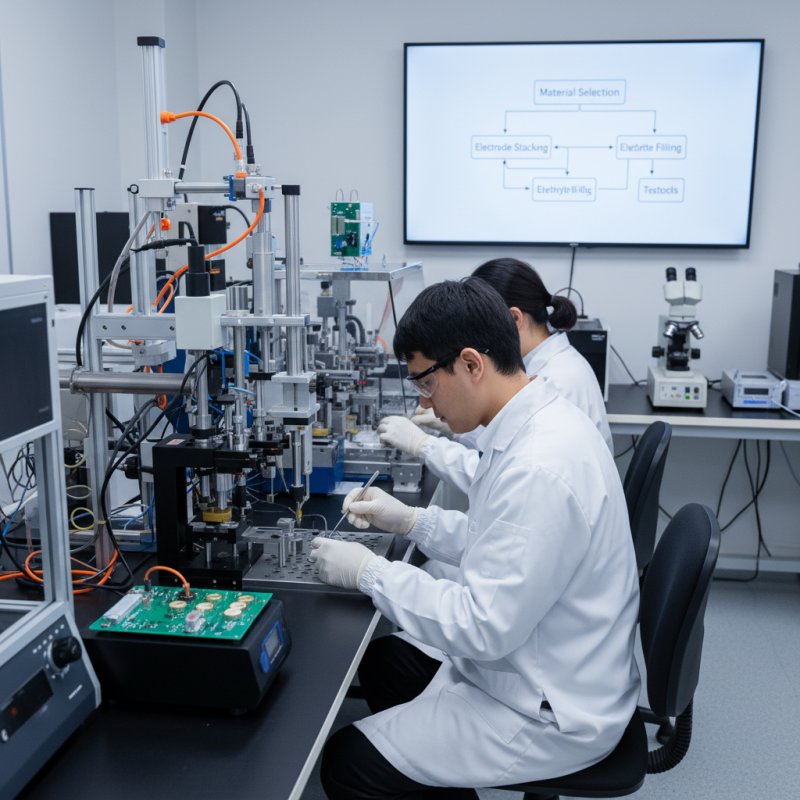
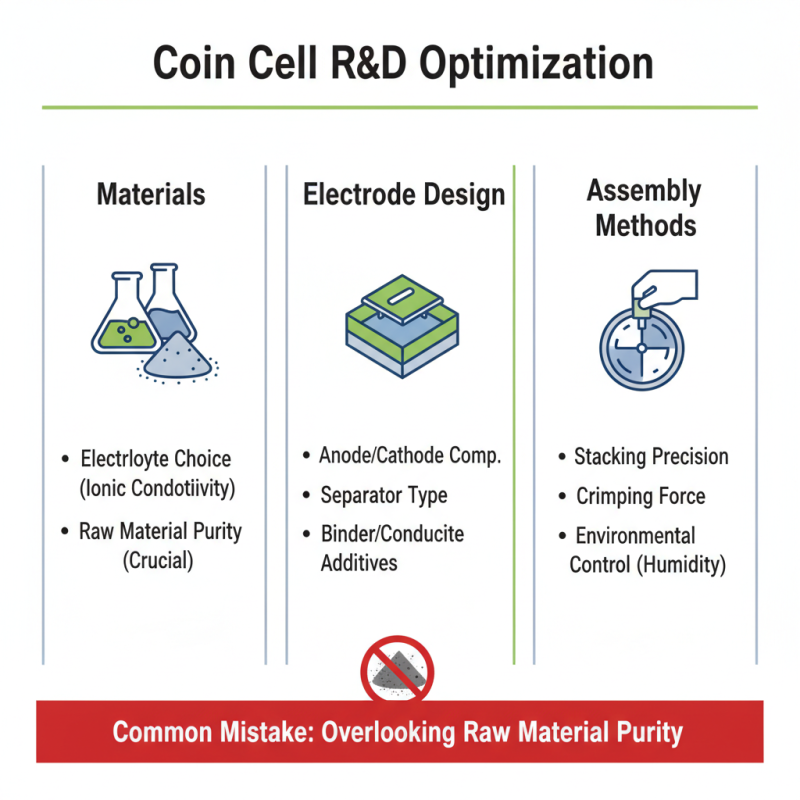
When optimizing coin cell R&D lines, identifying key parameters is crucial. Focus on materials, electrode design, and assembly methods. Each aspect significantly influences the overall performance. For instance, selecting the right electrolyte can enhance ionic conductivity. However, common mistakes occur here. Researchers often overlook the importance of purity in raw materials.
Another key parameter is the electrode thickness. Thinner electrodes may boost energy density but can compromise cycle life. This balance requires careful experimentation. Testing different configurations helps find the optimal design. Yet, it's not always clear-cut. Sometimes, unexpected results arise, prompting a reevaluation of assumptions made during the initial phases.
Data analysis is also essential. Track performance metrics diligently. Record everything, even minor variations in processes. Anomalies can provide insights into underlying issues. Encourage open discussions about findings within your team. Reflecting on setbacks and successes fosters a culture of continuous improvement. In R&D, adaptability is your friend. It is often through challenges that true innovation emerges.

Streamlining material selection is critical for enhancing coin cell performance. Recently, research from the Battery Innovation Center highlighted that a 10% improvement in cathode material can increase overall energy density by 15%. Selecting the right materials directly impacts capacity, lifespan, and charging speeds.
Tip one: Evaluate supplier reliability. A consistent supply chain can minimize delays in R&D processes. Investigating the track record of material suppliers is necessary.
Another key factor is the electrolyte choice. Various electrolytes can alter the thermal stability and safety of coin cells. Certain compositions enhance ionic conductivity but may create risks. A balance between performance and safety must be achieved.
Tip two: Conduct thorough testing before full-scale production. It’s essential to identify potential failures early, as 30% of prototype batteries often underperform in real-world conditions. This can save resources and refine material selection further.
Finally, remain adaptable. What works well today might not be suitable tomorrow. Emerging materials, such as solid-state electrolytes, are gaining attention. Their integration may significantly influence future coin cell designs. Staying updated on emerging trends can provide a competitive edge.
Implementing effective testing and quality control protocols is crucial in coin cell R&D. First, develop a structured testing framework. This includes defining specific metrics for battery performance and safety. Regularly evaluate parameters like capacity, voltage, and internal resistance. These factors can significantly impact overall performance.
Quality control is not just about passing tests; it’s about continuous improvement. Establish routine audits of production processes. These help identify weaknesses early. For instance, inconsistent material quality may lead to failures. Document all findings meticulously. This provides valuable data to drive future innovations.
Consider the importance of employee training. Equip your team with the latest techniques in battery testing and analysis. A knowledgeable workforce is essential. However, remember that mistakes can happen. Foster an environment that encourages reporting errors without fear. Reflection on these missteps can lead to better practices and enhanced product reliability.
Data analytics has become a cornerstone in optimizing coin cell research and development. By analyzing production data, teams can identify inefficiencies in their processes. This approach reveals patterns that manual inspections might miss. For instance, variations in temperature or humidity during manufacturing can impact cell performance. Monitoring these factors in real time allows for quick adjustments and improves overall product consistency.
Integrating predictive analytics also enhances decision-making. By utilizing historical data, R&D teams can forecast potential failures. This foresight empowers engineers to test different formulations or manufacturing methods before problems arise. Yet, implementing data-driven strategies presents challenges. Many teams struggle with data integration across various platforms. Training personnel to leverage analytics tools can also feel daunting. Therefore, fostering a culture of continuous improvement is vital. Engaging every member in the data process can lead to significant breakthroughs.
This chart illustrates key optimization metrics for the coin cell research and development process, showcasing the dimensions that significantly impact performance and efficiency.
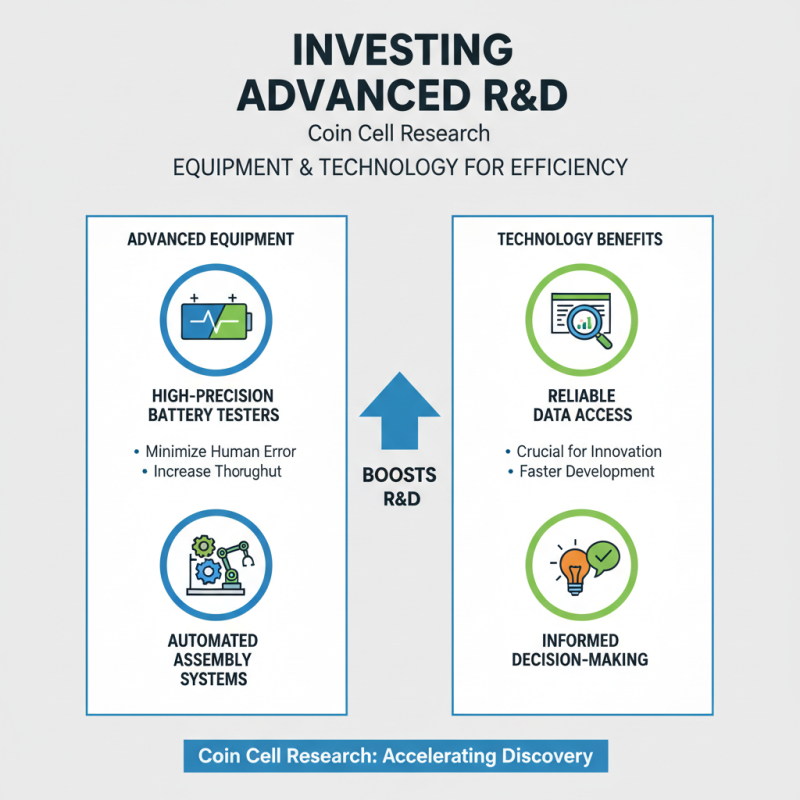
In the rapidly evolving field of coin cell research, investing in advanced equipment can significantly enhance R&D efficiency. High-precision battery testers and automated assembly systems are paramount. These tools minimize human error and increase throughput. Experimenting with cutting-edge technology ensures that teams have access to reliable data. Such data is crucial for informed decision-making.
However, it's essential to continuously evaluate the performance of your current tools. A shiny new piece of equipment may not always solve underlying issues. Occasionally, investing in operator training can yield better results. Teams must also assess whether they are using the full potential of existing machinery. Are they facing bottlenecks? Identifying these gaps can lead to smarter investments.
Regularly iterating on R&D processes can create a more efficient line. Teams should remain open to feedback and remain willing to revise strategies. A balance between innovation and practical application is necessary. In the pursuit of advancement, it’s easy to overlook the basics. Continuous reflection on equipment effectiveness and employee training can reveal areas for improvement. Fostering an environment of ongoing assessment will ultimately lead to better outcomes.