Choosing a 32140 Cylindrical Battery Pilot Line is not just a matter of comparing machine prices. The right setup should match your cell design, target output, available floor space, and team experience. A line that looks efficient in a supplier’s presentation may need careful adjustment once real materials enter the process.
Start with the basics. What chemistry and electrode dimensions will you use? How many cells must the pilot line produce each day? These answers shape decisions about coating width, calendaring pressure, winding or stacking equipment, electrolyte filling, and formation capacity. Small details matter. A few millimeters of alignment error can affect winding quality, while inconsistent filling may create uneven test results. Ask suppliers how they control these variables and what data they can share from comparable installations.
A pilot line should support learning, not merely produce attractive samples. Look for adjustable process settings, practical inspection points, and equipment that operators can clean and maintain without excessive downtime. Check whether the supplier provides installation support, training, spare parts, and clear documentation. Request a process flow diagram and confirm which steps are included in the quoted scope.
There is no perfect configuration. Some teams may overestimate future production needs; others may choose equipment that leaves too little room for process experiments. That trade-off deserves honest review. This guide outlines the key technical, operational, and commercial questions to ask before choosing a line, helping buyers compare options with evidence rather than promises.
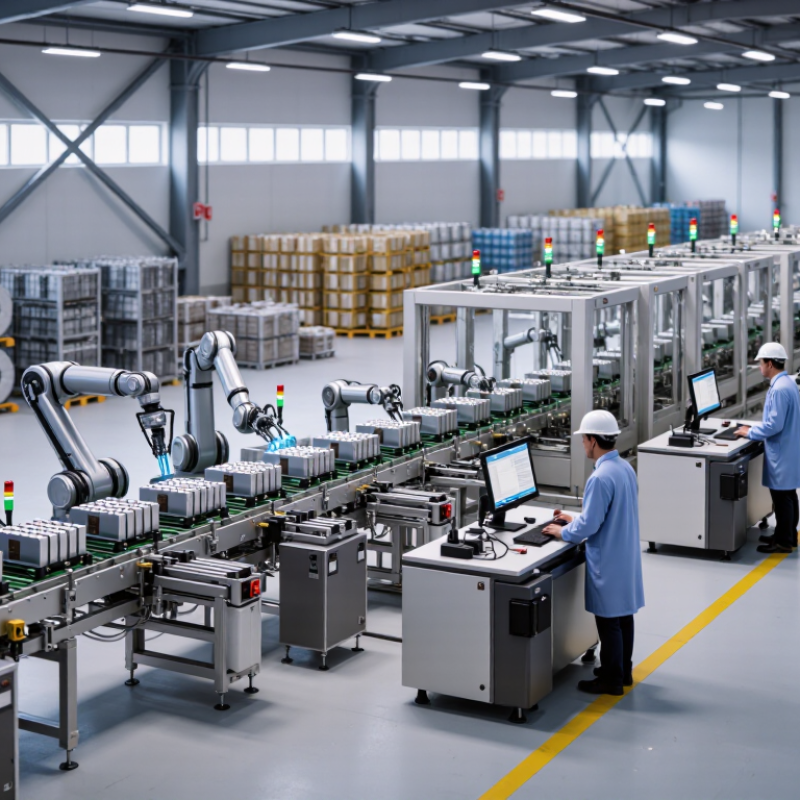
A 32140 battery pilot line should be sized around the work you need to learn, not an assumed future factory output. Define the target cell capacity, daily quantity, and number of operating shifts. A 32140 format has a cylindrical body about 32 millimeters wide and 140 millimeters long, so confirm that proposed tooling and handling systems fit those dimensions. Small details matter. Set measurable goals for electrode preparation, winding, assembly, electrolyte filling, and formation. Pilot equipment may run slowly, but each station should collect useful process data.
Specify what success means before requesting equipment proposals. For example, set acceptable ranges for cell capacity, weight variation, weld strength, and first-pass yield. Include expected material changeovers and the number of recipes operators must test. If research is still exploratory, prioritize adjustable settings and accessible inspection points over maximum line speed. That choice can feel less efficient, and it may be. Still, flexible equipment can reveal problems before a design becomes difficult to change. Document which measurements will be recorded and how often; vague goals make comparisons unreliable.
Tips: Estimate output from realistic cycle times, planned sampling, and routine stops—not ideal machine speed. Ask for a sample process flow and confirm where safety checks, traceability, and quality inspections occur. Keep some capacity in reserve. Pilot schedules often change.
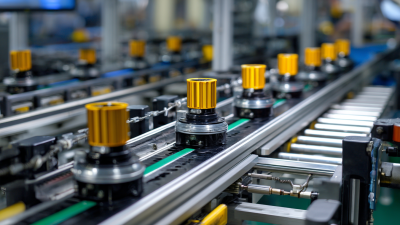
A 32140 cell is about 32 mm wide and 140 mm tall, so the pilot line must handle wider electrodes and a longer winding path than smaller cylindrical formats. Start by mapping each process, from slurry mixing to final grading. The equipment list should include mixers, coating and drying systems, calenders, slitters, winding stations, tab-welding tools, electrolyte filling, sealing, and formation racks. Small details matter. A misaligned electrode edge can create wrinkles inside the wound assembly.
The International Energy Agency reported that global electric-car battery demand exceeded 750 GWh in 2023, rising about 40% from 2022. That growth makes process control and scalable equipment choices important, even for a pilot line. Specify measurable checks at each stage: coating weight, electrode thickness, winding tension, weld resistance, and fill volume. Include ventilation and dry-room controls around electrolyte handling. Formation equipment also needs enough channels to track voltage, temperature, and capacity over repeated cycles. Pilot lines often underestimate formation time. That can leave racks as the bottleneck, even when assembly equipment is available.
Use the process map to compare equipment capacity, changeover time, data logging, and maintenance access. Request trial runs with representative electrode materials and target dimensions. Watch the winding station in operation; a neat machine specification does not guarantee stable alignment. The plan may need revision after early builds. That is useful evidence, not failure.
A 32140 cylindrical battery pilot line should fit the production plan, not just the available floor space. Estimate daily output from planned shifts, expected trial runs, and time reserved for changeovers. A line rated for high volume may still be a poor fit if your team only needs small batches and frequent process adjustments. Ask suppliers to clarify whether stated capacity assumes continuous operation or includes routine stops.
Map the equipment before comparing automation levels. Leave practical access around winding, welding, filling, and inspection stations, with clear paths for material carts and maintenance staff. Measure doors, ceiling height, and utility locations; these details can complicate installation. Small omissions matter. Automation should address real bottlenecks, such as repetitive handling or traceability, while keeping operator access manageable. More automation is not always better for a pilot line, especially when recipes and workflows are still changing. It can be tempting to specify everything at once. That may add cost before the process is stable.
Request a layout drawing and a capacity estimate based on your actual product mix. Check what is included: tooling, safety guarding, data collection, and operator training can vary. If the plan is uncertain, favor modular stations and documented upgrade paths. Even then, leave room for surprises; pilot schedules rarely unfold perfectly.
| Planning Dimension | Pilot-Scale Reference | What to Check Before Selection | Practical Planning Guidance |
|---|---|---|---|
| Cell format | 32140 cylindrical cell; nominal dimensions are approximately 32 mm in diameter and 140 mm in height. | Confirm the permitted cell diameter, height, terminal design, and mechanical tolerances for the intended product. | Use the actual cell drawing and process requirements to specify tooling, fixtures, conveyors, and inspection equipment. |
| Target output | Define output as good cells per shift or per day, rather than relying only on a machine’s nominal cycle rate. | Account for planned operating hours, changeovers, downtime, sampling, and expected yield. | Estimate required input volume using: target good output ÷ expected process yield. Validate assumptions during trials. |
| Line configuration | Typical pilot stages may include electrode preparation, cell assembly, electrolyte filling, formation, aging, and final inspection. | Identify which stages are included, outsourced, shared with other projects, or intentionally kept manual. | Define clear handoff points and material-flow requirements before requesting a line layout or equipment quotation. |
| Process capacity balance | Each operation should support the planned production rate; formation and aging may require substantially longer residence time than assembly operations. | Compare cycle time, batch size, equipment availability, and work-in-process limits at every stage. | Size slower processes and buffer areas separately; do not assume one machine’s rated output represents whole-line capacity. |
| Layout and footprint | Plan space for equipment, operator access, material staging, maintenance, safety clearances, and future modifications. | Check building columns, doorways, floor loading, utilities, ventilation, fire protection, and required egress routes. | Request a dimensioned layout showing equipment envelopes, service access, material paths, and designated storage areas. |
| Automation level | Options range from manual workstations to semi-automated transfer and inspection, through integrated automated handling. | Evaluate labor availability, required traceability, product variability, changeover frequency, and maintenance capability. | Automate repetitive, safety-sensitive, or quality-critical tasks first; retain flexibility where pilot recipes are still changing. |
| Quality and traceability | Potential controls include dimensional checks, weight checks, process records, barcode or serial tracking, and electrical testing. | Specify the data to capture, acceptance criteria, record retention, and how out-of-specification cells are identified. | Agree on inspection points and data formats before equipment integration; verify that records can be exported for analysis. |
| Utilities and facility readiness | Requirements depend on the selected processes and equipment; electrical power, compressed air, extraction, and environmental controls may be needed. | Obtain equipment-specific utility loads, connection points, operating conditions, and facility requirements. | Use supplier utility schedules as design inputs and confirm site capacity with qualified facility and safety personnel. |
| Safety and compliance | Battery manufacturing may involve electrical, chemical, thermal, mechanical, and fire-related hazards. | Review risk assessments, guarding, emergency stops, chemical handling, ventilation, fire protection, and local regulatory obligations. | Complete a site-specific safety review with qualified professionals before installation, commissioning, and operation. |
| Flexibility for development | Pilot lines often need recipe changes, trial runs, small batches, and process adjustments. | Check tooling changeover time, recipe control, parameter access, sampling needs, and compatibility with planned product variants. | Prioritize modular equipment and documented changeover procedures when product specifications are not yet frozen. |
| Commissioning and support | Plan for installation, operator training, process validation, spare parts, and maintenance documentation. | Confirm acceptance criteria, training scope, service response arrangements, and responsibility for site preparation. | Include commissioning milestones and performance tests in the project plan; distinguish equipment acceptance from sustained production capability. |
| Selection decision | Compare candidate configurations against capacity, footprint, process coverage, automation, safety, and budget. | Use the same assumptions and boundary conditions for each proposal. | Treat output figures as planning estimates until validated with the selected process, materials, operating schedule, and acceptance tests. |
A 32140 cylindrical battery pilot line should make quality measurable at every station. The International Energy Agency’s Global EV Outlook 2024 reports that global battery manufacturing capacity reached about 2.2 terawatt-hours in 2023, roughly three times electric-vehicle battery demand. That scale makes process control essential, even on a small line. Ask for recorded electrode thickness, coating weight, winding alignment, weld resistance, and cell weight—not just equipment specifications. Keep batch-level material records linked to each cell’s inspection results. Small deviations matter.
Look closely at safety and compliance during a live process trial. Check that interlocks stop motion when guards open, emergency stops are reachable, and alarms respond to simulated faults. Review dry-room moisture logs, local exhaust performance, and the plan for isolating overheated cells. Good paperwork helps. It is not enough. Request calibration records and sample inspection data, then verify them against the actual instruments. IEC 62619 may be relevant to industrial secondary lithium cells, while transport testing has separate requirements; confirm scope with qualified compliance personnel. A pilot line can pass a tidy audit and still reveal weak spots after repeated changeovers. That is worth admitting. Test those transitions.
Evaluate quality controls, safety measures, and compliance
Illustrative planning targets, not measured supplier data. Use these categories to compare documented controls for electrode processing, cell assembly, traceability, process safety, fire protection, and regulatory readiness. Confirm requirements against the applicable standards and local regulations.
How to Choose a 32140 Cylindrical Battery Pilot Line
Compare Suppliers and Verify the Line Before Purchase
A 32140 pilot line should be judged by repeatable output, not its brochure speed. Compare suppliers using the same test conditions: cell dimensions, target capacity, shift length, and acceptable defect rate. Ask for measured results from comparable cylindrical cells. Request raw data, not only a polished production video. A clean demo is useful, but it cannot show every stoppage.
The International Energy Agency reported that global battery manufacturing capacity exceeded 2.5 terawatt-hours in 2023, more than twice that year’s demand. That scale makes supplier claims worth checking carefully.
During factory acceptance testing, observe electrode handling, winding alignment, tab welding, sealing, and traceability at each station. Check whether the line records downtime and rejects by process step. Small misalignments matter. Run a sustained trial with agreed materials, then compare actual throughput and yield against the contract. Ask who supplies calibration records and operator training. A spreadsheet can look reassuring; the awkward part is verifying that its numbers came from a real run. Keep sample cells from the trial for independent dimensional and electrical checks before signing off.