Choosing a Single-Station Series Vacuum Glove Box in 2026 requires more than comparing chamber size or display features. It requires evidence. MarketsandMarkets identifies pharmaceutical, battery, and advanced-materials research as major drivers of glove box demand. Grand View Research also reports continued market growth, supported by stricter contamination control and expanding energy-storage laboratories.
The practical question is simple. What must the box protect?
ISO 10648-2 provides a useful reference for containment performance, while ASTM guidance supports careful evaluation of leak testing, material compatibility, and operating procedures. Oxygen and moisture sensors should match the process. A reading of less than 1 ppm may sound impressive, but recovery time matters after a transfer cycle. Door seals matter too. So does glove flexibility.
Professor Sir William Crookes, a pioneer in vacuum science, warned that “the value of an experiment depends upon the purity of its conditions.” That principle still applies. A Single-Station Series Vacuum Glove Box should protect sensitive materials, not merely display impressive specifications.
In real laboratories, the smallest weaknesses often appear elsewhere. A poorly planned antechamber can slow every experiment. An uncomfortable glove port can increase operator fatigue. An oversized purifier may raise costs without improving results.
There is no perfect configuration.
This guide examines atmosphere requirements, vacuum performance, purification capacity, ergonomics, maintenance access, and total ownership cost. It also questions a common assumption: the most advanced glove box is not always the best choice. The right system is the one that remains stable, serviceable, and practical after daily use begins.
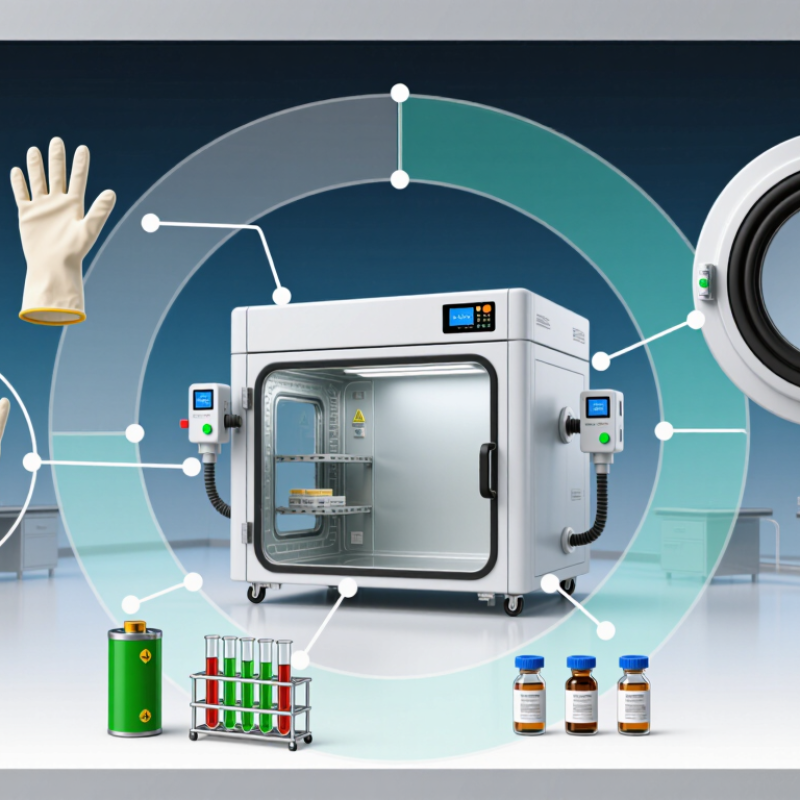
A single-station series vacuum glove box is an enclosed workstation for handling moisture- or oxygen-sensitive materials. “Single-station” means one operator uses one main chamber at a time. The word “series” usually describes a product family with different sizes or configurations. The chamber maintains a controlled atmosphere. Flexible gloves let the operator work without opening the enclosure. A transparent front window provides visibility, while sealed ports support instruments and cable connections. Short sentence.
During operation, a vacuum antechamber moves tools and containers into the workspace. The operator loads an item, closes the outer door, removes air, and refills the chamber with dry inert gas. Several purge cycles may be needed. Inside, sensors monitor oxygen, moisture, pressure, and temperature. A purification unit removes traces that ordinary ventilation cannot control. In practice, readings can drift after frequent door use or poor glove positioning. This is easy to underestimate.
This is easy to underestimate.
Choosing one requires matching chamber volume to real tasks, not imagined future work. Check glove reach, antechamber size, viewing angle, pressure range, leak rate, filter access, and alarm functions. Ask for calibration records and maintenance procedures. A small chamber may improve gas efficiency, but large vessels can become awkward to transfer. I have seen users focus on low oxygen readings and overlook moisture recovery time. That mistake affects workflow. Review usability with trained operators before purchase.
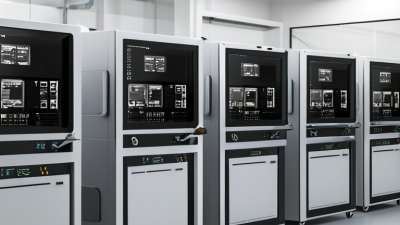
Materials that react with oxygen or water often require a vacuum glove box. Typical examples include lithium-based battery components, moisture-sensitive salts, reactive powders, and air-sensitive catalysts. These materials can discolor, oxidize, form surface films, or lose performance within minutes of exposure.
Processes also matter. Solvent drying, powder weighing, sample sealing, thin-film preparation, and small-scale synthesis may need controlled inert conditions. A single-station vacuum glove box suits laboratories handling limited sample quantities and frequent transfers. Its vacuum chamber helps remove trapped air before materials enter the working space. This step is important when even brief exposure can affect results.
Material sensitivity should guide the specification. Measure oxygen and moisture levels during real operation, not only during factory testing. Some processes need extremely low moisture, while others mainly require stable oxygen control. A reliable setup should also match the material’s size, static behavior, heat output, and cleaning requirements. Keep it practical.
A common mistake is choosing the box from the material name alone. The process duration, container shape, transfer frequency, and operator habits can matter more. The boundary is blurred. For example, a mildly sensitive powder may need strict control during weighing but less protection during later storage. Review the complete workflow before selecting a single-station series vacuum glove box.
Typical maximum oxygen and moisture targets for materials and processes that are sensitive to air or humidity. Lower values indicate stricter atmosphere control requirements. Actual specifications vary by material, formulation, and process step.
A single-station vacuum glove box is commonly selected for laboratory-scale handling of highly air-sensitive powders, reactive chemicals, battery materials, and moisture-sensitive devices. Confirm the required oxygen and moisture limits with the material supplier or process specification before choosing the purification and vacuum systems.
Chamber size should follow your actual workflow, not a catalog photograph. Measure the largest sample, tools, trays, and waste container together. Leave hand clearance around each item. A compact chamber saves space, but tight access can cause repeated glove contact with the walls. That slows careful work. A larger chamber offers flexibility, yet it may require longer evacuation and more purification time. I would add spare volume for future equipment, but not so much that the atmosphere becomes difficult to recover.
Atmosphere control depends on measurable performance. Check the stated oxygen and moisture ranges, sensor accuracy, leak rate, and purification capacity. Ask for test methods, calibration records, and recovery data after door opening. A useful trial uses a planned load, several glove movements, and a timed pressure cycle. Watch how quickly readings return to target values. Specifications can look excellent on paper. Real performance may change with room temperature, maintenance, and operator habits.
Glove ports deserve practical attention. Their spacing should allow both hands to work without crossing or twisting. Port height matters when handling a microscope, balance, or sealed container. Check glove size, material compatibility, replacement time, and cuff access. More ports are not always better. Unused openings add sealing points and may reduce workspace. A simple mock-up made from cardboard can reveal awkward reach distances before purchase. It is an imperfect test, but it often exposes assumptions that drawings hide.
2026 How to Choose a Single Station Series Vacuum Glove Box
Vacuum performance should be measured under working conditions, not only at an empty chamber. Ask for ultimate pressure, pump-down time, leak rate, and recovery after each transfer cycle. A useful acceptance test records pressure with gloves installed, trays loaded, and the antechamber operating. ISO 10648-2 provides a recognized framework for enclosure leak-tightness testing. Numbers can mislead. A low final pressure means little if recovery takes twenty minutes.
Safety depends on controlled failure. Select oxygen and moisture sensors with visible alarms, calibrated ranges, and documented response times. Door interlocks should prevent unsafe sequence errors. Include pressure relief, emergency purge control, power-loss protection, and an accessible isolation valve. The U.S. Chemical Safety Board has repeatedly linked weak alarm management and inadequate procedures with severe industrial incidents. The lesson is practical: test alarms during commissioning, not after a problem.
Usability affects contamination and operator fatigue. Check glove-port height, viewing angle, lighting, wrist clearance, and the force needed to move gloves. ISO 14644-1:2015 allows no more than 3,520 particles of ≥0.5 μm per cubic meter for ISO Class 5 air. That limit is strict, but real cleanliness also depends on transfer habits and cleaning access. Test it loaded. Review pump noise, maintenance access, data logging, and filter replacement time. I would also request a witnessed factory test, although this adds cost. Skipping it may be the expensive shortcut.
Choosing a single station vacuum glove box starts with your laboratory workflow, not the equipment catalog. Define the materials, handling time, and required atmosphere. A moisture-sensitive powder may need tighter humidity control than a short sample transfer. Oxygen and moisture limits should match your process data, not vague “high purity” claims.
Measure the working space carefully. Include the largest vessel, tools, waste container, and any heating or stirring equipment. A compact chamber saves floor space, but crowded gloves slow movements and increase handling errors. Check glove position, viewing angle, shelf height, and elbow clearance. Small details matter. Confirm the transfer chamber volume and cycle time, especially when samples move frequently.
Review the vacuum system, circulation method, sensors, and regeneration procedure with maintenance in mind. Ask how quickly the system recovers after door opening, and whether alarms record oxygen and moisture trends. A reliable model should support calibration, leak testing, filter changes, and accessible service points. Do not select capacity from one ideal experiment. Test the layout with real containers and the least experienced operator. That uncomfortable trial may reveal poor reach, awkward wrist angles, or missing storage. The “perfect” model on paper can still fail during a busy afternoon.
| Laboratory Workflow | Recommended Chamber Configuration | Typical Working Volume | Atmosphere Requirement | Purification Requirement | Recommended Vacuum Level | Suitable Transfer Method | Key Selection Considerations |
|---|---|---|---|---|---|---|---|
| Air-sensitive synthesis and sample preparation | One main chamber with two glove ports and a front antechamber | Approximately 150–300 L | Inert nitrogen or argon; oxygen and moisture commonly controlled below 1 ppm for highly air-sensitive work | Closed-loop oxygen and moisture removal system with replaceable or regenerable columns | Antechamber evacuation typically to about 10–30 mbar before backfilling | Vacuum antechamber for routine material transfers | Select continuous circulation, low-leakage seals, oxygen/moisture monitoring, and sufficient internal depth for the reaction setup |
| Lithium-ion battery and electrochemical materials | Single station with a wide main chamber, integrated electrical feedthroughs, and a medium or large antechamber | Approximately 250–500 L | Very dry inert atmosphere; moisture is often the primary control parameter for electrolyte and electrode handling | High-capacity moisture and oxygen purification; choose a system sized for frequent transfers and solvent loading | Typically 1–30 mbar in the antechamber, subject to material compatibility and pump capacity | Large vacuum antechamber; optional rapid-transfer chamber for high-throughput work | Check solvent compatibility, static-control provisions, electrical feedthrough ratings, shelf loading, and exhaust treatment requirements |
| Organic electronics, perovskites, and thin-film devices | Single station with an unobstructed work surface, optical access, and ports for process equipment | Approximately 200–400 L | Low-oxygen, low-moisture nitrogen or argon atmosphere; exact limits depend on the material chemistry | Continuous purification recommended when devices are fabricated over extended periods | Approximately 10–30 mbar for routine antechamber cycles | Front antechamber with removable shelves or racks for substrates and tools | Prioritize optical windows, vibration control, cable feedthroughs, solvent management, and convenient cleaning access |
| Metal powder, nanomaterial, and catalyst handling | Single station with robust gloves, easy-clean interior surfaces, and optional sealed waste or powder-transfer accessories | Approximately 150–300 L | Inert atmosphere selected according to oxidation, moisture, and contamination sensitivity | Select purification capacity based on powder quantity, surface area, and frequency of door opening | Approximately 10–50 mbar for routine transfer cycles | Vacuum antechamber with sealed containers and dedicated transfer trays | Consider powder retention, grounding, antistatic measures, glove abrasion resistance, and procedures for contaminated materials |
| Optical, spectroscopy, and microscopy sample preparation | Compact single station with large viewing window, internal lighting, and instrument-compatible feedthroughs | Approximately 100–250 L | Inert atmosphere; oxygen and moisture limits should follow the sensitivity of the samples | Basic or standard purification may be sufficient for short, low-load workflows | Approximately 20–50 mbar for routine loading and unloading | Compact front antechamber for small sample holders | Match window geometry and feedthrough locations to the external instrument; avoid excessive internal vibration and reflections |
| Biological or pharmaceutical anaerobic work | Single station configured for controlled anaerobic handling, with appropriate biological containment accessories where required | Approximately 150–300 L | Nitrogen, argon, or a defined anaerobic gas mixture; oxygen limits depend on the organism and protocol | Moisture control may be moderate; oxygen monitoring and safe gas-exchange procedures are essential | Typically 20–100 mbar, subject to sample and container compatibility | Pass-through antechamber sized for culture vessels, tools, and sealed containers | Verify decontamination procedures, material compatibility, waste handling, access control, and applicable biosafety requirements |
| Teaching, prototyping, and occasional air-sensitive work | Compact single station with one antechamber and straightforward manual controls | Approximately 100–200 L | Inert nitrogen or argon; performance target selected according to the teaching or prototype application | Standard purification loop with clear oxygen and moisture readouts | Approximately 30–100 mbar for normal transfer cycles | Small vacuum antechamber for limited quantities of materials | Emphasize simple operation, low utility demand, accessible maintenance, replaceable gloves, and training-friendly controls |
| Parameter | Typical Selection Range or Option | Why It Matters to the Workflow | Recommended Check Before Purchase |
|---|---|---|---|
| Main chamber dimensions | Compact: about 100–200 L; standard: about 200–400 L; large: above 400 L | Determines usable workspace, equipment clearance, sample storage, and operator comfort | Measure the largest apparatus, required turning radius, shelf positions, and available laboratory floor area |
| Glove-port quantity | Usually two ports for a single operator; additional ports are available on selected configurations | Affects reach, simultaneous handling, and the number of operators who can work safely | Confirm port spacing, glove size, glove material, replacement procedure, and ergonomic reach |
| Antechamber size | Small: approximately 10–30 L; medium: approximately 30–100 L; large: above 100 L | Controls the size and frequency of material transfers without exposing the main chamber | Compare internal chamber dimensions with the largest container, tray, or instrument to be transferred |
| Atmosphere control | Nitrogen or argon; manual, semi-automatic, or automatic pressure regulation | Determines protection from oxidation, hydrolysis, contamination, and unwanted reactions | Check gas purity, supply pressure, consumption, pressure stability, alarms, and oxygen-deficiency safety provisions |
| Oxygen and moisture monitoring | Integrated sensors with ppm-level readouts; sensor ranges vary by instrument type | Provides real-time confirmation that the working atmosphere remains within process limits | Confirm measurement range, accuracy, calibration method, sensor lifetime, and alarm thresholds |
| Purifier capacity | Basic, standard, or high-capacity purification matched to chamber load and transfer frequency | Affects recovery time after loading, solvent exposure, door opening, and long-term operating cost | Request rated oxygen/moisture capacity, regeneration method, solvent compatibility, and replacement intervals |
| Vacuum pump and antechamber cycle | Dry pump or oil-sealed pump; typical transfer pressure approximately 1–100 mbar depending on design | Influences cycle time, contamination risk, maintenance, and compatibility with volatile materials | Verify ultimate pressure, pumping speed, noise, exhaust routing, solvent tolerance, and service requirements |
| Feedthroughs and internal utilities | Electrical, gas, vacuum, thermocouple, data, and fluid feedthroughs as required | Allows balances, heaters, sensors, electrochemical equipment, and analytical instruments to operate inside the chamber | Prepare a port schedule showing connector type, voltage, current, temperature range, and future expansion needs |
| Materials and cleaning | Stainless-steel or coated metal chamber; smooth surfaces and removable shelves are preferred | Affects chemical resistance, particle control, decontamination, and maintenance time | Review compatibility with solvents, acids, bases, powders, cleaning agents, and expected operating temperature |
| Safety and facility requirements | Gas monitoring, pressure relief, electrical protection, exhaust connection, and appropriate ventilation | Protects personnel and the laboratory from inert-gas displacement, vacuum hazards, solvent vapors, and process-specific risks | Confirm local electrical, gas-cylinder, ventilation, fire, biosafety, and chemical-safety requirements before installation |
Note: The values shown are typical engineering ranges for single-station vacuum glove box selection. Final specifications should be verified against the laboratory process, material compatibility, facility utilities, applicable safety requirements, and the selected equipment configuration.