Top Single Station Series Vacuum Glove Box Manufacturers?
Choosing a reliable Single-Station Series Vacuum Glove Box requires more than comparing prices or polished product photographs. Researchers need stable oxygen and moisture control, dependable vacuum performance, comfortable glove access, and service support that remains available after installation.
Dr. Michael A. Matthews, a laboratory containment systems specialist, states, “A glove box earns trust through stable conditions, simple maintenance, and honest performance data.” This practical view guides our comparison of leading manufacturers. It also reminds buyers to examine technical evidence, not only advertising language.
A strong model should maintain a controlled atmosphere during routine transfers, material preparation, and sensitive experiments. Look for precise pressure regulation, leak-tested chambers, durable stainless-steel construction, and clear monitoring displays. The antechamber matters too. A narrow door, awkward handle, or slow evacuation cycle can waste time every day.
Manufacturers such as MBRAUN, VAC, Jacomex, and other established suppliers offer different strengths. Some focus on advanced purification systems. Others provide flexible configurations, compact footprints, or responsive regional service. Their reputations deserve attention, but independent verification remains essential.
No ranking is perfect.
Actual performance can change with laboratory layout, operator habits, maintenance quality, and workload. A manufacturer may offer excellent engineering but limited local support. Another may provide fast service while offering fewer customization options.
This guide compares top Single-Station Series Vacuum Glove Box manufacturers through practical criteria, including construction quality, atmosphere stability, safety features, usability, documentation, and long-term ownership value. Readers should confirm current specifications directly with suppliers before purchasing. That final check may reveal the most important detail.
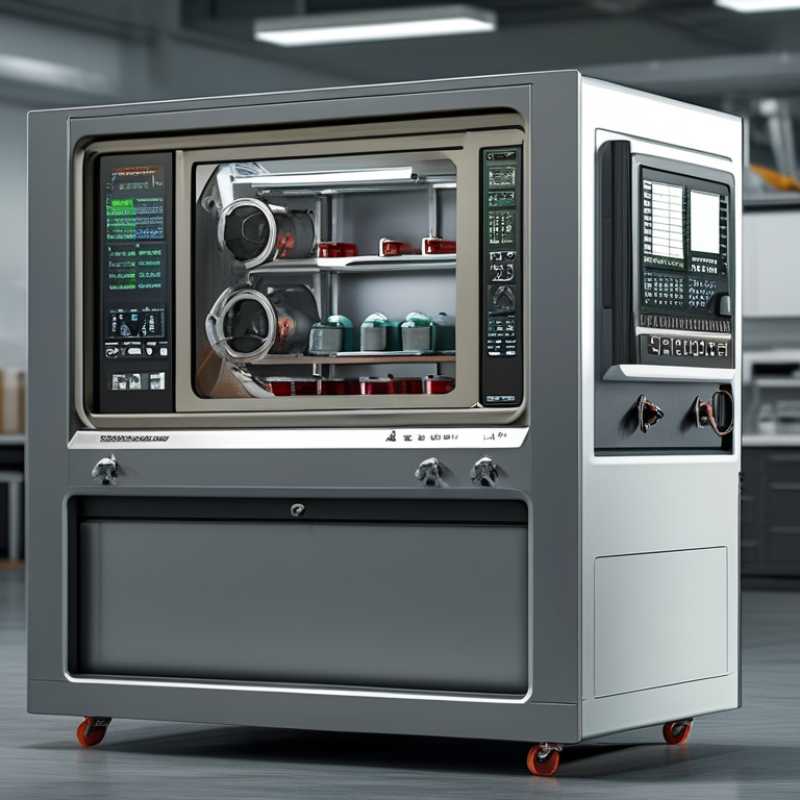
Single-Station Vacuum Glove Boxes: Definition, Uses, and Core Specifications
A single-station vacuum glove box is an enclosed working chamber with two integrated gloves, a vacuum-capable antechamber, and controlled gas circulation. It isolates air-sensitive materials from oxygen, moisture, and particles. The operator works through sealed gloves while viewing the process through a front window.
Small footprint. That distinction matters.
Typical applications include battery-material research, organometallic chemistry, thin-film preparation, and moisture-sensitive sample handling. Core specifications should include oxygen and moisture limits, chamber volume, antechamber dimensions, vacuum level, leak rate, filtration efficiency, and regeneration time. Many laboratory systems target oxygen and moisture below 1 ppm, but this performance depends on loading habits, seals, purification media, and maintenance. A 2024 Grand View Research assessment identifies expanding research and advanced-materials demand as major drivers of the global glove box market. MarketsandMarkets also forecasts continued market growth through 2028.
Procurement teams should request measured recovery data, not only advertised ppm values. A practical test records chamber oxygen after door opening, transfer, and several hours of operation. The trade-off is easy to miss: deeper vacuum does not automatically mean better process stability. Excessive cycling can increase contamination risk and operating costs. I would also question unclear leak-rate methods. Different test pressures produce different results. A reliable supplier should provide calibration records, material compatibility details, maintenance intervals, and acceptance-test procedures. A single station may be sufficient, though throughput can become a limitation when several users share it.
Comparing Manufacturers by O₂ and H₂O Levels Below 1 ppm
Selecting a single-station vacuum glove box requires more than reading “below 1 ppm” on a specification sheet. Oxygen and moisture levels depend on chamber volume, seals, purification capacity, and operating habits. Experienced manufacturers should report measured values, test conditions, and recovery times. Ask whether the figures apply after regeneration or during continuous production.
Manufacturers with mature engineering teams often provide stronger leak testing and better sensor integration. Their systems may include automatic pressure control, heated regenerators, and oxygen sensors with documented calibration intervals. Compact-system builders can offer lower prices and faster delivery, but their purifier capacity may be limited. Custom integrators usually adapt ports and antechambers well, though replacement parts can become less convenient. A useful comparison includes water vapor readings, oxygen readings, base pressure, leak rate, and recovery time after door cycling.
Look closely at the commissioning procedure. A reliable unit should reach below 1 ppm O₂ and H₂O under defined conditions, not only in an empty chamber. Request factory acceptance data and repeat the test with your actual materials. Solvents, porous samples, and frequent transfers can quickly raise moisture levels. I have found that sensor placement also matters; one poorly positioned probe can create false confidence. Maintenance records, purifier replacement guidance, and technical response times deserve equal attention. Low numbers look impressive, but stable numbers are more valuable.
Top Single Station Series Vacuum Glove Box Manufacturers: Comparing O₂ and H₂O Levels Below 1 ppm
The chart uses the manufacturer-neutral qualification threshold of less than 1 ppm for both oxygen and moisture. Because published specifications differ in test conditions, stabilization time, sensor accuracy, and sampling location, manufacturer-level values should only be compared when the original technical datasheets define the same measurement conditions.
Vacuum Performance: Leak Rates and Pressures Near 10⁻³ mbar
Vacuum performance often separates a credible single-station glove box from a polished specification sheet. When comparing manufacturers, ask for the measured leak rate, ultimate pressure, test duration, and acceptance method. Numbers need context. An empty chamber reaching approximately 10⁻³ mbar may sound impressive, but it does not prove stable containment during use. Glove ports, seals, feedthroughs, and the antechamber can change the result dramatically.
Reliable suppliers should explain how technicians verify performance. Helium leak testing can identify tiny sealing defects more clearly than a basic pressure-drop test. Request data from a configured unit, not only from a factory test chamber. The report should identify the gauge location, temperature, pump arrangement, and stabilization time. A pressure reading near 10⁻³ mbar is useful only when the measurement conditions are transparent. Otherwise, comparison becomes guesswork.
In practical operation, I watch pressure recovery after an antechamber cycle and after glove movement. A strong system returns steadily without prolonged pumping or unexplained spikes. Door gaskets should compress evenly, while valves should close cleanly and repeatedly. Even experienced teams can overlook small leaks around electrical feedthroughs. I have also seen operators blame the pump when a damaged glove sleeve caused pressure drift. That mistake is expensive. Manufacturers deserve scrutiny, but users must maintain seals, inspect gloves, and record baseline readings. A thoughtful evaluation leaves room for uncertainty, because real equipment rarely performs exactly like a brochure.
Choosing Suppliers Through Safety Standards, Service, and Total Cost
Top Single Station Series Vacuum Glove Box Manufacturers?
Choosing Suppliers Through Safety Standards, Service, and Total Cost
A reliable supplier should provide documented safety testing, not vague assurances. Ask for pressure stability, leak-rate results, and oxygen and moisture control data. The glove box should include clear alarms, grounded electrical components, and an emergency operating procedure. Check whether the design supports your materials, tools, and transfer routine. A single-station chamber with a cramped antechamber can slow daily work. Small details matter.
Look for suppliers familiar with recognized cleanroom, electrical, and pressure-safety practices. Request factory acceptance records, calibration certificates, and a traceable inspection process. Technical drawings should show glove ports, vacuum lines, filters, and service access. During evaluation, ask how technicians diagnose unstable pressure or rising moisture levels. Practical answers reveal more than polished brochures. Sadly, specifications can hide weak support.
Service quality affects the real purchase cost. Confirm installation training, response times, spare-glove availability, and remote troubleshooting options. Ask which parts require routine replacement and how often sensors need calibration. Compare energy use, pump maintenance, consumables, delivery charges, and downtime. A cheaper quotation may become expensive after repeated service visits. I would also request a reference installation, though references are not perfect evidence. One overlooked issue can be operator training. Record every assumption before signing, including acceptance criteria, warranty limits, and repair responsibilities.

 Cylindrical Cell Machine Line
 18650 Battery Pilot Line
 Pouch Cell Lab. Line
 Prismatic Cell Machine Line
 Spare Part






 Phone
 Send Email
 whatsapp
 Facebook
 Youtube