2026 Best 21700 Battery Pilot Line Innovations and Trends?
The 21700 Battery Pilot Line stands at the forefront of battery technology. This new format is not just a trend; it's a revolution in energy storage. Innovations are emerging that promise better performance, longer life cycles, and increased efficiency. Manufacturers are racing to refine their production lines and meet the growing demand.
In 2026, we can expect remarkable advancements in the 21700 Battery Pilot Line. Companies are exploring advanced materials and innovative designs. These developments could lead to lighter batteries with higher energy densities. However, challenges remain. Sustainability and cost efficiency are critical factors that require ongoing attention.
The industry must also address quality control issues. Ensuring every battery meets safety standards is essential. Meanwhile, collaboration across sectors can enhance research and development efforts. By embracing new technologies and processes, stakeholders will pave the way for a more efficient future in battery production. The road ahead holds potential, but reflection on past challenges is crucial.
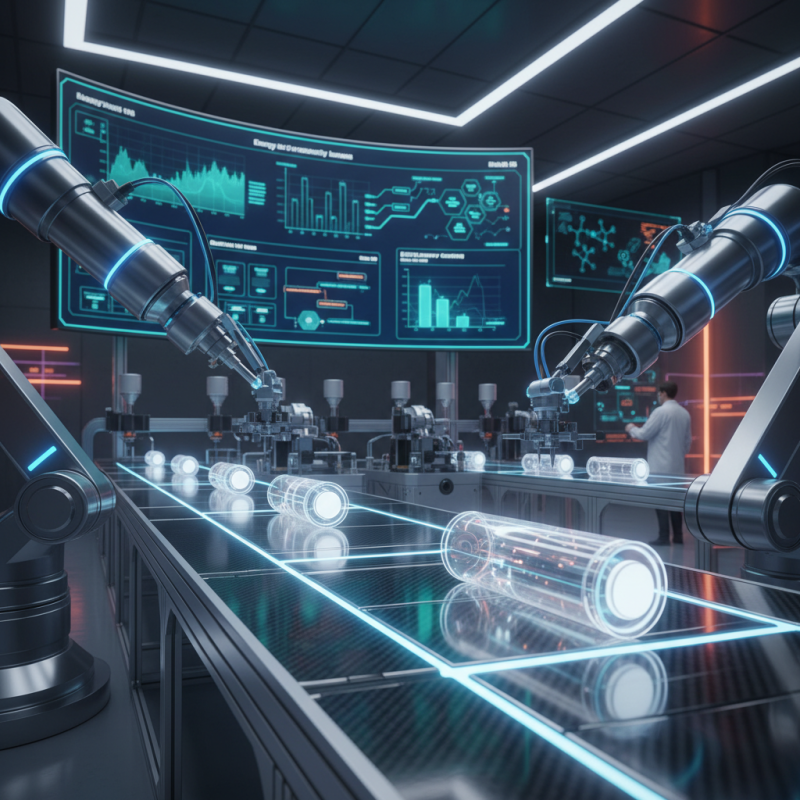
Overview of 21700 Battery Technology Advancements in 2026
In 2026, the 21700 battery technology has seen remarkable advancements. Innovations focus on energy density and thermal management. Research indicates that some cells now exceed 300 Wh/kg, marking a significant leap compared to previous generations. This enhancement supports intensive applications, including electric vehicles and portable electronics.
Manufacturers prioritize safety and longevity. New electrolyte formulations reduce flammability risks, addressing past concerns. Reports suggest that the cycle life of some 21700 cells reaches 3,000 cycles, which is impressive. However, there's still room for improvement in recycling capabilities. Current processes remain inefficient, impacting sustainability efforts.
The industry also grapples with supply chain challenges. Access to raw materials like lithium and cobalt fluctuates. This instability urges manufacturers to seek alternative chemistries. These explorations may lead to breakthroughs but require careful evaluation. Balancing performance and environmental impact remains a key challenge.
Overview of 21700 Battery Technology Advancements in 2026
This chart illustrates the advancements in 21700 battery capacities, energy densities, and cycle life from 2022 to 2026. The data reflects significant trends in battery technology, showing improvements over the years.
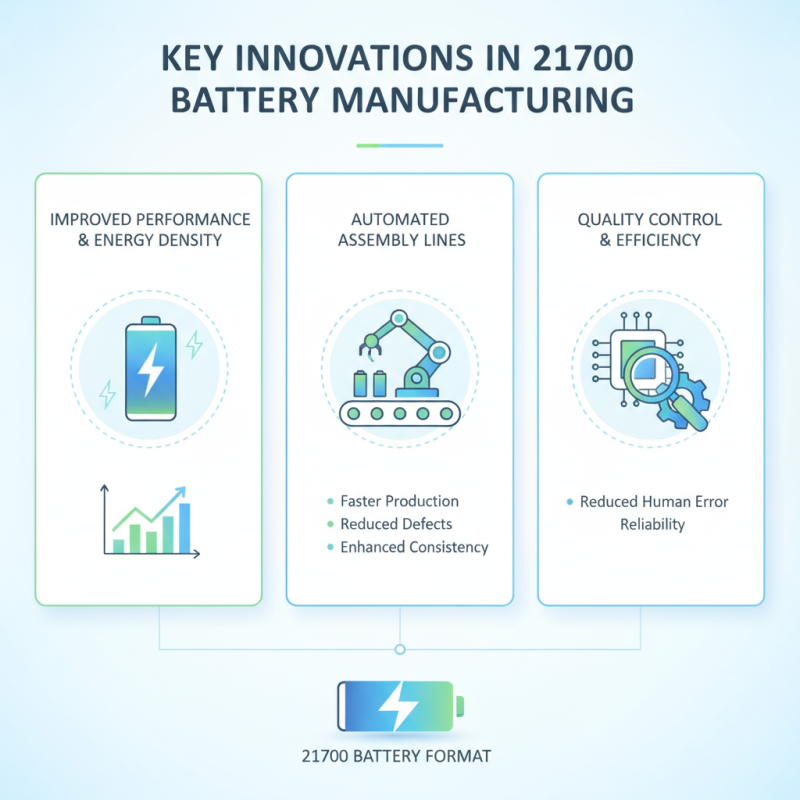
Key Innovations in 21700 Battery Manufacturing Processes
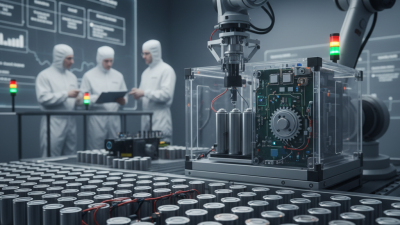
The 21700 battery format has gained traction due to its improved performance and energy density. Innovations in manufacturing processes play a crucial role in this trend. Companies focus on efficiency to produce cells faster and with fewer defects. Automation in assembly lines enhances consistency. This technology reduces human errors while ensuring quality control.
Additionally, advancements in materials have led to better thermal management. New electrolytes and separators increase battery safety and lifespan. However, not every innovation has delivered the expected results. Some new materials pose challenges in scalability, impacting production timelines. Designers must rethink these materials for large-scale applications.
Sustainability also emerges as a significant trend. Manufacturers are exploring eco-friendly processes and recyclable materials. However, balancing performance with environmental impact remains a challenge. Finding solutions without compromising battery quality is essential. Emphasizing research can lead to breakthroughs, pushing the industry forward responsibly.
Emerging Trends in Battery Chemistry and Materials for 21700 Cells
The 21700 battery format continues to evolve, driven by innovations in chemistry and materials. Recent research highlights advancements in solid-state electrolytes. These materials promise higher energy density and safety compared to traditional lithium-ion technology. They could significantly reduce the risk of thermal runaway, a common issue with current batteries.
New anode and cathode materials, such as silicon and lithium iron phosphate (LFP), are gaining traction. These materials enhance overall performance. Silicon allows for greater charge capacity, while LFP offers stability and longevity. Yet, scaling these technologies remains a challenge. Manufacturers face obstacles in production efficiency and cost control.
The recycling of batteries is another emerging trend. Increasing awareness of environmental concerns pushes researchers to focus on sustainable practices. Developing effective recycling methods is crucial for future battery technologies. However, the processes can be complex and expensive. Overcoming these hurdles will be essential for widespread adoption and a sustainable battery ecosystem.
Impact of 21700 Battery Designs on Electric Vehicle Performance
The 21700 battery design significantly impacts
electric vehicle (EV) performance, enhancing energy density and efficiency. This newer battery size allows
for larger amounts of energy storage, creating better range.
With greater capacity, EVs can travel longer distances on a single charge. Improved thermal management
also supports efficient energy use, which is crucial for performance during intensive driving.
However, there are challenges. The design requires precise engineering to optimize weight and size without
compromising safety. As manufacturers innovate, they should focus on balancing energy density with
thermal stability. This balance can prevent
overheating, a common concern with batteries. It's vital to remain aware of the trade-offs involved in
design choices.
Tips: Always consider battery lifespan when assessing performance. A higher capacity may lead
to faster degradation if not managed properly. Staying informed about recent advancements can also shed
light on trends that affect design and functionality. Keeping an eye on these factors can help users make
better-informed decisions in a rapidly evolving market.
Future Applications and Market Potential for 21700 Battery Solutions
The future applications of 21700 battery solutions are promising. As energy demands grow, industries are exploring innovative ways to integrate these batteries. Their higher capacity compared to older cell types provides more energy in compact designs. This is particularly valuable for electric vehicles and portable electronics. Their lightweight and efficient nature specifically targets next-gen applications.
Beyond transportation, the growth of renewable energy sources relies on efficient storage solutions. 21700 batteries offer potential in residential solar systems. Homeowners can store energy generated during the day for use at night, enhancing sustainability. However, the competitive market is pushing for rapid technological advancements. There are concerns about the environmental impact of production and disposal. Evaluating battery lifecycle is crucial to ensure long-term sustainability.
Moreover, industries must address safety challenges. High-performance batteries can be prone to overheating and failures. Creating robust safety protocols is essential for wide acceptance. As we advance, the balance between innovation and safety remains a critical focus. Continuous research and development will drive the market forward, but it must also prioritize user trust and reliability. Finding this equilibrium will be key for future growth.

 Cylindrical Cell Machine Line
 18650 Battery Pilot Line
 Pouch Cell Lab. Line
 Prismatic Cell Machine Line
 Spare Part




 Phone
 Send Email
 whatsapp
 Facebook
 Youtube