How to Set Up a 21700 Battery Pilot Line for Production?
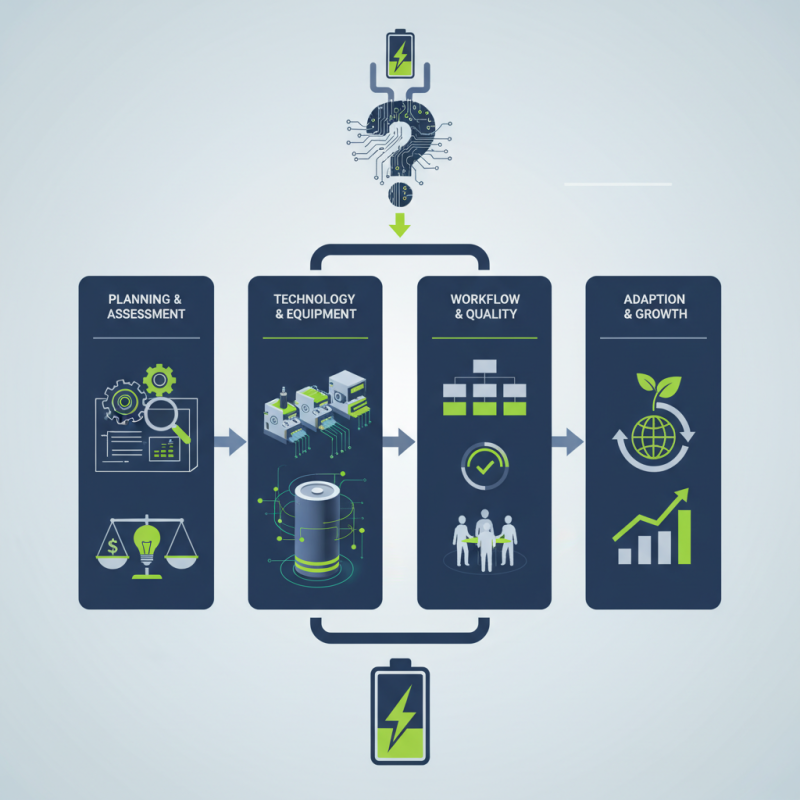
In the rapidly evolving landscape of battery technology, establishing a 21700 Battery Pilot Line is crucial for production efficiency. Industry expert Dr. Emily Zhang once stated, "Creating a pilot line is not just about technology; it's about understanding workflow and quality." Her insights highlight the complex interplay between innovation and operational excellence.
The 21700 Battery Pilot Line serves as a testing ground for new processes and equipment. It allows manufacturers to refine their techniques before full-scale production. However, setting up such a line is challenging. Careful planning and assessment are necessary to avoid common pitfalls. Resources may be allocated inefficiently if not managed well. Balancing cost and innovation is often a tightrope walk.
Moreover, stakeholder engagement plays a vital role in this journey. Misalignment among teams can lead to setbacks and increased costs. Creating a collaborative environment is essential. While various technologies are available, selecting the right combination is critical. Success hinges on continuous reflection and adaptation in the face of changing market demands. The path to a successful 21700 Battery Pilot Line is fraught with challenges, but the rewards of improved production capability are worth the effort.
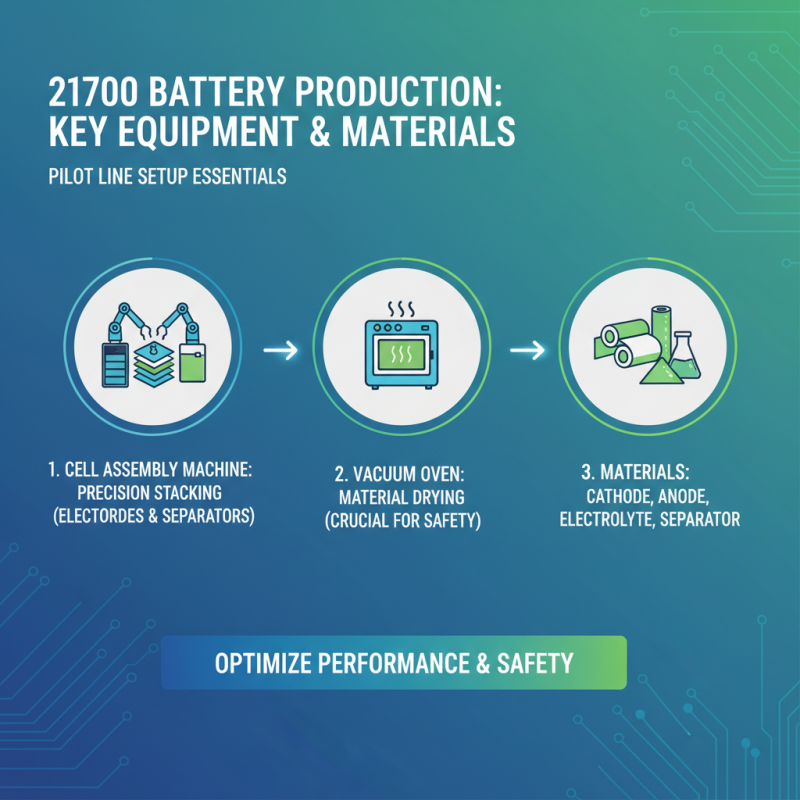
Identify Required Equipment and Materials for 21700 Battery Production
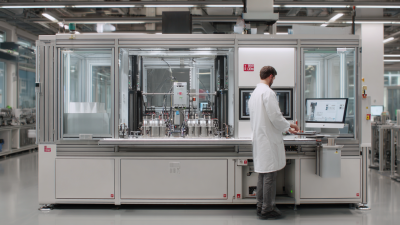
Setting up a pilot line for 21700 battery production requires careful planning of equipment and materials. Begin with a reliable cell assembly machine. This machine ensures precision during the stacking of electrodes and separators. Opt for a vacuum oven for drying materials effectively. Proper drying is crucial for performance and safety.
Quality control is essential. Incorporate testing stations to measure voltage, internal resistance, and capacity. These stations help identify defects early in the process. Consider including a clean room to minimize contamination risks during assembly. Contamination can significantly impact battery performance, making this a critical investment.
Materials also play a vital role. Secure a consistent supply of high-purity lithium, nickel, and cobalt. These materials directly influence the battery's energy density and lifespan. Regularly evaluate the quality of your supplied materials. Even minor impurities can lead to significant issues. Through this process, it’s vital to maintain a mindset open to improvements. Each production cycle offers lessons learned to refine your approach.
Design the Layout of the Pilot Line for Efficient Workflow
Designing the layout of a pilot line for 21700 battery production is crucial. The right arrangement impacts efficiency, safety, and overall productivity. Start by identifying the key stages of the production process. These include material handling, assembly, quality control, and testing. Each station should be logically positioned to promote smooth movement of materials and minimize bottlenecks.
Incorporate ergonomic designs. Workstations should be at comfortable heights. This reduces strain on workers during assembly tasks. You can enhance productivity by using modular and flexible setups. They allow easy adjustments for future changes in production needs.
Tips: Ensure adequate space between workstations. This supports safety and allows for potential expansion. Regularly review workflows to identify any inefficiencies. Engage workers in feedback sessions to gather insights. This can reveal hidden bottlenecks or areas needing improvement.
Consider implementing visual management techniques. Use color-coded labels and signs to streamline organization. A clear, visible system aids in communication. It also enhances the team's ability to respond to issues promptly.
Assess the effectiveness of your layout over time. Gather performance data and adjust to improve results continuously. Be open to trial and error; not all setups will work optimally on the first attempt.
How to Set Up a 21700 Battery Pilot Line for Production? - Design the Layout of the Pilot Line for Efficient Workflow
| Process Step |
Equipment Needed |
Duration (hours) |
Operator Count |
Notes |
| Cell Preparation |
Mixing Machine, Cutter |
2 |
2 |
Ensure quality materials |
| Electrode Coating |
Coating Machine |
3 |
3 |
Adjust viscosity as needed |
| Cell Assembly |
Assembly Line, Spot Welder |
4 |
4 |
Follow safety protocols |
| Electrolyte Filling |
Filling Machine |
2 |
2 |
Control environment conditions |
| Formation Cycling |
Cycling Equipment |
6 |
2 |
Monitor voltage levels |
| Quality Testing |
Testing Station |
1 |
2 |
Ensure all specifications meet standards |
| Packaging |
Packaging Machine |
1 |
3 |
Use protective materials |
Implement Safety Protocols and Standards in the Production Facility
Safety protocols are vital when setting up a 21700 battery pilot line. The production facility must prioritize risk assessments. Identifying potential hazards early ensures a safer workspace. Inadequate safety measures can lead to severe accidents. Regular training and updates are necessary for all employees. Knowledge of emergency procedures is equally important.
Implementing standards like ISO and OSHA can enhance reliability. These standards guide best practices in manufacturing processes. Compliance can reduce chances of non-conformance issues. Make sure to include proper ventilation systems. They help manage toxic fumes and maintain air quality. Regular inspections of equipment can prevent malfunctions.
It’s a challenge to balance production speed and safety. Fast-paced production can lead to overlooked safety steps. Continuous monitoring is essential. Production should not compromise the well-being of workers. Annually reviewing safety protocols could be a beneficial practice. Engaging employees in safety discussions often leads to better adherence. Their first-hand experiences can highlight potential improvements.
Train Personnel on Operating Procedures and Quality Control Measures
Training personnel is crucial for operating procedures and quality control in a 21700 battery pilot line. A well-defined training program should focus on essential skills. This includes handling batteries, following safety guidelines, and performing quality checks.
Hands-on training is vital. New employees should practice under supervision. This ensures they understand the equipment and workflows. It also allows them to ask questions. Quality control measures need clear definitions. Personnel should learn what to look for, such as defects or irregular voltage levels. Role-playing scenarios can enhance their skills.
Regular refresher courses are necessary, too. Employees must stay updated with new technologies and procedures. Continuous learning reinforces the importance of quality assurance. Reflection sessions can help identify areas for improvement. Perhaps an employee struggles with specific tasks. Addressing these gaps fosters a culture of growth and proficiency.
Establish Testing and Validation Procedures for Battery Quality Assurance
Quality assurance in battery production is crucial. Establishing robust testing and validation procedures ensures every 21700 battery meets safety and performance standards. The first step involves defining clear criteria. These criteria should cover capacity, cycle life, and thermal stability. Setting specific metrics guides your team in evaluating battery performance effectively.
Testing methods must be diverse. Incorporating both mechanical and electrical testing can reveal hidden flaws. Consider thermal runaway tests to understand the battery's behavior under stress. Additionally, employ aging tests to assess long-term reliability. Documenting these tests creates a valuable reference for future improvements.
It's essential to foster a culture of continuous improvement. Analyzing test results, even failures, provides insights for enhancement. Implementing feedback loops between production and testing teams can drive innovation. Regularly reviewing procedures ensures they evolve with technology advancements, keeping pace with industry standards.

 Cylindrical Cell Machine Line
 18650 Battery Pilot Line
 Pouch Cell Lab. Line
 Prismatic Cell Machine Line
 Spare Part






 Phone
 Send Email
 whatsapp
 Facebook
 Youtube