Top Sodium-Ion Battery Manufacturing Pilot Line Insights?
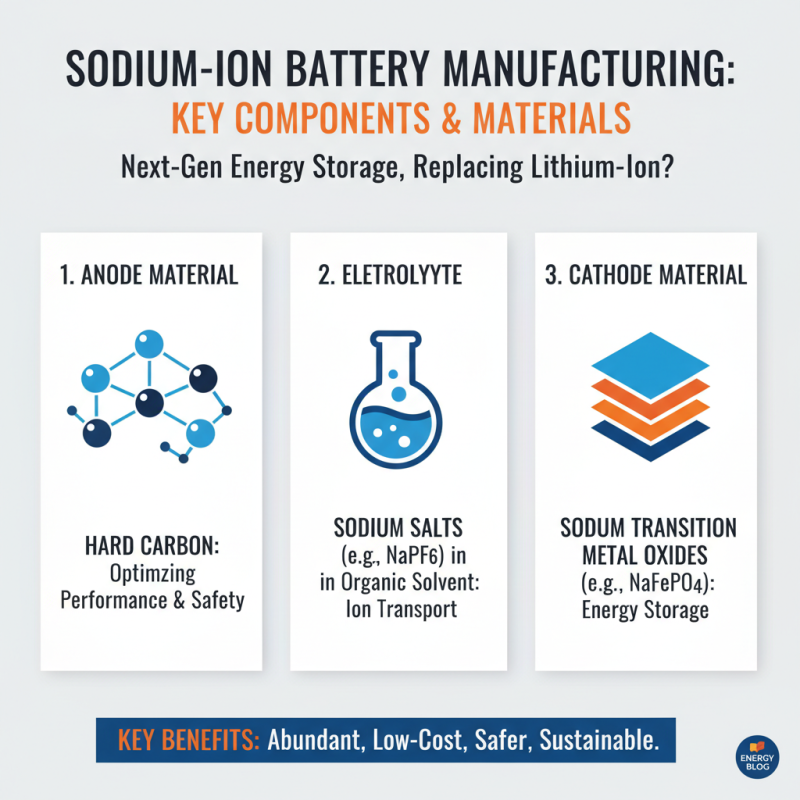
The emergence of the Sodium-Ion Battery Manufacturing Pilot Line marks a crucial advancement in energy storage technology. Recent reports indicate that the global energy storage market is expected to reach $100 billion by 2025. This growth underscores the need for efficient and cost-effective alternatives to lithium-ion batteries. Sodium-ion technology offers several advantages, including abundant raw materials and lower production costs.
Industry experts indicate that sodium-ion batteries have the potential to provide similar energy densities as their lithium counterparts, which could revolutionize the market. However, challenges remain regarding their cycle life and efficiency. The pilot lines currently in development aim to address these issues, demonstrating the industry's commitment to innovation. Analysts suggest that successful pilot productions will pave the way for commercial scalability.
The insights gained from these pilot projects are invaluable. They highlight not just technological capabilities but also the importance of sustainable practices in manufacturing. As the industry moves forward, it remains essential to reflect on these developments critically. Balancing performance, cost, and environmental impact will dictate the future of sodium-ion battery technology.
Overview of Sodium-Ion Battery Technology and Its Advantages
Sodium-ion battery technology is gaining attention due to its potential benefits. It offers a promising alternative to traditional lithium-ion batteries. The abundance of sodium makes it a more sustainable choice. Sodium resources are widely available, reducing concerns over supply chain risks.
One significant advantage of sodium-ion batteries is their environmental impact. They have a lower carbon footprint during production. This technology can support renewable energy integration, enhancing energy storage solutions. However, there are challenges. The energy density of sodium-ion batteries tends to be lower than lithium-ion counterparts. This limitation affects their performance in high-demand applications.
Another aspect to consider is safety. Sodium-ion batteries show less risk of thermal runaway. This makes them inherently safer for various uses. Nonetheless, research is ongoing to improve their efficiency and lifespan. The future of sodium-ion technology looks promising, but it requires further exploration to realize its full potential. More pilot lines are needed to validate industry-wide applications. The journey of sodium-ion batteries reflects an evolving landscape in energy technology, filled with both promise and uncertainty.
Comparison of Sodium-Ion Battery Advantages Over Lithium-Ion Batteries
Innovative Techniques in Sodium-Ion Battery Production Processes
Sodium-ion battery technology is gaining attention. As manufacturers refine production processes, innovative techniques are emerging. These advancements focus on improving efficiency and sustainability.
One notable technique is the use of novel electrode materials. Research shows that varied compositions can enhance battery performance. This approach helps balance energy density and cost-effectiveness. However, finding the right material balance is challenging. Many manufacturers still experiment to perfect their formulations.
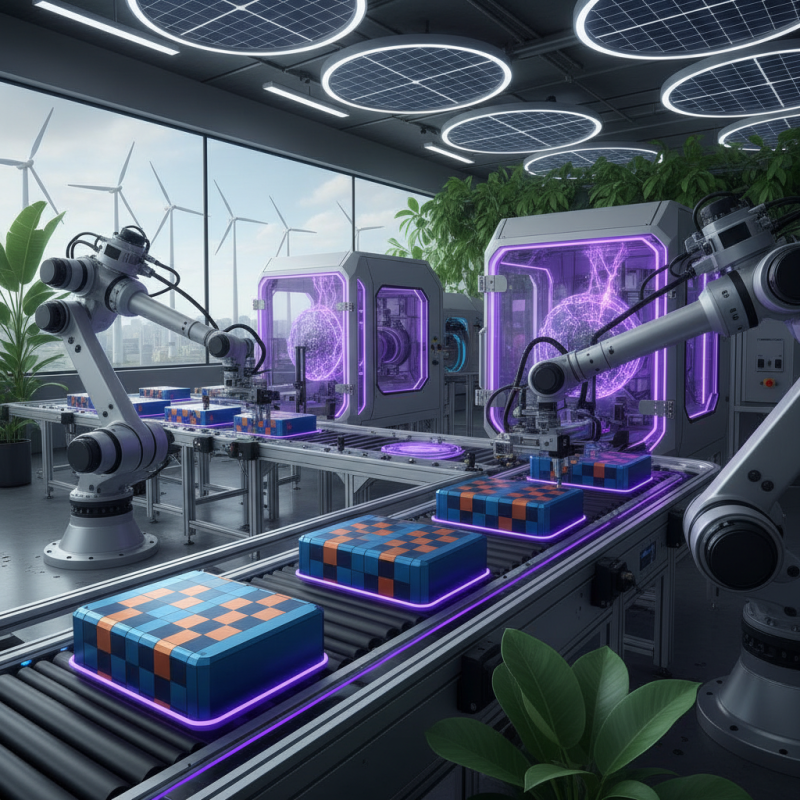
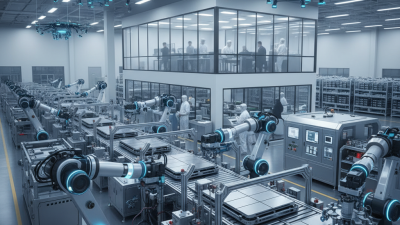
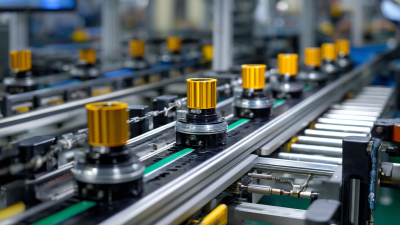
Automation in production lines is also a key innovation. Streamlined processes reduce human error and enhance precision. Robots handle tasks like cell assembly and quality control. Yet, reliance on automation raises concerns about flexibility. A rigid system might struggle to adapt to new material techniques. Manufacturers must consider the trade-offs carefully. Balancing automation and adaptability will be crucial for future success.
Challenges and Opportunities in Scaling Up Sodium-Ion Battery Pilot Lines
Sodium-ion batteries (SIBs) are gaining traction as a promising alternative to lithium-ion technology. They present unique opportunities, especially in addressing resource scarcity. However, scaling up manufacturing pilot lines poses several challenges that demand attention. According to a recent report by an industry analyst, current production costs for sodium-ion batteries remain higher than those for lithium-ion batteries, largely due to raw material sourcing and processing complexities.
One major hurdle is the energy density of sodium-ion batteries, which typically lags behind lithium-ion. Enhanced research efforts are needed to improve performance. Additionally, production processes require optimization to ensure cost-effectiveness. For instance, transitioning from lab-scale innovations to commercial-scale production can lead to increased defect rates. An estimated 10-20% of materials may be wasted during pilot runs if strict quality controls are not instituted.
Moreover, the supply chain for sodium-ion components remains underdeveloped. Establishing reliable suppliers is crucial to mitigate potential bottlenecks. A survey indicated that 52% of industry leaders cite supply chain issues as a significant barrier to scaling. Collaborations with research institutions could expedite solutions, yet many firms are hesitant to invest in this area. Balancing immediate production needs with long-term research goals remains an ongoing concern within the sector.
Future Trends in Sodium-Ion Battery Manufacturing and Market Adoption
The sodium-ion battery market is witnessing significant developments. New pilot lines are emerging, driving innovations in manufacturing processes. According to the latest industry reports, sodium-ion batteries could reduce costs by up to 30% compared to lithium-ion alternatives. This makes them an attractive option for various applications, particularly in energy storage.
Future trends indicate a growing market adoption for sodium-ion technology. Analysts predict that by 2025, the market could reach a valuation of $5 billion. This growth is fueled by increasing demand for renewable energy solutions. More manufacturers are focusing on scalable production methods, enhancing technology reliability and performance.
Challenges remain in achieving the same energy density as lithium-ion batteries. Research efforts are ongoing to improve cycle life and efficiency. With advancements in materials and production techniques, some experts remain optimistic. But, the path to widespread adoption will require overcoming these technical barriers. Industry stakeholders are urged to reflect on these challenges as they navigate the evolving landscape.
Top Sodium-Ion Battery Manufacturing Pilot Line Insights
| Dimension |
Value |
| Pilot Line Capacity (MWh/year) |
1000 |
| Estimated Production Cost ($/kWh) |
80 |
| Cycle Life (Number of Cycles) |
3000 |
| Energy Density (Wh/kg) |
120 |
| Manufacturing Lead Time (Months) |
6 |
| Market Adoption Rate (%) |
15 |
| Key Applications |
Electric Vehicles, Grid Storage |

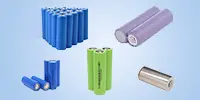
 Cylindrical Cell Machine Line
  18650 Battery Pilot Line
  Pouch Cell Lab. Line
  Prismatic Cell Machine Line
 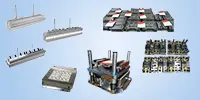 Spare Part




 Phone
Phone Send Email
 whatsapp
 Facebook
 Youtube