Top Integrated Calendering And Slitting Machine Features and Benefits?
Integrated Calendering And Slitting Machines are crucial in various manufacturing processes. Their features enhance efficiency and precision. In today’s competitive market, these machines have become essential tools for industries such as textiles and packaging.
The integration of calendering and slitting processes streamlines production. This leads to reduced waste and improved product quality. Such machines can handle different materials, making them versatile. Users often report better throughput and fewer operational issues. However, investment decisions should consider maintenance and training needs.
Understanding the key benefits of Integrated Calendering And Slitting Machines helps in making informed choices. While they offer many advantages, challenges do exist. The technology is constantly evolving. Therefore, companies must remain adaptable and continuously evaluate machine performance. Balancing benefits with potential drawbacks is vital for success.
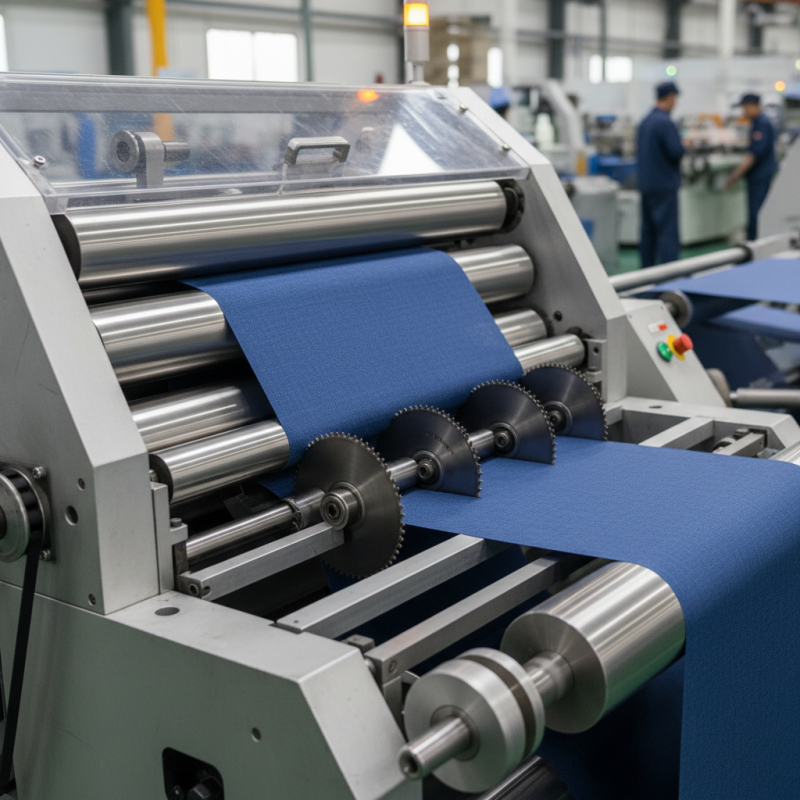
Key Features of Integrated Calendering and Slitting Machines
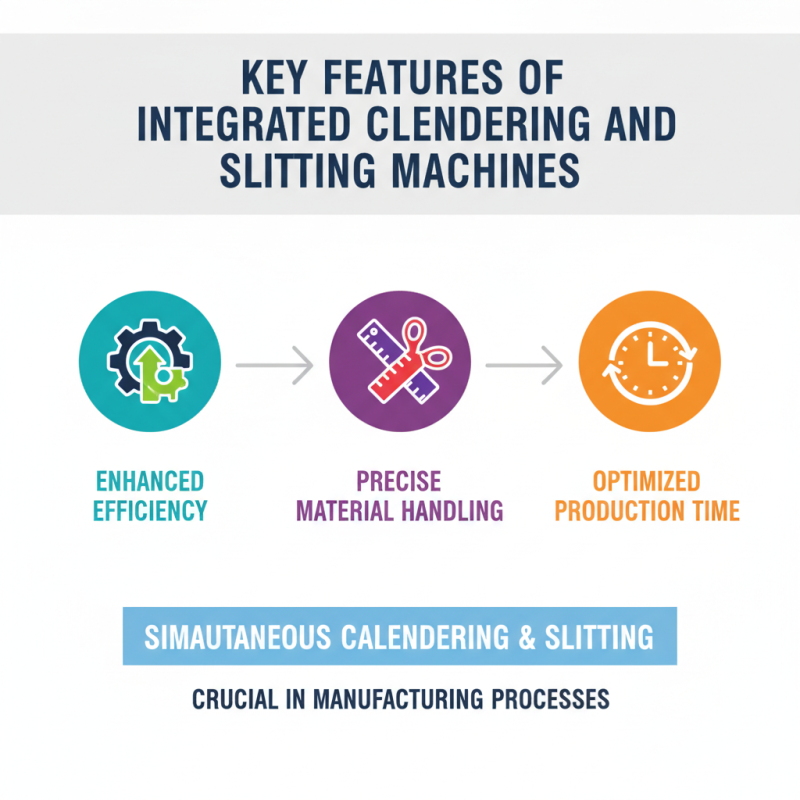
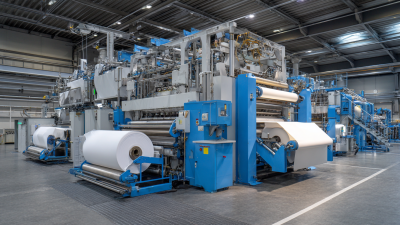
Integrated calendering and slitting machines are crucial in manufacturing processes. These machines provide a range of benefits including enhanced efficiency and precise material handling. The design allows for simultaneous calendering and slitting, optimizing production time.
One key feature is the adjustable roller configuration. This allows for the customization of thickness and texture, which is essential for various applications. Additionally, the machines typically offer user-friendly controls. Operators can quickly learn settings, yet some may find the initial configuration challenging. A balance between customization and simplicity is necessary.
The integration of advanced monitoring systems is another essential aspect. These systems enable real-time tracking of material quality. However, maintaining the reliability of these systems requires regular calibration and maintenance, which some operations may overlook. Proper training for staff can mitigate this risk, ensuring the machines operate at peak performance.
Advantages of Integrated Systems in Manufacturing Processes
Integrated systems have become essential in modern manufacturing. These systems streamline processes, resulting in increased efficiency. By combining calendering and slitting operations, manufacturers can reduce setup times and material waste. This consolidation leads to cost savings and shorter production cycles.
A critical advantage of integrated systems lies in their adaptability. These machines can handle various materials and thicknesses with minimal adjustments. This flexibility is crucial for manufacturers facing fluctuating market demands. Operators easily switch between tasks, maintaining productivity. However, this adaptability can also pose challenges. It requires continuous training and skill development for staff to maximize the system's potential.
Furthermore, integrated systems enhance data collection and process monitoring. Real-time analytics allow manufacturers to identify bottlenecks quickly and adjust operations as needed. Ultimately, this data-driven approach contributes to higher product quality and consistency. Yet, reliance on technology makes regular maintenance and updates essential. Finding the right balance between automation and human oversight remains a significant consideration for manufacturers.
Top Integrated Calendering And Slitting Machine Features and Benefits
| Feature |
Description |
Benefits |
| Integrated Design |
Combines calendering and slitting in a single system. |
Reduces floor space requirements and setup time. |
| Advanced Control Systems |
Features programmable logic controllers for precise operation. |
Enhances product quality and minimizes waste. |
| High-Speed Operation |
Capable of operating at high speeds without compromising quality. |
Increases productivity and reduces cycle times. |
| User-Friendly Interface |
Easy-to-navigate touchscreen controls. |
Simplifies training and reduces operation errors. |
| Energy Efficiency |
Designed to minimize power consumption. |
Lowers operational costs and environmental impact. |
| Versatile Material Handling |
Accommodates a wide range of materials and thicknesses. |
Increases flexibility to meet diverse production needs. |
Technical Specifications and Performance Metrics
When considering an integrated calendering and slitting machine, the technical specifications and performance metrics play a vital role. These machines typically feature a range of adjustable roller diameters, often between 300mm and 600mm, allowing for versatility in processing materials like films and foils. Data from industry reports indicate that machines with higher pressure ratings, up to 100 bar, can significantly enhance the quality of the finished products.
Additionally, the operational efficiency of these machines is crucial. Many models boast a processing speed of around 300 meters per minute. This high throughput can improve overall production rates. However, achieving such speeds may lead to wear and tear if not managed properly. Maintenance schedules can be more intensive, requiring periods of downtime that offset potential gains.
Energy consumption is another critical factor. Modern machines are designed with energy efficiency in mind, aiming for a reduction of up to 30% compared to older models. However, achieving this efficiency often requires an initial investment in advanced technology and training. Industry analysis suggests that organizations must carefully assess their ROI against these long-term savings to justify such decisions.
Top Integrated Calendering And Slitting Machine Features and Benefits
Maintenance and Operational Efficiency Benefits
Maintaining integrated calendering and slitting machines is crucial for operational efficiency. Regular maintenance tasks include lubricating moving parts, checking alignment, and monitoring temperature levels. Proper maintenance can extend the machine's lifespan and improve output quality. A well-maintained machine runs smoothly, reducing downtime and production delays.
Operational efficiency benefits greatly from user training. Skilled operators can quickly identify issues before they escalate. This proactive approach can save both time and money. Additionally, adopting a routine maintenance schedule helps in preventing unexpected breakdowns. However, some facilities may overlook the importance of routine checks, leading to inefficiencies. The balance between production goals and machine upkeep is often challenging.
It's also vital to keep track of machine performance metrics. Regular analysis can highlight areas needing improvement. For instance, a slight decrease in production speed may indicate an underlying issue. Identifying such problems early can enhance overall productivity. Continuous improvement is essential in manufacturing. It helps in maintaining high standards while minimizing costs. Ignoring these aspects can lead to larger issues down the line.
Applications and Industry Use Cases of Calendering and Slitting Machines
Calendering and slitting machines play a crucial role in various industries. They are essential in the production of flexible materials, especially in textiles, packaging, and rubber industries.
According to a recent industry report, the global market for calendering machines is expected to grow at a CAGR of over 5% from 2023 to 2028.
This growth is driven by increasing demand for high-quality materials with uniform thickness.
In the textile sector, calendering processes improve fabric smoothness and finish. This enhances not only aesthetic appeal but also functionality. In packaging, these machines create films that are consistently thin and durable.
The rubber industry benefits by producing products that require stringent thickness tolerances. Industries are increasingly adopting automation in these processes. This reduces labor costs and enhances efficiency.
Tip: Regular maintenance of these machines ensures optimal performance. Neglect can lead to inefficiencies or defects. Operators should be trained to recognize early signs of wear and tear. Keeping a close eye on production metrics helps identify areas for improvement.

 Cylindrical Cell Machine Line
 18650 Battery Pilot Line
 Pouch Cell Lab. Line
 Prismatic Cell Machine Line
 Spare Part



 Phone
 Send Email
 whatsapp
 Facebook
 Youtube