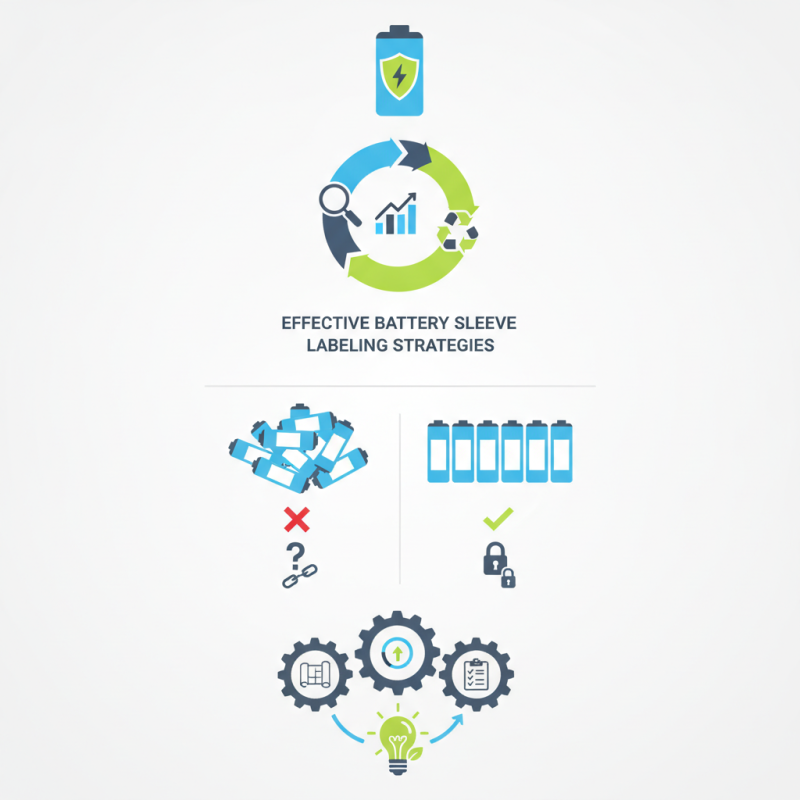
Top Tips for Effective Battery Sleeve Labeling Strategies?
Effective battery sleeve labeling is crucial for the safe handling and identification of batteries. Clear labeling helps avoid accidents and ensures proper recycling. It provides essential information about battery type, capacity, and safety warnings. Yet, many overlook the importance of this simple task.
In the fast-paced world of manufacturing and logistics, battery sleeve labeling can be an afterthought. However, poor labeling can lead to confusion and risks in battery management. A lack of standardization often complicates things further. Businesses must reflect on their current practices and consider improvements for the sake of safety and efficiency.
Embracing effective battery sleeve labeling strategies can yield significant benefits. It enhances traceability and promotes accountability among teams. Additionally, these strategies help maintain compliance with safety regulations. Focusing on this area reveals not only gaps in current processes but also opportunities for advancement. Companies that invest time in refining battery sleeve labeling will likely see positive outcomes in the long run.
Understanding the Importance of Battery Sleeve Labeling
Battery sleeve labeling is crucial for safety and efficiency. Proper labels help users identify battery types and specifications quickly. This minimizes mishaps during usage. Clear identification is not just about convenience. It can prevent accidents that may arise from using incompatible batteries.
Inadequate labeling can lead to serious issues. Users may insert incorrect batteries, causing device damage or even hazards. Labels should include essential details like voltage and chemical composition. It's wise to use high-contrast colors and legible fonts. However, ensuring all labels are consistently clear can be a challenge.
Regularly reviewing labeling strategies is important. Mistakes can happen, and outdated information can slip through. Investing time in refining this process can enhance user trust. Proper labeling might seem minor, but its impact on safety and efficiency is significant. It is a task that requires ongoing attention and improvement.
Choosing the Right Materials for Durable Labels
When selecting materials for battery sleeve labeling, durability is paramount. Labels encounter harsh conditions, from temperature fluctuations to exposure to chemicals. A study by the Adhesive and Sealant Council indicates that labels made with durable synthetic materials can last up to five years in extreme environments. For instance, polyester and vinyl provide excellent resistance to tearing and fading.
In recent years, the demand for durable labeling has risen significantly. According to the Technical Association of the Pulp & Paper Industry, the use of high-performance adhesives has seen a 20% increase since 2020. Labels must adhere effectively to surfaces, even when exposed to moisture or oil. For more robustness, consider choosing materials that offer resistance to UV light and abrasion.
While many businesses prioritize cost over quality, investing in high-quality materials pays off. Lower-quality labels can peel, fade, or become illegible. A survey conducted by the Labeling Industry Global Organization found that 30% of companies faced issues with unreadable labels, leading to mislabeling incidents. This not only affects safety but can also incur significant costs in product recalls and damaged reputation. Companies must weigh short-term savings against long-term reliability when choosing labeling materials.
Top Tips for Effective Battery Sleeve Labeling Strategies
| Label Material |
Durability |
Resistance to Elements |
Adhesion Quality |
Printable Surface |
| Polypropylene |
High |
Moderate |
Excellent |
Yes |
| Vinyl |
Very High |
High |
Good |
Yes |
| Paper |
Low |
Low |
Fair |
Yes |
| Polyester |
High |
Very High |
Excellent |
Yes |
| BOPP |
Medium |
Moderate |
Good |
Yes |
Designing Clear and Compliant Label Content
Labeling battery sleeves effectively is vital for compliance and clarity. The design must convey
essential information, including safety warnings and usage instructions. According to the International Electro-technical Commission,
proper labeling can reduce accidents by up to 30%. Compliance with local regulations
is crucial. Many manufacturers overlook the importance of clear, standardized formats. Consumers benefit from easily readable labels.
When designing label content, prioritize legibility. Use large fonts and high-contrast colors.
These choices improve visibility in various environments. Keep text concise. Users often skim information. Very few have the time to
read long paragraphs. Use clear icons to represent safety information. A strong visual can communicate
effectively in seconds.
Additionally, consider digital labels and QR codes. These options allow users to access detailed
manuals or safety data online. However, some consumers may struggle with technology. Providing both digital and traditional formats
can help bridge this gap. Regularly review label content to ensure it remains accurate and compliant.
Engage stakeholders for feedback; this can highlight areas needing improvement.
Implementing Efficient Labeling Processes
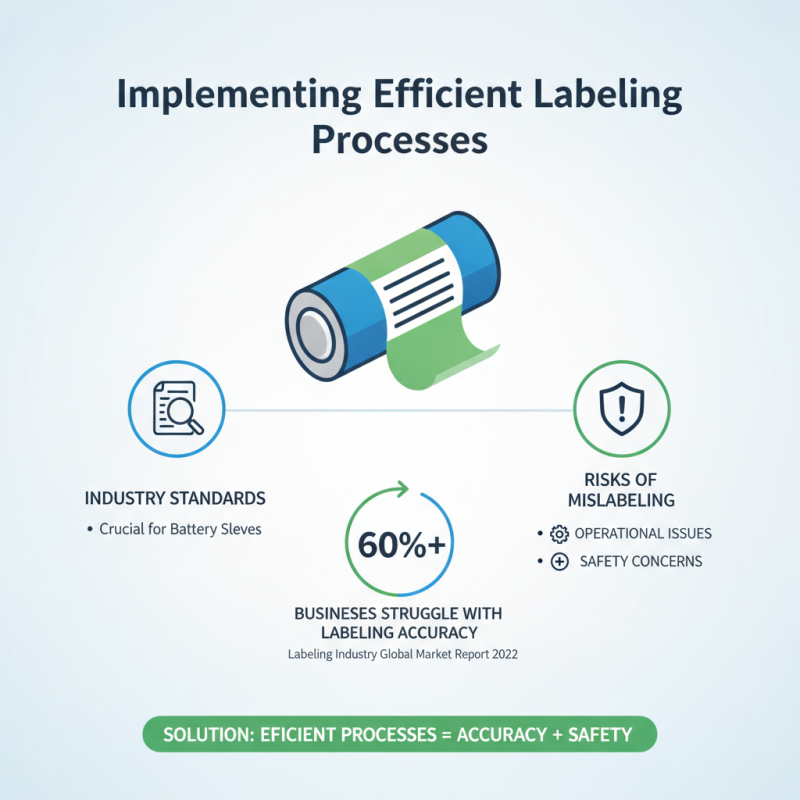
Implementing efficient labeling processes for battery sleeves requires a keen understanding of industry standards. According to a report by the Labeling Industry Global Market Report 2022, over 60% of businesses face challenges in maintaining labeling accuracy. This is crucial, as mislabeling can lead to significant operational issues and safety concerns.
One effective strategy is to adopt a streamlined labeling workflow. This involves utilizing digital labeling systems to minimize human error. The global labeling market is expected to reach $45 billion by 2025, emphasizing the need for precision. Regular audits of labeling processes can reveal areas of improvement, ensuring that all labels meet regulatory requirements. Companies must remain vigilant and regularly update their labeling strategies based on new regulations or market changes.
Training staff is another important aspect. Many organizations overlook the ongoing education employees need regarding labeling technologies and regulations. A recent study indicated that companies with training programs have 40% fewer labeling errors. Continuous improvement and feedback loops can help refine processes, making labeling more efficient and reliable. Encouraging a culture of accountability can drive better practices in labeling, enhancing overall organizational performance.
Monitoring and Updating Labeling Practices Regularly
Monitoring and updating labeling practices is crucial in ensuring effective battery sleeve labeling. Regular evaluations help identify outdated information. It's easy to overlook details, but labels must be clear and accurate. These labels often guide safe usage, ensuring users understand the important information.
Updates should be systematic. Assign regular intervals for reviews, whether quarterly or biannually. Incorporate feedback from users to improve clarity and functionality. Documenting changes in real-time can help track what works. An inconsistent approach can lead to confusion among users, impacting safety.
It's also vital to assess compliance with current regulations and industry standards. Regulations can change, leaving outdated labels as potential liabilities. Teams need to stay informed about regulations. Feedback loops should be established to promote continuous improvement. Engaging stakeholders in this process can lead to better labeling practices. Reflections on past practices can reveal areas for growth, fostering a culture of accountability.

 Cylindrical Cell Machine Line
 18650 Battery Pilot Line
 Pouch Cell Lab. Line
 Prismatic Cell Machine Line
 Spare Part








 Phone
 Send Email
 whatsapp
 Facebook
 Youtube