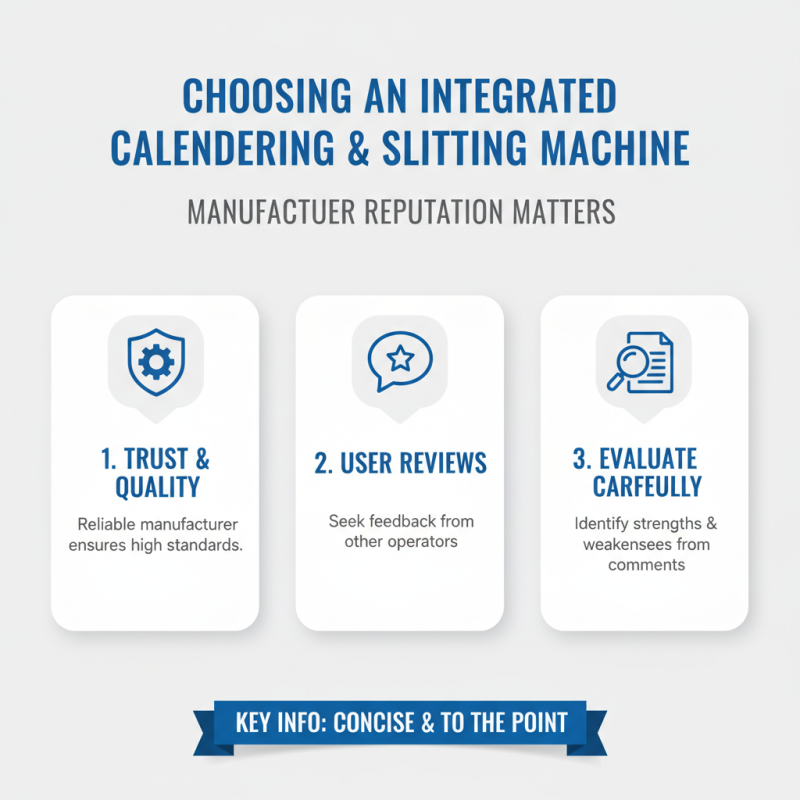
How to Choose the Right Integrated Calendering and Slitting Machine?
The selection of an appropriate Integrated Calendering and Slitting Machine is critical for manufacturing efficiency. In recent years, the global demand for high-quality calendared products has increased significantly. According to industry reports, the market for calendering equipment is expected to grow at a CAGR of over 5% through 2025. This rise is attributed to the diverse applications of calendared materials across various sectors.
Choosing the right machine involves understanding specific production needs. A well-suited Integrated Calendering and Slitting Machine can enhance operational efficiency and material quality. However, many manufacturers struggle with this choice. Factors such as machine size, speed, and capabilities play significant roles in the decision. Overlooking these aspects may lead to inefficiencies or production bottlenecks.
Potential buyers should reflect on the technology used in these machines. High-quality models often offer advanced features, but they come at a higher cost. Balancing budget and performance can be challenging. Ultimately, investing in the right Integrated Calendering and Slitting Machine is crucial for meeting market demands effectively.
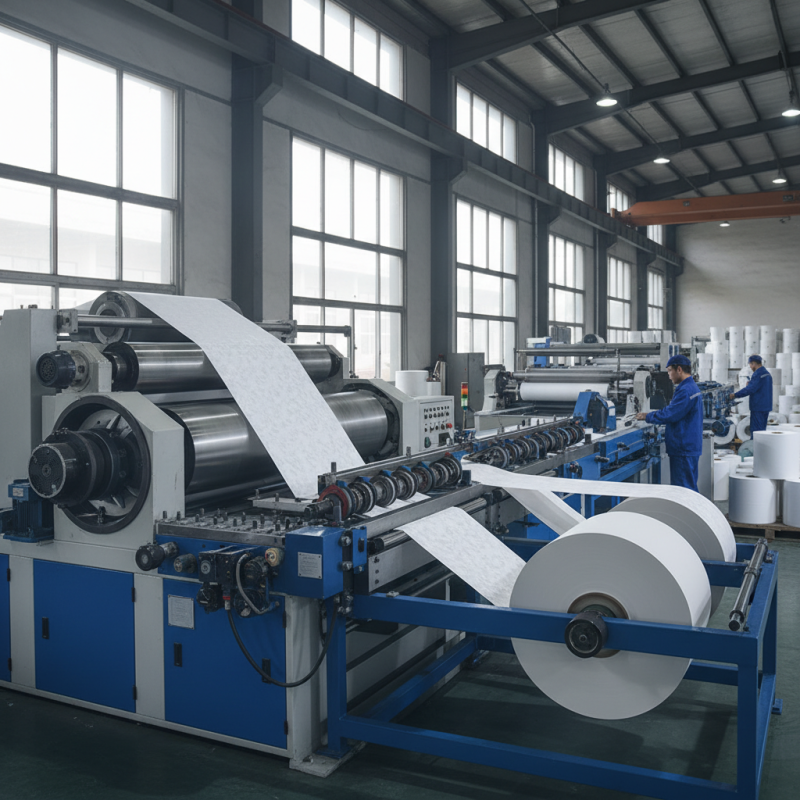
Understanding Integrated Calendering and Slitting Machines
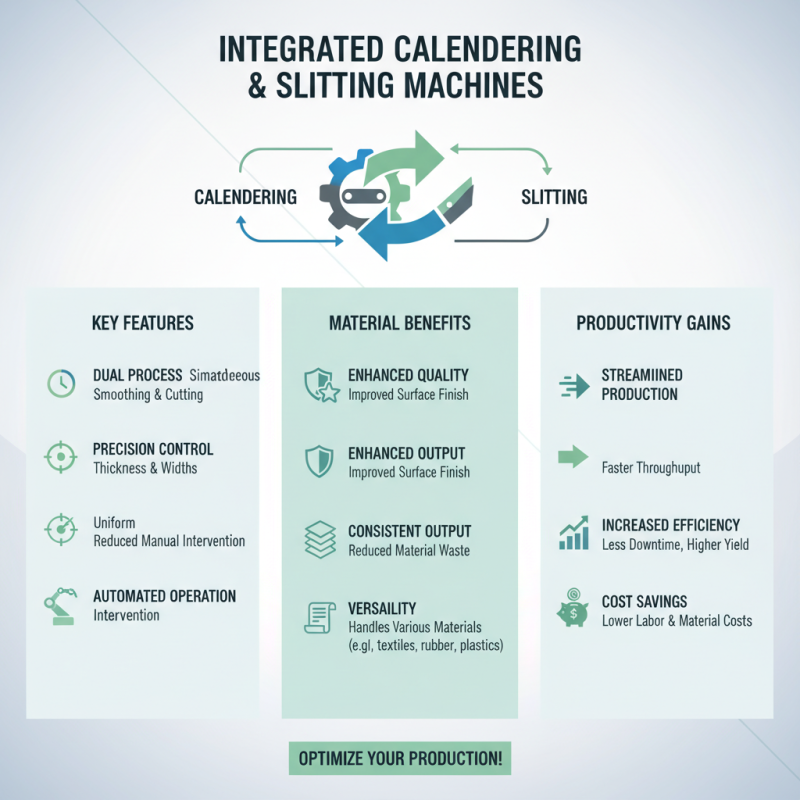
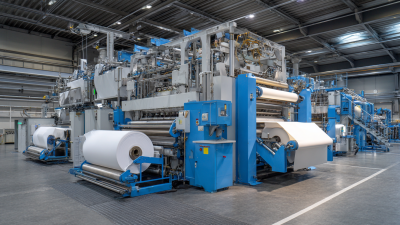
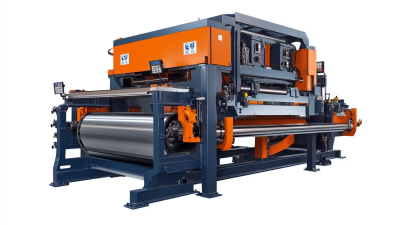
When it comes to integrated calendering and slitting machines, understanding their features is crucial. These machines are designed to streamline production, enhance the quality of materials, and improve efficiency. Calendering smooths and compresses materials while slitting divides them into specified widths. This synergy can lead to significant productivity gains.
Choosing the right machine involves considering the material type. Different materials require different settings. For example, thicker materials may need more pressure during calendering. Performance also hinges on machine speed and precision. It's essential to match the machine’s capabilities with your production demands.
**Tips:** Always review the specifications carefully. User feedback can illuminate hidden issues. Conduct trials if possible. Inspect maintenance requirements as well. A more complex machine might need skilled operators. Define your operational goals clearly—this can guide you toward the right choice. Pay attention to your workspace; some machines require significant floor space. The balance between size and capability can complicate decisions.
Key Factors to Consider When Choosing a Machine
Choosing the right integrated calendaring and slitting machine involves several key factors. One of the most critical aspects is the type of material you will be processing. Different materials require different temperature and pressure settings. For instance, heavier materials may need more powerful calendering units. You should consider the thickness and consistency of your materials. They directly affect the machine's efficiency and the quality of output.
Speed and productivity are also vital. An ideal machine should balance speed with quality. Too much speed can compromise the final product. It’s essential to choose a machine that meets your production volume while still maintaining high standards.
Additionally, pay attention to maintenance requirements. Some machines require more frequent servicing, which can affect downtime. Investing in a machine that’s easy to maintain can save time and costs.
Finally, think about the machine's versatility. Different applications may arise, so having a machine that can adapt is beneficial. If a machine is too specialized, it might not meet future needs. Reflect on how often you may need to switch between different tasks. This adaptability can influence your overall productivity in the long term.
Comparing Different Types of Calendering and Slitting Technologies
When selecting an integrated calendering and slitting machine, understanding the different technologies can significantly impact your decision. Calendering involves rolling materials to achieve the desired thickness and smoothness. Various methods exist, including heated and cooled rollers, which can affect the material properties differently. Heated rollers are ideal for softer materials, while cooled rollers are better for enhancing rigidity.
Slitting technologies also vary widely. Rotary slitting provides precision for thin materials but may not work well with thicker options. In contrast, flatbed slitting can handle a wider range of thicknesses but may sacrifice some accuracy. It’s important to weigh the pros and cons of each method carefully. Each has its strengths and weaknesses that may not suit all production needs.
Additionally, consider the maintenance aspects of the machines. Some technologies may require more frequent checks and adjustments. Operating costs can mount quickly if maintenance is overlooked. Reflecting on these aspects can help ensure you choose a machine that fits your specific production goals while also considering long-term reliability.
How to Choose the Right Integrated Calendering and Slitting Machine?
| Machine Type |
Calendering Technology |
Slitting Technology |
Best For |
Production Speed (m/min) |
Material Compatibility |
| Type A |
Roll-to-Roll |
Tension Control |
Textiles |
30 |
Polyester, Cotton |
| Type B |
Hot Calendering |
Laser Slitting |
Synthetic Media |
50 |
Nylon, Polyester |
| Type C |
Cold Calendering |
Rotary Slitting |
Paper and Foil |
25 |
Paper, Aluminum Foil |
| Type D |
Continuous Calendering |
Shear Slitting |
Non-woven Fabrics |
40 |
Polypropylene, Polyester |
Cost vs. Performance: Making the Right Investment Decision
When investing in an integrated calendering and slitting machine, performance and cost must be weighed carefully. High-performance machines often come with a price tag. However, cheaper options may struggle with efficiency and quality. This balance is crucial for long-term success.
Investing in a reliable machine should not be solely about upfront costs. Consider the operating expenses, maintenance requirements, and potential downtime. A lower initial cost might lead to higher operational costs over time. It’s essential to calculate total cost of ownership to get a clearer picture.
**Tips:** Look for user reviews and case studies before making your purchase. This can help in assessing real-world performance and satisfaction. Additionally, establish a budget but remain flexible. Sometimes, spending a bit more leads to improved outcomes. Think about future production needs too; will the machine handle increased demand? Keep learning from industry trends to avoid falling behind.
Cost vs. Performance of Integrated Calendering and Slitting Machines

 Cylindrical Cell Machine Line
  18650 Battery Pilot Line
  Pouch Cell Lab. Line
  Prismatic Cell Machine Line
  Spare Part


 Phone
Phone Send Email
 whatsapp
 Facebook
 Youtube