China Top 26650 Battery Pilot Line Innovations and Industry Impact?
The launch of the 26650 Battery Pilot Line in China marks a pivotal moment for the battery industry. This innovative pilot line aims to enhance production efficiency and quality, catering to the growing demand for high-capacity batteries. According to recent market reports, the global lithium-ion battery market is projected to exceed $100 billion by 2028. With an emphasis on sustainability, the pilot line seeks to minimize waste and energy consumption.
Experts in the energy sector highlight that the 26650 battery format offers significant advantages. These batteries provide higher energy density and longer life cycles compared to traditional formats. However, challenges remain in scaling production methods while maintaining quality standards. The integration of advanced manufacturing technologies and real-time data analytics could address these concerns.
While the 26650 Battery Pilot Line promises advancements, industry stakeholders must remain vigilant. Ongoing evaluation of production processes is essential. It is crucial to monitor environmental impacts and ensure compliance with regulations. As the market evolves, continued innovation and collaboration will determine the success of this initiative.
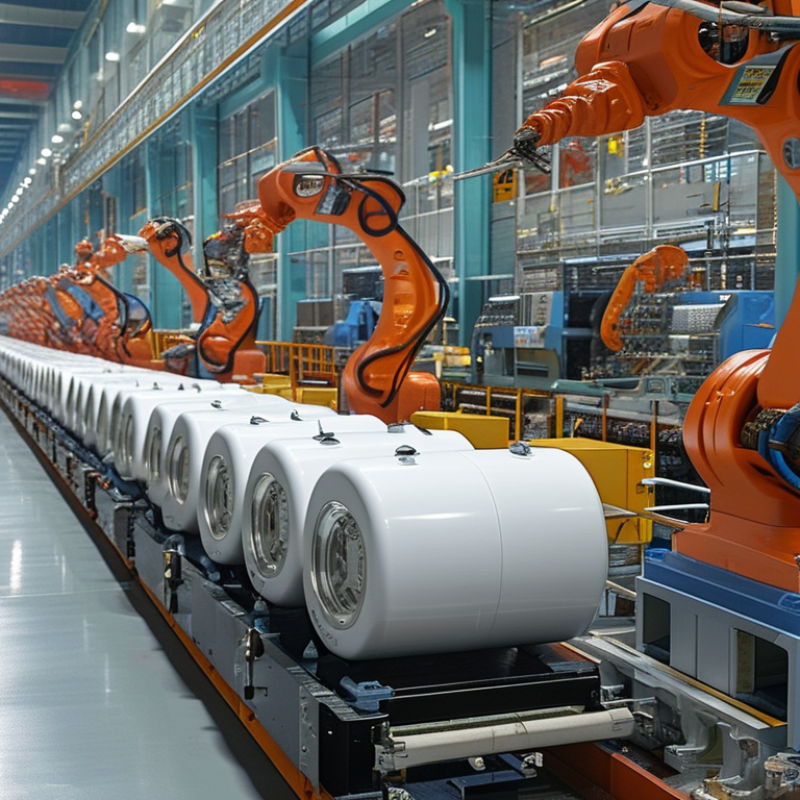
Overview of the 26650 Battery Technology and Its Applications
The development of 26650 battery technology has gained significant attention in recent years. These batteries have a larger form factor compared to traditional cylindrical cells, allowing for higher capacity and improved performance. With a capacity of up to 5,000 mAh, the 26650 battery is ideal for various applications, including energy storage systems and high-drain devices.
One major advantage of 26650 batteries is their efficiency. They tend to deliver higher energy density, which is crucial for applications requiring long-lasting power. This technology is especially beneficial in electric vehicles and renewable energy systems. However, challenges remain in their production and scalability. Balancing cost and performance is vital for wider adoption in the industry.
Tips: Consider the environmental impact when using these batteries. Proper recycling and disposal are crucial for sustainability. It’s worth noting that while 26650 batteries offer many benefits, users should be aware of safety precautions when handling them. Always monitor temperature and avoid overcharging. Understanding these factors can lead to better utilization of this innovative technology.
Key Innovations in China's 26650 Battery Pilot Line Development
China's 26650 battery pilot line represents a significant advancement in energy storage technology. This new production method focuses on enhancing efficiency and reducing costs. By leveraging innovative materials and automated processes, the pilot line aims to produce batteries with higher energy density. Recent data indicates that the global 26650 battery market is projected to reach $5 billion by 2026, expanding at a CAGR of over 15%. This growth demonstrates the increasing demand for efficient energy solutions.
One key innovation is the use of advanced cathode materials. These materials not only improve battery performance but also increase lifespan. Moreover, machine learning algorithms optimize production processes. They help in identifying defects early, ensuring better quality control. However, challenges remain in scaling these innovations. The industry must address supply chain issues and environmental impacts during production.
Tips: Always monitor industry reports for the latest trends. Engaging with expert analyses can provide deeper insights. The fluctuation in raw material costs is one area to watch closely. Understanding these nuances is vital for anyone invested in battery technology.
China Top 26650 Battery Pilot Line Innovations and Industry Impact
| Innovation Type |
Description |
Impact on Industry |
Date of Implementation |
| Advanced Materials |
Utilization of silicon-based anodes |
Increased energy density and capacity |
2022 |
| Fast Charging Technology |
Implementation of ultra-fast charging capabilities |
Reduced charging times significant for EV market |
2023 |
| AI Optimization |
Use of AI for manufacturing process optimization |
Improved efficiency and reduction in production costs |
2023 |
| Recycling Technology |
Development of advanced battery recycling processes |
Sustainable disposal and recovery of materials |
2021 |
| Safety Innovations |
Enhanced battery management systems for safety |
Increased reliability for consumer and industrial applications |
2023 |
Impact of 26650 Battery Production on China's Energy Sector
The production of 26650 batteries is transforming China's energy landscape. Recent reports indicate that these batteries offer significant advantages in energy density and longevity compared to traditional lithium-ion batteries. The capacity of 26650 cells exceeds 5000mAh, enabling longer operational hours for energy-intensive applications. This innovation is pivotal for sectors such as electric vehicles and renewable energy storage.
China's government promotes advanced battery technologies. This initiative supports a cleaner energy transition, aiming to reduce carbon emissions. In 2022, over 50% of global battery production originated from China, highlighting its dominance. However, challenges persist in recycling and sustainability. Efficient disposal and reuse of materials remain critical to mitigate environmental impacts.
The growth of the 26650 battery production also brings competitive pressures. Companies must innovate continuously to maintain market share. They face potential supply chain vulnerabilities due to global material shortages. Addressing these issues requires a collaborative approach across industries. Promoting research and investment in sustainable practices will be crucial for future advancements in this sector.
Impact of 26650 Battery Production on China's Energy Sector
Challenges and Opportunities in the 26650 Battery Industry
The 26650 battery industry is experiencing significant challenges and opportunities. In 2023, the global demand for 26650 batteries is projected to grow by over 15%. This surge is due to increased applications in electric vehicles and renewable energy storage. However, existing manufacturing processes are often inefficient. Many companies face production bottlenecks that hinder scalability.
Innovation in the pilot lines for 26650 batteries presents both hope and hurdles. Advanced technologies can enhance energy density and reduce charge times. According to industry reports, improving the battery’s lifecycle by just 10% can boost its market competitiveness. However, the need for skilled workforce training remains. Many organizations are struggling to find personnel with the right expertise in advanced manufacturing techniques.
Environmental concerns also play a significant role. The production of 26650 batteries generates substantial waste. Stricter regulations and sustainability initiatives create a dilemma for manufacturers. They must invest in greener technologies while managing costs. Balancing innovation with environmental responsibility is critical but challenging. The industry must reflect on these issues to ensure sustainable growth moving forward.
Future Trends and Prospects for 26650 Battery Technology in China
The 26650 battery technology in China is continually evolving. Industry reports indicate that the market for these batteries is projected to reach $3.5 billion by 2026, largely driven by the increasing demand for energy storage solutions. These batteries offer higher capacity and efficiency compared to their smaller counterparts. However, challenges remain in production scalability and cost management.
Recent innovations in pilot lines showcase advancements in manufacturing techniques. Automated processes and AI-driven quality control are now standard practice. Nevertheless, there are concerns about the sustainability of sourcing raw materials. The industry must address these environmental impacts to ensure long-term viability.
Future trends indicate a push for higher energy densities and faster charging capabilities. Reports suggest that new chemistries could potentially increase performance by 20%. Companies are exploring novel materials and designs, yet achieving these advancements consistently poses a challenge. The balance between performance targets and manufacturing realities is delicate, necessitating ongoing reflection and adaptation in practices.

 Cylindrical Cell Machine Line
  18650 Battery Pilot Line
  Pouch Cell Lab. Line
  Prismatic Cell Machine Line
  Spare Part





 Phone
Phone Send Email
 whatsapp
 Facebook
 Youtube