Explore the Benefits of 32140 Cylindrical Battery Pilot Line?
The 32140 Cylindrical Battery Pilot Line represents a significant advancement in battery manufacturing technology. This innovative facility is designed to streamline production processes and enhance product quality. With the increasing demand for efficient energy storage solutions, this pilot line is pivotal in optimizing the production of cylindrical batteries.
Investing in the 32140 Cylindrical Battery Pilot Line offers a variety of benefits. It enables manufacturers to conduct small-scale production runs while gathering valuable data. This data can lead to improvements in battery design, efficiency, and safety. Moreover, it encourages the exploration of new materials and technologies, which is crucial for staying competitive.
However, challenges do exist. The transition to advanced manufacturing processes requires skilled labor and continuous training. Additionally, there may be initial costs that some manufacturers find daunting. Reflection on these aspects can pave the way for a more effective strategy when adopting the 32140 Cylindrical Battery Pilot Line. Overall, this facility holds promise for both innovation and a more sustainable energy future.
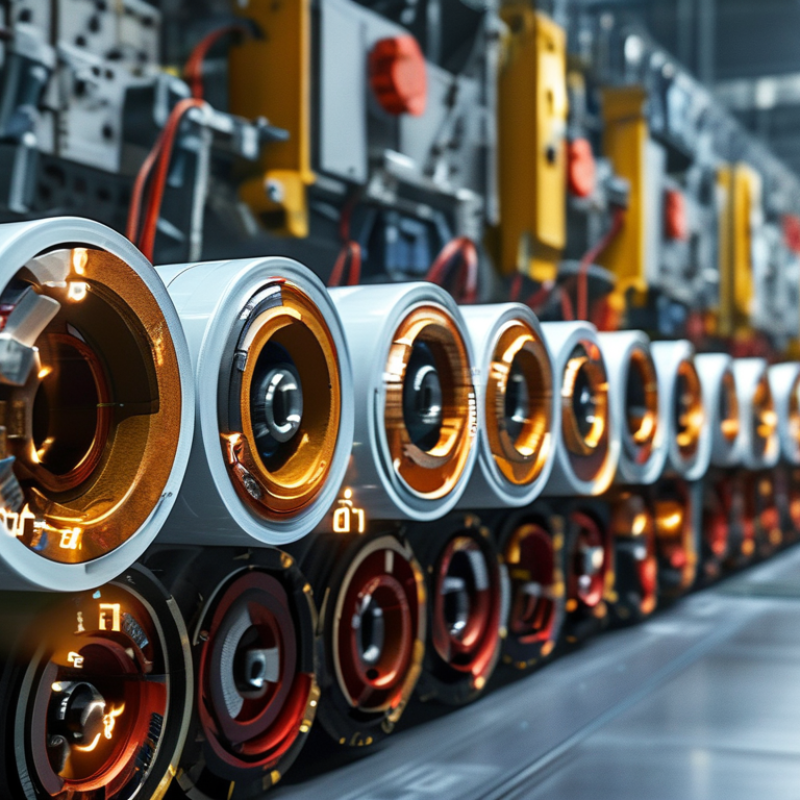
Understanding the 32140 Cylindrical Battery: An Overview
The 32140 cylindrical battery holds significant promise in the energy storage landscape. These batteries feature a compact design and efficient performance. Their cylindrical shape allows for easier packing in various devices, optimizing space and enhancing energy density. This makes them ideal for both consumer electronics and electric vehicles.
Exploring their construction, the 32140 battery typically combines advanced materials for improved longevity. This ensures reliability and stability during operation. However, challenges remain in scaling production effectively. Manufacturers must refine the supply chain and address any manufacturing inconsistencies to meet growing demand.
Real-world applications of the 32140 battery are emerging. Various industries are keen on adopting this technology. However, user experience needs ongoing evaluation. Feedback is crucial for enhancing battery design and performance. Engaging with customers on their experiences could guide future improvements and innovations in this space.
Key Advantages of the 32140 Cylindrical Battery in Applications
The 32140 cylindrical battery is gaining attention due to its advantages in various applications. This battery type supports high energy density, which enhances application efficiency. According to a recent study, cylindrical batteries like the 32140 can achieve up to 250 Wh/kg in energy density. This level is crucial for devices requiring substantial power, such as electric vehicles and portable electronics.
Durability is another key asset. The 32140 battery is designed to endure multiple charge cycles—often exceeding 500 cycles without significant capacity loss. This longevity reduces waste and can lead to lower operating costs. As reported by energy specialists, the lifecycle stability of these batteries contributes to their attractiveness in renewable energy applications.
On the flip side, manufacturing these batteries poses challenges. The production process can be complex, impacting scalability. Not all manufacturers can ensure consistent quality, which complicates supply chain logistics. Additionally, concerns related to thermal management during high-demand usage remain an area for improvement. Future innovations in battery technology may address these issues, enhancing the reliability of the 32140 cylindrical battery in real-world scenarios.
The Role of Pilot Lines in Battery Manufacturing Efficiency
Pilot lines are essential in battery manufacturing, particularly for cylindrical batteries like the 32140 model. They serve as controlled environments for testing new production processes before full-scale implementation. This step helps identify issues early, ensuring efficiency in the entire manufacturing chain. When manufacturers adopt pilot lines, they can refine their techniques and optimize yield rates.
Utilizing a pilot line allows for precise adjustments in production. This gradual approach supports innovation while mitigating risks associated with new designs or materials. However, not all pilot lines guarantee success. Some processes may need revisiting due to unforeseen challenges. Manufacturers must remain adaptable, learning from these experiences to improve overall outcomes.
Moreover, pilot lines contribute to consistency in product quality. However, achieving this consistency is not always straightforward. Variations in raw materials or equipment settings can affect results. Monitoring and refining processes is crucial to overcome these hurdles. Engaging in this iterative process builds a more robust manufacturing framework, ultimately benefiting the battery sector.
Innovations and Technologies Used in 32140 Battery Pilot Lines
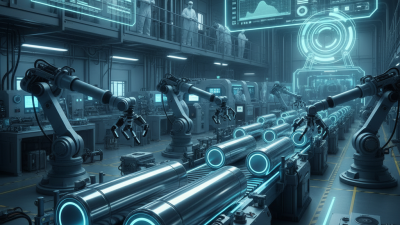
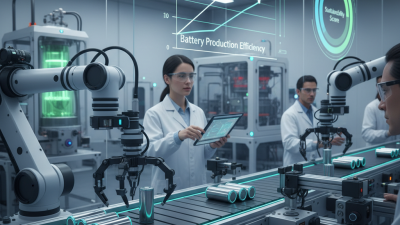
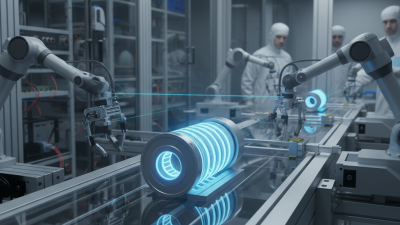
The 32140 cylindrical battery pilot line showcases cutting-edge innovations in battery technology. One standout feature is the automation of production processes. This reduces human error and enhances overall efficiency. Robotics handle intricate assembly, ensuring precise component placement. As a result, the production rate increases significantly, meeting the growing demand for batteries.
Advanced materials are also being explored in the 32140 battery pilot line. Research focuses on enhancing energy density and extending battery lifespan. While breakthroughs are promising, challenges remain in balancing performance and safety. Manufacturers continuously test new compounds to find that perfect blend. Results have been encouraging yet demand ongoing scrutiny.
The pilot line emphasizes real-time data analytics. Sensors collect data throughout production, allowing for immediate adjustments. This feedback loop improves quality control, yet it can also reveal inconsistencies demanding attention. Striking a balance between innovation and reliability is crucial. As the industry evolves, the journey toward optimum efficiency is both exciting and complex.
Explore the Benefits of 32140 Cylindrical Battery Pilot Line
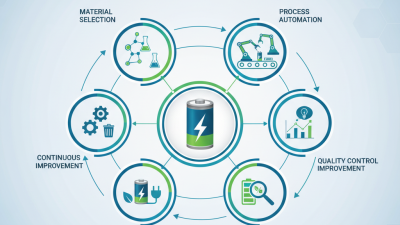
This chart illustrates the key performance metrics of the 32140 cylindrical battery pilot line. The data points highlight significant advantages in energy density, cycle life, and charging time, along with an overview of cost, showcasing the technological innovations introduced in the production process.
Future Trends in 32140 Battery Development and Sustainability
The 32140 cylindrical battery format presents significant opportunities for sustainability and technological advancement. Developing this battery type requires innovative manufacturing processes that reduce waste and energy consumption. Companies are beginning to integrate renewable energy sources into production lines, signaling a shift towards greener practices.
Looking ahead, the focus on recycling and reusing materials is gaining traction. For example, some manufacturers are exploring second-life applications for used batteries. This approach not only conserves resources but also mitigates environmental impact. However, the effectiveness of these methods still requires evaluation and improvement.
As the market evolves, consumer expectations are changing. People are increasingly demanding batteries that are both efficient and environmentally friendly. The challenge lies in balancing performance and sustainability within the confines of existing technologies. Continuous research is essential for addressing these concerns and achieving viable solutions.
Explore the Benefits of 32140 Cylindrical Battery Pilot Line
| Feature |
Description |
Benefit |
Future Trends |
| Energy Density |
High energy storage capabilities compared to other cylindrical cells. |
Longer usage times for devices without increasing size. |
Focus on optimizing energy outputs for electric vehicles and portable electronics. |
| Manufacturing Efficiency |
Streamlined pilot line processes to reduce production time. |
Lower costs and faster market readiness for new battery technologies. |
Introduction of automated systems to enhance throughput. |
| Sustainability |
Use of recyclable materials in battery construction. |
Reduced environmental impact and better compliance with regulations. |
Increasing focus on green technologies and eco-friendly solutions. |
| Safety Features |
Integrated safety systems to prevent overheating and short circuits. |
Enhanced user safety and product reliability. |
Advancements in monitoring technologies for battery health. |
| Cost-Effectiveness |
Economies of scale achieved through mass production methods. |
Lower unit costs, making batteries more accessible to consumers. |
R&D investments aimed at further reducing production costs. |

 Cylindrical Cell Machine Line
  18650 Battery Pilot Line
  Pouch Cell Lab. Line
  Prismatic Cell Machine Line
  Spare Part


 Phone
Phone Send Email
 whatsapp
 Facebook
 Youtube