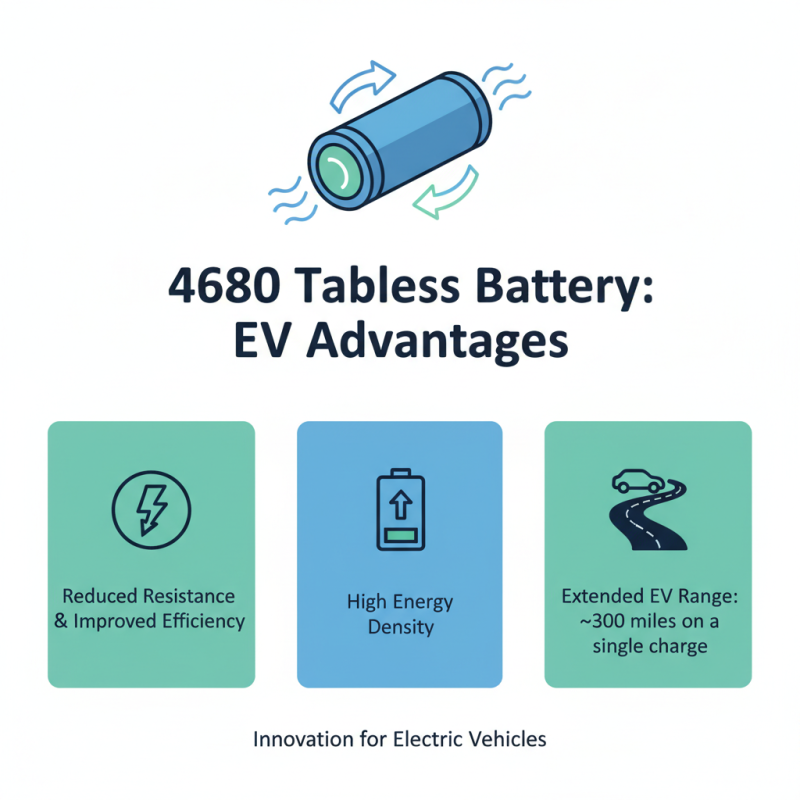
Exploring the Advantages of 4680 Tabless Battery Lab Line Technology?
The 4680 Tabless Battery Lab Line technology represents a significant leap in battery design. This innovative approach enhances energy density while reducing costs. The tabless architecture eliminates the need for traditional tabs, streamlining the manufacturing process. This change can lead to faster production times and less waste.
In the fast-paced world of battery technology, efficiency is crucial. The 4680 Tabless Battery Lab Line offers a solution with better thermal management. It promises to improve overall performance. However, challenges remain, such as scalability and initial costs. The transition to this technology requires careful planning and execution.
Investing in the 4680 Tabless Battery Lab Line can be daunting. Companies may face hurdles in production adjustments. Despite the potential benefits, real-world applications will need to be tested rigorously. These factors deserve consideration for companies eyeing the next generation of batteries.
Overview of 4680 Tabless Battery Technology
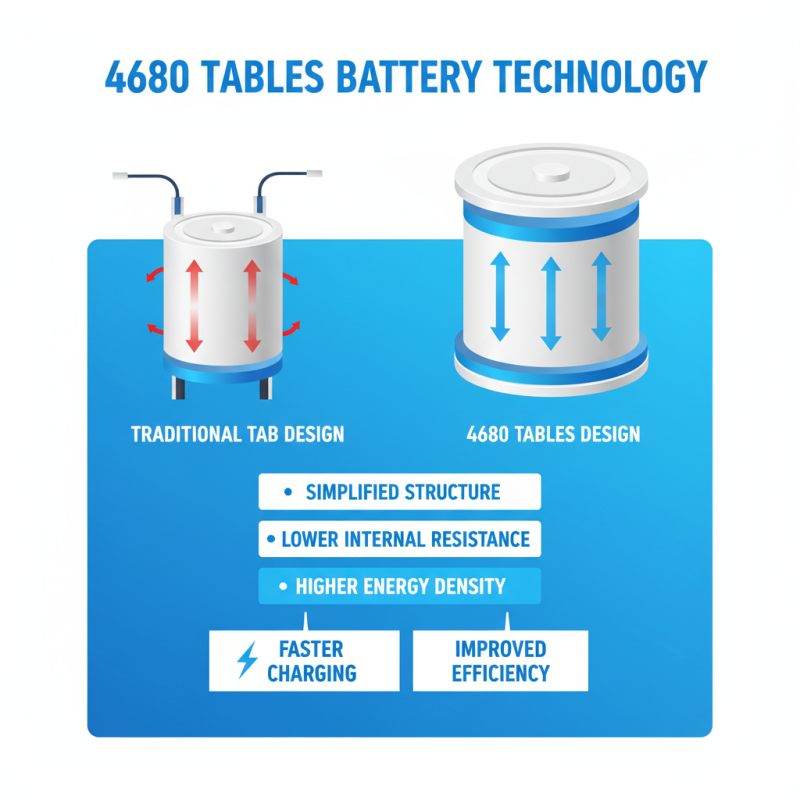
The 4680 tabless battery technology presents a significant advancement in energy storage. Traditional battery designs rely on tabs, which can hinder efficiency. The tabless design simplifies the structure by integrating multiple functions into a single layer. This reduces internal resistance and increases energy density, allowing for faster charging times.
According to industry reports, the 4680 battery cells offer up to 16% more range per watt-hour compared to standard designs. This improvement could drastically change electric vehicle performance. Additionally, tabless technology allows for easier mass production, which is crucial as demand for batteries surges. Many manufacturers aim for this streamlined production to reduce costs.
However, challenges remain. The production scale of tabless cells is still unproven. Quality control issues could arise during manufacturing. As companies explore this cutting-edge technology, they must refine their processes. Balancing innovation with reliability will be essential for future success.
Key Innovations of Tabless Battery Design
The tabless battery design introduces a groundbreaking approach to energy storage. Its innovations focus on improving efficiency and reducing complexity. By eliminating tabs, the design enhances energy flow and thermal management. This change could lead to better performance in electric vehicles and portable devices.
Tips: Consider how this innovation could impact your daily life. Look for products featuring this design in the future.
The fabrication process is simplified. Fewer components mean less time and resources spent in production. However, there are challenges. Transitioning existing production lines to this new technology may take time. Additionally, manufacturers will need to ensure reliability and safety.
Tips: Keep an eye on industry trends. Staying informed can help you understand future developments better.
The active cooling aspects of the tabless design could significantly reduce risks of overheating. However, proper testing is essential to validate these benefits. Initial gains might prompt excitement, but real-world application requires cautious evaluation. Only time will tell how effectively this technology will integrate into current systems.
Benefits of 4680 Tabless Battery Technology
Impact on Manufacturing Efficiency and Cost Reduction
The 4680 tabless battery technology introduces significant changes to manufacturing processes. This design reduces the number of components. Improvement comes from simplifying the structure. Manufacturers can expect a more straightforward production line. Streamlined processes may lead to faster output. Less complexity often results in higher reliability.
Cost reduction is another key benefit. The new battery design can decrease raw material usage. This change can lead to lower material costs. Additionally, fewer steps in assembly can save labor costs. However, transitioning to this new technology poses challenges. Existing facilities may require upgrades. Staff training and education become crucial for successful implementation.
The impact on sustainability is also noteworthy. Efficient manufacturing reduces waste. Improved energy density may enhance overall performance. Yet, the full environmental implications remain to be seen. Balancing these advancements with responsible practices is essential. Manufacturers must remain vigilant about potential oversights in the rush for efficiency.
Future Perspectives on Tabless Battery Applications
The future of energy storage looks promising with tabless battery technology. This innovation allows for more efficient energy transfer. A recent industry report states that tabless designs could improve thermal management in batteries. Better heat dissipation can enhance safety and extend battery life. With increasing demand for electric vehicles, solutions like these are essential.
Moreover, tabless batteries can boost the energy density significantly. They can achieve up to 20% more energy capacity compared to traditional designs. This can lead to longer ranges for electric vehicles. However, scalability remains a concern. Manufacturers must tackle production costs and supply chain issues.
Tips: Focus on sustainability. As the demand for greener energy sources grows, innovative battery technologies must align with environmental goals. Keeping an eye on industry trends can guide future investments. Tracking advancements and challenges in battery tech is crucial for stakeholders.

 Cylindrical Cell Machine Line
  18650 Battery Pilot Line
  Pouch Cell Lab. Line
  Prismatic Cell Machine Line
  Spare Part





 Phone
Phone Send Email
 whatsapp
 Facebook
 Youtube