What is the 32140 Cylindrical Battery Pilot Line and Its Significance?
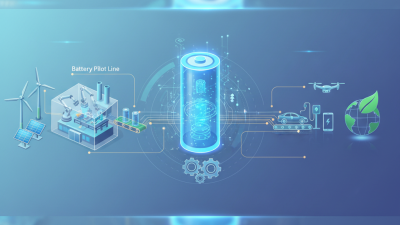
The development of the 32140 Cylindrical Battery Pilot Line marks a significant milestone in battery technology. This facility focuses on producing cylindrical batteries with enhanced efficiency and scalability. These batteries have applications in electric vehicles and renewable energy storage, addressing rising global energy demands.
Building the 32140 Cylindrical Battery Pilot Line requires careful consideration of production processes. Each step influences overall battery performance. Issues can arise during manufacturing, which may slow progress. Ensuring high quality while ramping up production is a delicate balance.
The pilot line serves as a test bed for innovations. It allows engineers to experiment with materials and designs. However, challenges often emerge that require thoughtful solutions. The results from this pilot line could reshape the future of energy storage. Continual improvement is essential for success in this competitive landscape.
Overview of the 32140 Cylindrical Battery Pilot Line
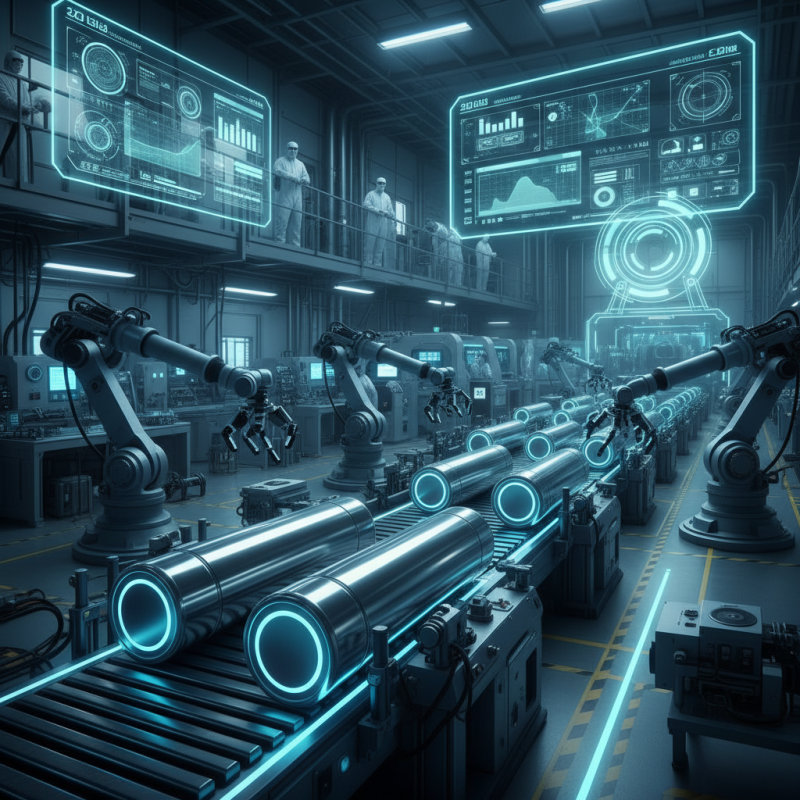
The 32140 Cylindrical Battery Pilot Line represents a significant advancement in battery manufacturing technology. This line focuses on producing cylindrical batteries with specific dimensions, enhancing energy density and performance. With the growing demand for energy storage solutions, the development of efficient production lines is crucial.
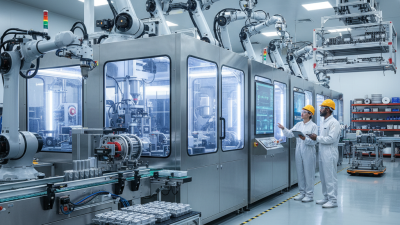
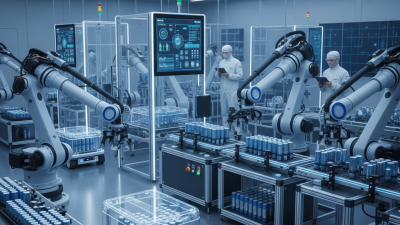
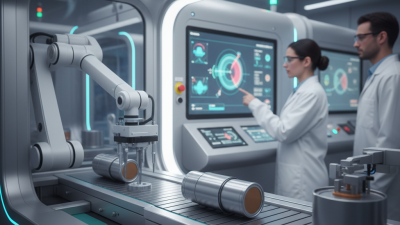
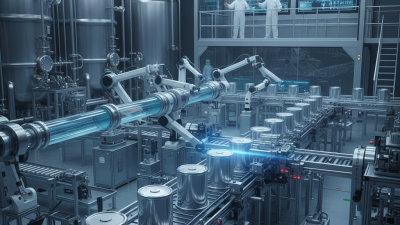
This pilot line aims to streamline the process. It combines automation with innovative engineering methods. The design includes features to ensure precision in every phase of production. However, achieving consistency can be challenging. Variability in materials can impact performance. As teams work to refine processes, lessons learned will shape future advancements.
Overall, the pilot line illustrates a step forward. Exploring new materials and technologies might lead to breakthroughs. Yet, it is essential to recognize areas needing improvement. Continuous feedback loops will ensure the pilot line adapts to industry needs. Striking a balance between innovation and efficiency remains a crucial focus for success.
Key Features and Specifications of the 32140 Battery
The 32140 cylindrical battery is gaining attention for its unique features and specifications. This battery type typically has dimensions of 32mm in diameter and 140mm in height. It offers a nominal voltage of 3.7V, making it suitable for various applications. The energy density is impressive, often reaching 250 Wh/kg, which provides a longer runtime for devices.
One key aspect is its safety profile. Advanced thermal management systems are integrated into the design, reducing the risks of thermal runaway. Additionally, the cycle life of the 32140 battery can exceed 500 charge cycles, making it a durable choice for demanding applications. Reports indicate that over 60% of users prioritize battery longevity and safety, making these features vital.
Tips: When choosing a battery type, consider your device's power requirements. Look for certifications that indicate safety and reliability. Always research to compare specifications and performance metrics.
The rise in electric vehicle demand is adding pressure to battery manufacturers. There's a need for sustainable production methods. Furthermore, recyclability of materials is of growing concern. The industry must address these issues to meet future demands. Battery technology is evolving, yet challenges remain in balancing performance with environmental responsibility.
32140 Cylindrical Battery Production Overview
This chart illustrates the production output of the 32140 Cylindrical Battery over the first seven months of the year. The data indicates a steady increase in production, reflecting the growing demand and capabilities of the manufacturing line.
Impact of the Pilot Line on Battery Manufacturing and Industry Trends
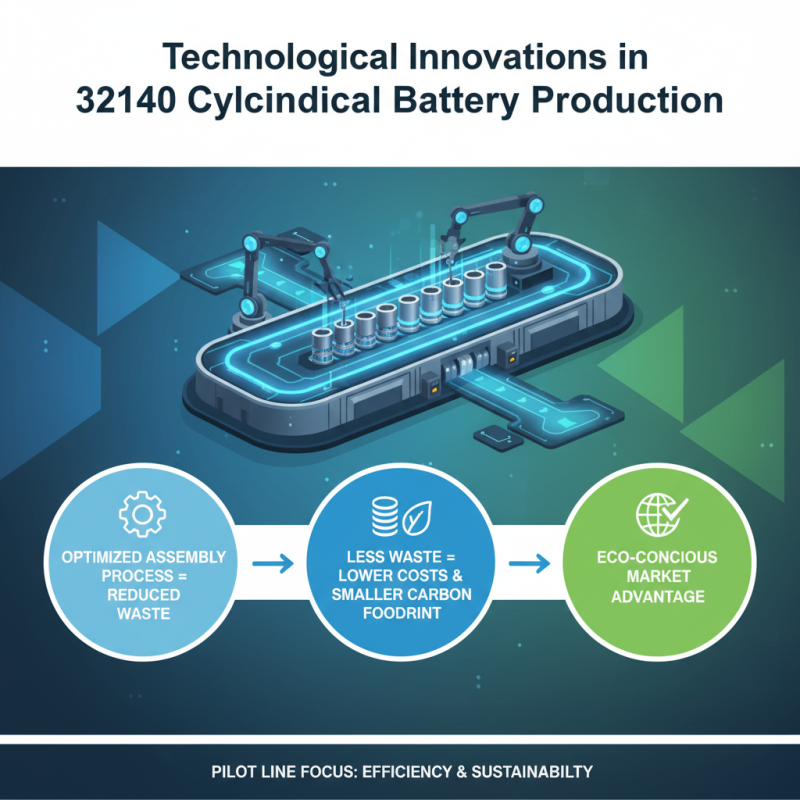
The 32140 cylindrical battery pilot line is a significant development in battery manufacturing. This pilot line aims to advance the production processes for energy storage solutions. It serves as a testing ground for new technologies and methodologies. Its establishment highlights the industry's shift towards more efficient and sustainable practices.
As the demand for batteries grows, this pilot line influences trends in manufacturing. It provides real-time data, which helps refine production techniques. Manufacturers can now adopt innovative processes that enhance battery performance. The pilot line also encourages collaboration between different stakeholders. Together, they can explore advancements that respond to market needs.
Tips: Consider investing in energy-efficient technologies to stay ahead of industry trends. Focus on reducing waste in the production process. Continuously analyze data from pilot projects for improvement opportunities. Adopting such strategies can foster a culture of innovation.
The pilot line's impact extends beyond immediate manufacturing benefits. It prompts manufacturers to rethink traditional practices. Some may still rely on outdated methods, risking inefficiency. A commitment to update and adapt is essential for future success. Embracing change allows the industry to meet growing demands effectively.
Future Prospects and Research Directions for 32140 Battery Technology
The 32140 cylindrical battery pilot line represents an important development in battery technology. As research advances, several prospects for its future emerge. One major potential area is enhancing energy density. Higher energy density means batteries can store more power in a smaller size. This innovation could revolutionize electric vehicles and portable electronics.
Tips: Focus on improving energy efficiency. Small changes can lead to significant gains. Researchers should explore different materials and designs. Each option has unique benefits and challenges.
Another key direction is sustainability. Researchers are looking into eco-friendly alternatives. The demand for greener solutions is rising. Investing in sustainable practices could lead to better manufacturing processes. It’s crucial to address the environmental impact of battery production.
Challenges remain, though. Scaling up production while keeping costs low is difficult. There are also safety concerns with new materials. Continuous testing and refinement are essential. Every attempt will refine the technology further and may lead to unexpected discoveries.

 Cylindrical Cell Machine Line
  18650 Battery Pilot Line
  Pouch Cell Lab. Line
  Prismatic Cell Machine Line
  Spare Part


 Phone
Phone Send Email
 whatsapp
 Facebook
 Youtube