Leave Your Message

2026 Top Battery Sleeve Labeling Types for Global Buyers

Battery Sleeve Labing is becoming a practical priority as battery production expands across electric vehicles, storage systems, and consumer electronics. The International Energy Agency reported that global electric car sales exceeded 17 million units in 2024. It also estimated electric-vehicle battery demand above 1 terawatt-hour. Every cell and pack now needs clearer identification, stronger traceability, and more durable surface protection.

This growth changes the label conversation. Buyers must compare PVC, PETG, OPS, paper-based sleeves, and pressure-sensitive labels. Each option behaves differently under heat, abrasion, moisture, recycling, and automated application. A sleeve that looks excellent in a sample room may wrinkle inside a hot warehouse. That detail matters.

Battery-packaging specialist Christina Lampe-Onnerud has repeatedly emphasized a practical principle: “Safety must be designed into every layer of the battery system.” That principle also applies to labeling. Print contrast, barcode stability, adhesive performance, and tamper visibility can support safer handling. They cannot replace certified battery controls.

Smithers’ packaging forecasts also point toward stronger demand for recyclable materials and lower-impact packaging formats. However, sustainability claims still require careful verification. Some “green” sleeves perform poorly during thermal cycling. That is an uncomfortable gap.

This 2026 guide compares major Battery Sleeve Labing types for global buyers. It considers material structure, application speed, temperature resistance, printing quality, and end-of-life concerns. Regional conditions matter, too. A label designed for dry European storage may fail in tropical logistics. No single sleeve wins everywhere. Buyers should test real cells, real machinery, and real transport conditions before approving a global specification.

2026 Top Battery Sleeve Labeling Types for Global Buyers

What Battery Sleeve Labels Are and Why Global Buyers Use Them

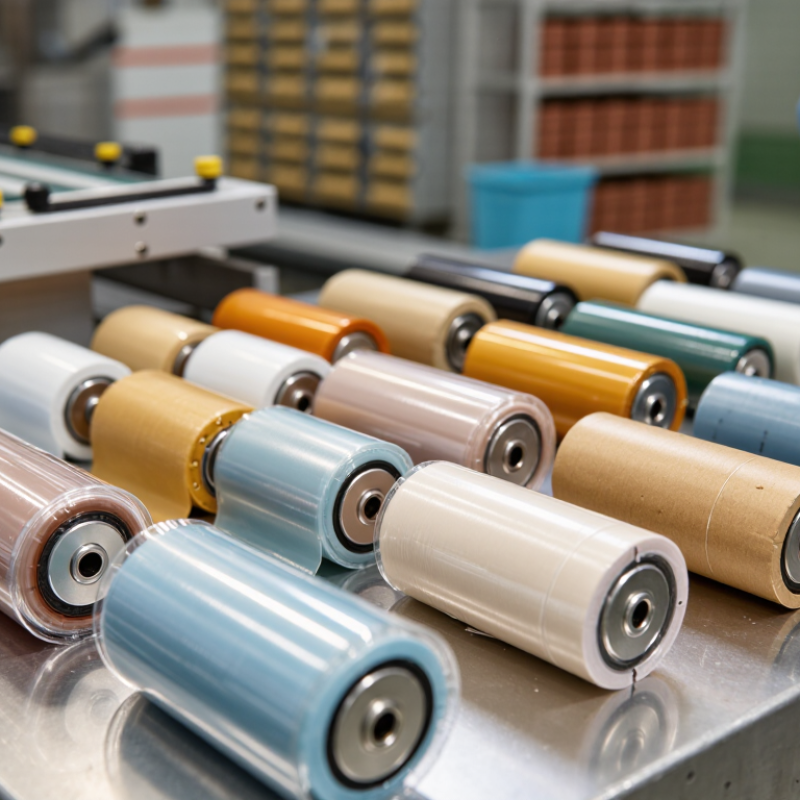
Battery sleeve labels are printed polymer coverings fitted around individual cells or battery packs. They combine identification with physical protection.

Common types include full-body heat-shrink sleeves, partial sleeves, wraparound labels, and clear protective sleeves. Materials such as PVC, PETG, and polyolefin offer different shrink ratios, insulation levels, and resistance to abrasion or moisture.

Global buyers use these labels to show chemistry, voltage, capacity, polarity, batch codes, and handling information on limited surfaces.

A sleeve can cover curved cells more neatly than a flat sticker. It also helps prevent scuffing during transport and assembly.

In production, readable lot codes support traceability when a shipment includes thousands of units.

Small details matter.

From practical sourcing experience, buyers should test fit before approving large orders. Check the sleeve’s shrink behavior, print durability, dielectric performance, and resistance to thermal cycling.

A label may look excellent on a sample yet wrinkle near terminals during mass production. That mistake is expensive.

Clear artwork is not enough. Teams should compare drawings with actual cell dimensions and confirm regional marking requirements with qualified compliance specialists.

Recycling information can also affect material selection. Some suppliers provide stronger sleeves, but strength may reduce flexibility or increase processing temperature.

The best choice depends on the battery shape, equipment, storage conditions, and inspection process.

How Battery Sleeve Labels Are Classified by Material and Structure

2026 Top Battery Sleeve Labeling Types for Global Buyers

How Battery Sleeve Labels Are Classified by Material and Structure

Battery sleeve labels are commonly classified by material, shrink behavior, and layer structure. The material affects durability, print quality, and recycling considerations. PVC sleeves offer strong flexibility and clear graphics. However, some buyers now prefer PETG or OPS for specific environmental targets. Selection should follow local requirements and application conditions.

Structure matters as much as material. Full-body shrink sleeves cover the battery surface and provide stable, high-visibility graphics. Partial sleeves use less material and may improve heat release around selected areas. Adhesive labels suit rigid battery housings with flat surfaces. Multilayer constructions can combine a printable face, protective coating, and functional adhesive layer.

Details matter here.

For cylindrical batteries, accurate shrinking prevents wrinkles near the terminals. For flat packs, label tension and edge lift deserve closer inspection. A small vent or clearance area may support safer assembly, but it must be designed by qualified engineers. In my experience, buyers often focus on color and price first. That approach can miss humidity, abrasion, and storage-temperature risks. I have also found that “universal” specifications rarely fit every production line. Testing should include winding, dropping, moisture exposure, and repeated handling. Results may reveal uncomfortable compromises. A beautiful label can still fail during installation.

Which Printing and Finishing Methods Define Each Labeling Type

2026 Top Battery Sleeve Labeling Types for Global Buyers

Battery sleeve labels are moving beyond simple decoration. Shrink-sleeve labels use heat to conform tightly around cylindrical cells and battery packs. They support 360-degree graphics, tamper evidence, and strong color coverage. Digital printing suits short runs and variable warnings. Flexographic printing remains efficient for large volumes, especially when artwork changes rarely.

Pressure-sensitive labels use adhesive backing and work well on flat battery housings. They can combine matte coatings, gloss highlights, and durable overlamination. Wrap-around labels offer another practical option for cylindrical formats. According to Smithers’ 2024 research on digital label printing, digital production continues expanding because converters need shorter runs and faster artwork changes. The report also highlights personalization and reduced setup waste as major growth factors. That advantage is useful for regional battery versions.

Tips: Request rub, heat, oil, and electrolyte-resistance testing before approval. Ask for measured shrinkage, not only supplier claims. Metallic ink can improve visibility, but it may complicate recycling checks. I have seen attractive samples fail after abrasion testing. That mistake is avoidable. FINAT’s European label market data also shows pressure on converters to reduce material waste and improve production efficiency. Therefore, buyers should compare total yield, not only label price. A cheaper sleeve may create more trimming waste, registration errors, or rejected packs. For global sourcing, specify print tolerance, barcode contrast, adhesive performance, and finishing requirements in one technical sheet.

How to Match Sleeve Labels with Battery Design and Use Conditions

2026 Top Battery Sleeve Labeling Types for Global Buyers

How to Match Sleeve Labels with Battery Design and Use Conditions

Battery sleeve selection should begin with the battery shape, not the artwork. Cylindrical cells often suit full-body heat-shrink sleeves because they follow curved surfaces tightly. Flat battery packs may need pressure-sensitive wrap labels with controlled adhesive coverage. The wrong format can wrinkle, lift, or hide important markings.

Use conditions matter just as much. For outdoor equipment, choose a laminated sleeve that resists moisture, sunlight, and surface abrasion. Batteries inside handheld tools need flexible materials that tolerate repeated handling and vibration. In warm compartments, confirm shrink temperature and adhesive stability through thermal cycling tests. A label that performs well at room temperature may fail near a motor or charging port.

Check the surface before approving production. Textured plastic, oily residue, and recessed edges can reduce bonding strength. We have seen attractive samples peel after humidity exposure. That result is easy to miss during a short inspection. It deserves another test. Verify barcode readability after rubbing, bending, and controlled heat exposure. Leave clear areas for safety information, capacity data, production codes, and recycling instructions required for the target market. Small text becomes unreadable on narrow sleeves. Sometimes, a simpler layout works better. Use sample batteries, not only digital drawings, when checking fit and handling.

2026 Top Battery Sleeve Labeling Types for Global Buyers – How to Match Sleeve Labels with Battery Design and Use Conditions
Battery Design or Use Condition Recommended Sleeve Labeling Type Common Film Structure Typical Shrink or Application Range Key Performance Characteristics Best-Fit Applications Important Selection Considerations
Small cylindrical rechargeable cells and compact battery packs Heat-shrink full-body sleeve PVC, PETG, or polyolefin shrink film with reverse-printed graphics Approximately 35%–75% total shrink, depending on film grade and orientation Conforms closely to curved surfaces; provides 360-degree graphics and electrical insulation; supports automated sleeving Consumer electronics cells, power-tool packs, portable equipment, and cylindrical battery modules Confirm shrink temperature and recovery force against cell seals, vent areas, weld tabs, and temperature-sensitive components
Large cylindrical cells with relatively regular geometry Low-shrink full-body sleeve Low-shrink PETG, PVC, or polyolefin film Approximately 10%–35% shrink, based on circumference and label design Provides controlled fitting with less dimensional stress; suitable for printed safety and identification information Industrial battery modules, mobility equipment, energy-storage subassemblies, and larger cylindrical cells Use sufficient overlap or controlled seam placement; verify resistance to abrasion during assembly and transport
Prismatic cells and rectangular battery modules Partial shrink sleeve or cut-and-stack sleeve PETG, PVC, or polyolefin film; often combined with a separate top or end label Typically 10%–40% shrink on the sleeve section Works around corners while leaving terminals, pressure-relief features, or cooling interfaces accessible Prismatic lithium-ion cells, battery modules, and rectangular rechargeable packs Do not cover pressure-relief devices, electrical contacts, grounding points, or required inspection areas
Flat pouch cells and soft-pack battery assemblies Pressure-sensitive wraparound label or non-shrink sleeve Polyester or polypropylene face stock with acrylic adhesive; optional protective overlaminate No heat shrink; applied by controlled pressure or automated label dispensing Low application heat; good print quality; can be die-cut to avoid tabs and seal areas Pouch cells, prototype packs, medical devices, portable electronics, and low-volume production Use an adhesive qualified for the pouch film and operating temperature; avoid excessive pressure on sealed edges and tabs
Battery packs with irregular contours, handles, or external wiring Segmented sleeve label or multi-panel wraparound label Flexible polyester, polypropylene, or polyolefin film with permanent adhesive Usually non-shrink; panels are applied separately or as a registered multi-panel construction Adapts to complex shapes; allows separate identification zones for connectors, cables, and service information Portable power stations, robotics packs, mobility batteries, and custom industrial assemblies Define application gaps, panel alignment, bend radius, and label edges to prevent lifting during handling
High-abrasion industrial or outdoor service Heavy-duty shrink sleeve with protective overlaminate Polyester or high-performance polyolefin film with clear polyester or polyurethane overlaminate Approximately 20%–60% shrink, depending on the selected construction Improved resistance to scuffing, moisture, oils, and repeated handling; supports durable variable data Material-handling equipment, outdoor power systems, industrial tools, and rental equipment Test the complete label construction, not only the face film, against expected chemicals, UV exposure, and abrasion cycles
High-temperature operating or storage environments High-temperature polyester sleeve or label construction Polyester film with high-temperature acrylic adhesive or heat-resistant shrink film Non-shrink polyester labels or controlled shrink according to the film specification Better dimensional stability and print retention than many general-purpose films at elevated temperatures Automotive-adjacent battery systems, industrial electronics, charging equipment, and engine-compartment-adjacent assemblies Match the label's continuous-use and short-term exposure ratings to the actual battery surface temperature; validate after thermal cycling
Cold-chain, winter, or sub-zero handling Low-temperature pressure-sensitive label sleeve Conformable polyester or polypropylene with low-temperature acrylic adhesive No heat shrink; applied within the adhesive manufacturer's application-temperature range Maintains adhesion and flexibility better than standard adhesives in cold conditions Warehouse storage, outdoor equipment, logistics containers, and batteries shipped through cold regions Specify minimum application temperature separately from minimum service temperature; allow the adhesive to build bond strength after application
Battery packs exposed to water splash, condensation, or humid storage Water-resistant shrink sleeve or sealed wraparound label Polyester, polyolefin, or polypropylene film with moisture-resistant adhesive and sealed edges where required Typically 20%–60% shrink for shrink constructions Reduces moisture penetration to printed graphics and improves resistance to condensation and splash Outdoor tools, marine-adjacent equipment, warehouse batteries, and portable power products A label alone does not create a battery enclosure seal; assess seams, exposed edges, drainage paths, and the pack's enclosure rating separately
Products requiring frequent scanning and variable identification High-contrast digital or thermal-transfer sleeve label White polyester or polypropylene film with a printable topcoat and optional clear protective layer Non-shrink or low-shrink construction to maintain barcode dimensions Supports barcodes, QR codes, serial numbers, date codes, and traceability data with controlled contrast Manufacturing lines, service inventories, battery rental systems, and regulated logistics workflows Verify barcode grade after application, curvature, abrasion testing, thermal exposure, and any overlamination process
Battery packs requiring tamper evidence or service inspection Perforated shrink sleeve or destructible wraparound label Perforated PETG, PVC, or polyolefin sleeve; alternatively, destructible polyester or paper-based label stock Controlled shrink or non-shrink application depending on the design Shows visible damage after removal or opening; can include serialized inspection zones Warranty-controlled packs, serviceable equipment, rental fleets, and controlled-access battery systems Place perforations or destructible zones away from terminals, vents, welds, and structural stress points
Battery packs requiring printed safety information and regulatory marks Full-wrap sleeve with dedicated compliance information panel White or clear polyester, polypropylene, PVC, PETG, or polyolefin film selected for the service environment Based on pack geometry; commonly non-shrink, low-shrink, or 20%–60% shrink Provides a large printable area for warnings, capacity, voltage, polarity, handling instructions, and traceability Rechargeable packs, replacement batteries, industrial modules, and international distribution Required markings depend on the product, transport mode, jurisdiction, and applicable standards; confirm the current requirements before artwork approval
Transparent or premium appearance where the enclosure must remain visible Clear shrink sleeve or clear wraparound label Clear PETG, PVC, polyolefin, or clear polyester with opaque print areas Approximately 10%–60% shrink, depending on the construction Preserves visibility of the enclosure while providing selected graphics, identification, or tamper evidence Consumer products, visible battery modules, demonstration units, and design-focused equipment Check haze, surface energy, ink opacity, seam visibility, and air entrapment on textured or molded surfaces
Automated high-volume battery production Roll-fed shrink sleeve or automated wraparound label Roll-fed PETG, PVC, polyolefin, polyester, or polypropylene construction with registration marks if required Specified according to machine speed, tunnel temperature, shrink ratio, and pack dimensions Supports consistent placement, high throughput, repeatable registration, and inline variable-data printing Large-scale cell, module, and battery-pack assembly operations Coordinate film stiffness, roll direction, splice limits, core size, web tension, and machine changeover requirements
Low-volume, field-service, or frequent design changes Sheet-fed or on-demand pressure-sensitive label Polyester, polypropylene, or durable paper with permanent or removable adhesive as required No shrink; manually or semi-automatically applied Fast artwork changes, low tooling requirements, and practical short-run production Repair centers, pilot production, replacement packs, and service inventories Control application cleanliness, alignment, minimum label radius, and adhesive compatibility with the battery housing
Recycling, disassembly, or material-separation objectives Removable label or reduced-coverage sleeve design Polyester, polypropylene, paper, or other construction selected with the pack material and recycling process in mind Usually non-shrink or low-shrink Can simplify identification removal and reduce unnecessary material coverage at end of life Serviceable packs, industrial batteries, pilot circularity programs, and controlled disassembly operations Confirm removability after aging, heat, and contamination; recycling compatibility depends on the complete battery and label system

What Global Buyers Should Check for Compliance, Quality, and Supply

For 2026, battery sleeve labeling types will include full heat-shrink sleeves, partial sleeves, pressure-sensitive labels, and direct-printed films. Global buyers should match each type to battery geometry and operating conditions. Full sleeves protect cylindrical cells well, but poor shrinking can wrinkle around terminals. PET-based films usually offer stronger dimensional stability than basic PVC, while adhesive labels simplify small-batch changes. The choice is not always obvious.

Demand is rising sharply. The IEA’s Global EV Outlook 2024 reported nearly 14 million electric car sales in 2023, with electric models reaching about 18% of global new-car sales. That scale increases pressure on traceability. Buyers should request barcode verification data, print-density targets, abrasion tests, and batch-level material records. Labels must remain readable after heat, vibration, moisture, and handling. A barcode that scans only in the factory is a failure.

Compliance checks need practical detail. Confirm that artwork supports applicable transport and battery requirements, including UN 38.3 documentation where relevant, without covering polarity marks, vents, ratings, or safety warnings. Ask suppliers to map their artwork against IEC 62133-2 testing needs and destination-market rules. Audit incoming rolls using ISO 2859-1 sampling, then inspect shrink ratio, adhesive aging, ink adhesion, and color consistency. Supply risk is often underestimated. Require approved samples, dual-source films where possible, and written change-control notices. My own caution: a perfect first sample proves little without production-lot evidence.

2026 Top Battery Sleeve Labeling Types for Global Buyers

The chart compares the main sleeve-labeling formats used for battery packaging against key buyer requirements. The scores are based on practical procurement considerations: regulatory information visibility, resistance to handling conditions, print durability, and suitability for high-volume production.

Compliance reminder: lithium battery shipments may require applicable UN identification, lithium battery marks, Class 9 hazard labels, watt-hour ratings, manufacturer or shipper information, and recycling symbols depending on battery type, package configuration, destination, and transport mode. Buyers should verify current IATA DGR, IMDG Code, ADR, and destination-market requirements.